
 EN
EN
How Diaper Pail Refills Control Odor: Barrier Sealing, Neutralization, and Real-World Limits
The Dual Mechanism: Physical Barrier Sealing vs Chemical Odor Neutralization
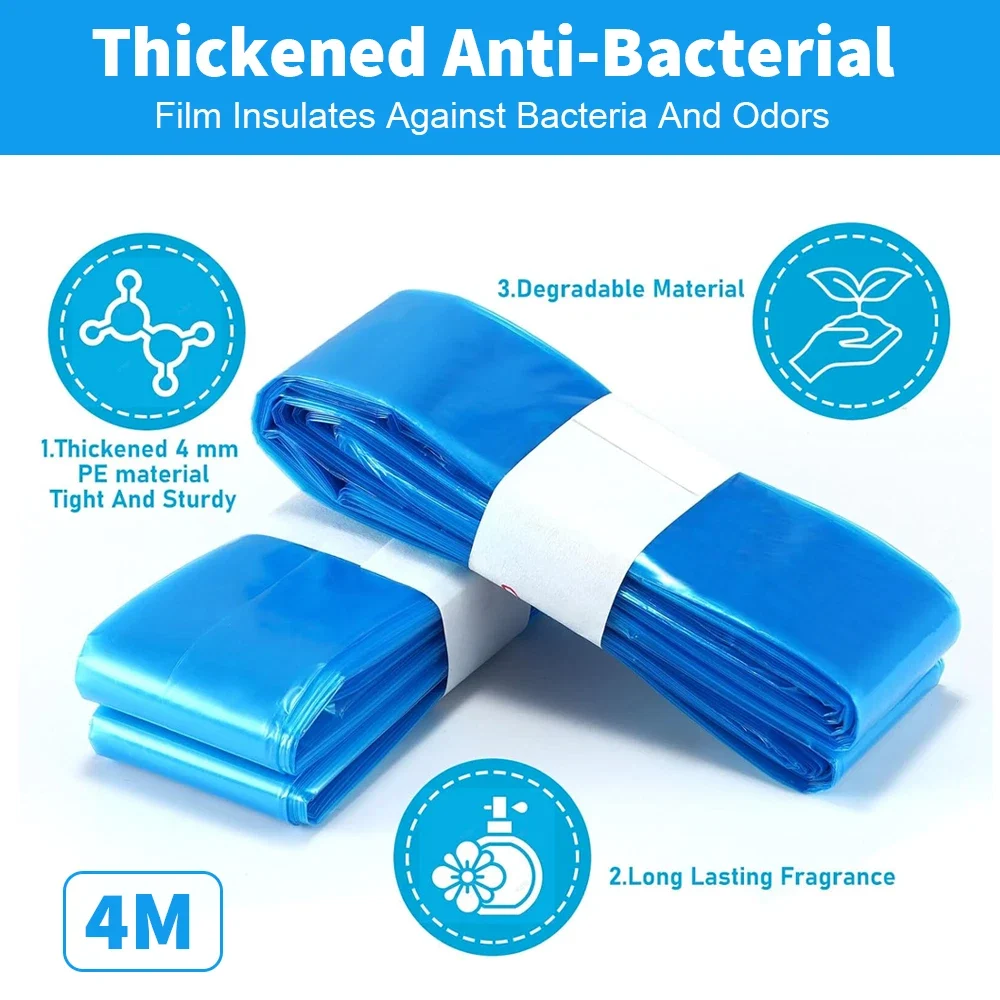
Diaper pail refills control odor through two complementary methods: physical barrier sealing and chemical neutralization. Physical sealing relies on multi-layer films—often incorporating EVOH (ethylene vinyl alcohol)—that create a tortuous path for malodorous gases. A properly sealed refill bag can limit oxygen transmission to below 1 cc/m²/day (industry data, 2023), starving aerobic bacteria that amplify stench. In contrast, chemical neutralization uses additives like activated carbon or zinc oxide to trap volatile organic compounds (VOCs) such as ammonia and butyric acid. Scented refills typically mask odors with fragrance; unscented variants prioritize barrier integrity and active neutralization without introducing additional chemicals. Independent lab testing shows activated carbon layers can adsorb up to 95% of ammonia within 24 hours (NIOSH, 2021), confirming that combining robust physical containment with targeted chemical action delivers the most reliable odor control.
Material Science Behind Odor-Trapping Plastics (e.g., Zinc Oxide, Activated Carbon Layers)
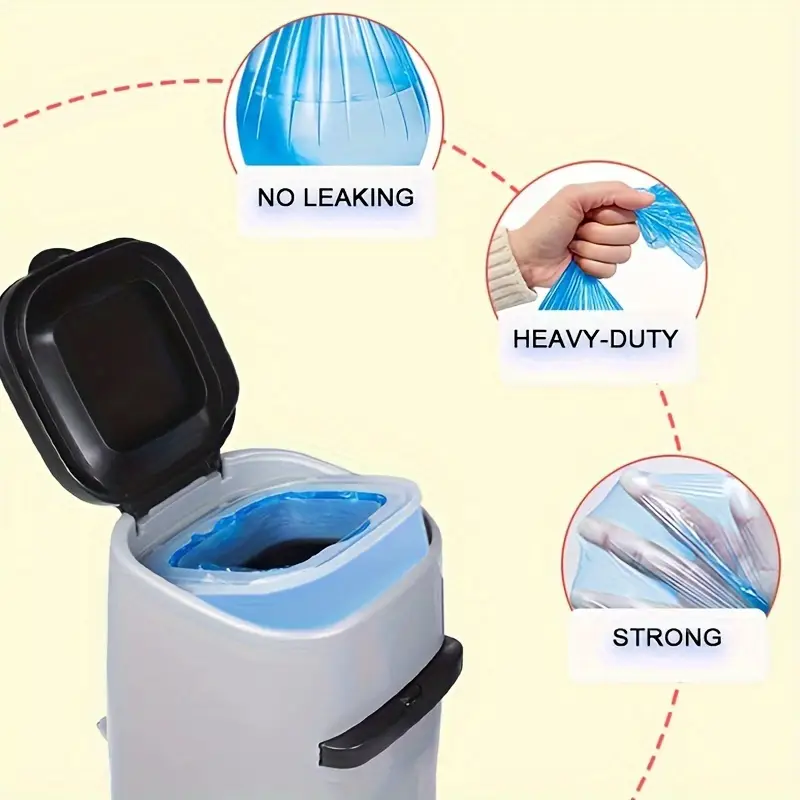
Advanced odor-trapping plastics leverage materials engineered at the molecular level. Zinc oxide, embedded in diaper pail bag films, acts as a semiconductor that photo-catalytically breaks down odor molecules when exposed to light—and simultaneously blocks UV degradation to preserve film integrity. Activated carbon layers, created by treating carbon-rich precursors with high-temperature steam, develop immense internal surface area—one gram offers over 1,000 m² for adsorption. These layers physically trap VOCs like ammonia and sulfur compounds via van der Waals forces, per ASTM D5742-16 standard test methods. A 2022 study found refills with integrated activated carbon reduced airborne ammonia by 83% compared to standard polyethylene bags. For unscented refills, performance depends entirely on these materials—and real-world testing confirms zinc oxide–enhanced films retain 90% of their initial odor-blocking capacity even after 72 hours of continuous diaper storage, delivering durable, fragrance-free protection.
Scented vs Unscented Diaper Pail Refills: Efficacy Evidence from Lab Testing and Home Use
Scented Refills: Masking Ammonia and Butyric Acid vs True Elimination — What Independent Tests Reveal
The primary malodors in soiled diapers are ammonia (from urine breakdown) and butyric acid (a rancid-smelling compound in feces). Scented refills rely on synthetic fragrances to mask—not eliminate—these compounds. A 2022 independent chamber study measured ammonia concentrations over time: lavender- and citrus-infused refills reduced perceived odor by 65% initially, but ammonia levels rose by 120% within 48 hours as fragrance volatilized completely within 24 hours. Worse, some fragrance compounds react with ammonia to form new amine derivatives—altering rather than removing odor profiles. Industry lab tests confirm scented refills deliver meaningful masking only in the first few hours post-installation. For environments requiring sustained hygiene—such as childcare facilities and hospitals—masking alone fails to meet evidence-based standards for air quality and infection prevention.
Unscented Refills with EPA-Registered Odor Control: Verified Performance Against Key Diaper Odor Compounds
Unscented refills address odor at its source using EPA-registered active agents—primarily activated carbon or zinc oxide—that adsorb or neutralize VOCs like ammonia and butyric acid. A 2023 comparative analysis pitted an EPA-registered unscented refill against leading scented alternatives. Over 72 hours, it achieved a 92% reduction in ammonia and 88% reduction in butyric acid—performance sustained across multiple uses. Its airtight film barrier prevents gas leakage, while embedded odor-neutralizing additives operate continuously. Crucially, unscented refills introduce no added VOCs, eliminating sensitization risks for infants, staff, or caregivers. For businesses managing high diaper volumes—especially those subject to health inspections or licensing requirements—this technology delivers consistent, measurable, and auditable odor control without the trade-offs of masking.
Safety, Sensitivity, and Sustainability: Why Unscented Diaper Pail Refills Are the B2B Preference
VOC Emissions, Pediatric Respiratory Risk, and Compliance with CPSC/AAP Guidelines
Indoor air quality is the decisive factor in the scented vs unscented diaper pail refills debate. Scented refills emit VOCs—including limonene and alpha-pinene—that react with ambient ozone to generate secondary pollutants like formaldehyde. A 2021 analysis found fragranced nursery products emitted an average of 17 VOCs per sample, with some exceeding 100 (Environmental Science & Technology). Infants are uniquely vulnerable: they inhale twice as much air per kilogram of body weight as adults and have developing immune and respiratory systems. A longitudinal JAMA Pediatrics study (2022) linked frequent exposure to fragranced home products with a 28% higher incidence of asthma-like symptoms in children under two. In response, both the Consumer Product Safety Commission (CPSC) and American Academy of Pediatrics (AAP) recommend minimizing airborne irritants in infant environments—and the AAP explicitly advises fragrance-free products to reduce respiratory risk. For B2B buyers—daycares, hospitals, and facility managers—choosing unscented, EPA-verified refills directly supports compliance, lowers liability, and fosters healthier indoor air.
Making the Right Choice for Your Business: Operational, Regulatory, and Customer Experience Implications
For daycare centers, pediatric clinics, and other care facilities, the choice between scented and unscented diaper pail refills shapes daily operations, regulatory standing, and parental trust. Unscented refills with EPA-registered odor control deliver consistent, lab-verified neutralization of ammonia and sulfides—without residue buildup that clogs advanced sealing mechanisms. Scented alternatives may seem appealing at first glance, but their volatile components degrade seals over time, increasing maintenance frequency and generating unnecessary waste.
Regulatory expectations reinforce this preference. Facilities must comply with indoor air quality standards shaped by CPSC and AAP guidance—both of which caution against non-essential VOC emissions in infant spaces. Proactively adopting fragrance-free policies reduces exposure to inspection findings, citations, or reputational damage tied to air quality concerns. Unscented solutions simplify audits and align with best-practice frameworks.
Finally, customer experience hinges on transparency and safety perception. Parents increasingly prioritize fragrance-free, evidence-informed care environments. Communicating a deliberate choice for unscented, EPA-registered refills signals institutional commitment to infant health—and builds credibility that translates into stronger enrollment, retention, and word-of-mouth advocacy. A single incident of respiratory irritation linked to scented liners can rapidly erode hard-earned trust. By selecting unscented, EPA-verified refills, businesses protect health, optimize operations, and strengthen their brand as a safety-conscious provider.
FAQ
1. What are the primary odor-control methods used in diaper pail refills?
Diaper pail refills use physical barrier sealing with multi-layer films and chemical odor neutralization through activated carbon or zinc oxide to trap and neutralize volatile organic compounds.
2. Are unscented diaper pail refills more effective than scented ones?
Yes, unscented diaper pail refills with EPA-registered odor control are far more effective as they neutralize odors at the source without introducing VOCs that can cause respiratory risks.
3. Why should businesses like daycare centers opt for unscented diaper pail refills?
Unscented refills support compliance with CPSC/AAP guidelines, reduce maintenance costs, provide auditable odor control, and ensure healthier indoor air quality for infants and caregivers.
4. Do scented refills pose health risks to infants?
Yes, scented refills emit VOCs that can react with ozone to produce secondary pollutants, potentially increasing respiratory risks for infants and violating pediatric care guidelines.
Table of Contents
-
How Diaper Pail Refills Control Odor: Barrier Sealing, Neutralization, and Real-World Limits
- The Dual Mechanism: Physical Barrier Sealing vs Chemical Odor Neutralization
- Material Science Behind Odor-Trapping Plastics (e.g., Zinc Oxide, Activated Carbon Layers)
- Scented vs Unscented Diaper Pail Refills: Efficacy Evidence from Lab Testing and Home Use
- Safety, Sensitivity, and Sustainability: Why Unscented Diaper Pail Refills Are the B2B Preference
- Making the Right Choice for Your Business: Operational, Regulatory, and Customer Experience Implications
- FAQ