
 EN
EN
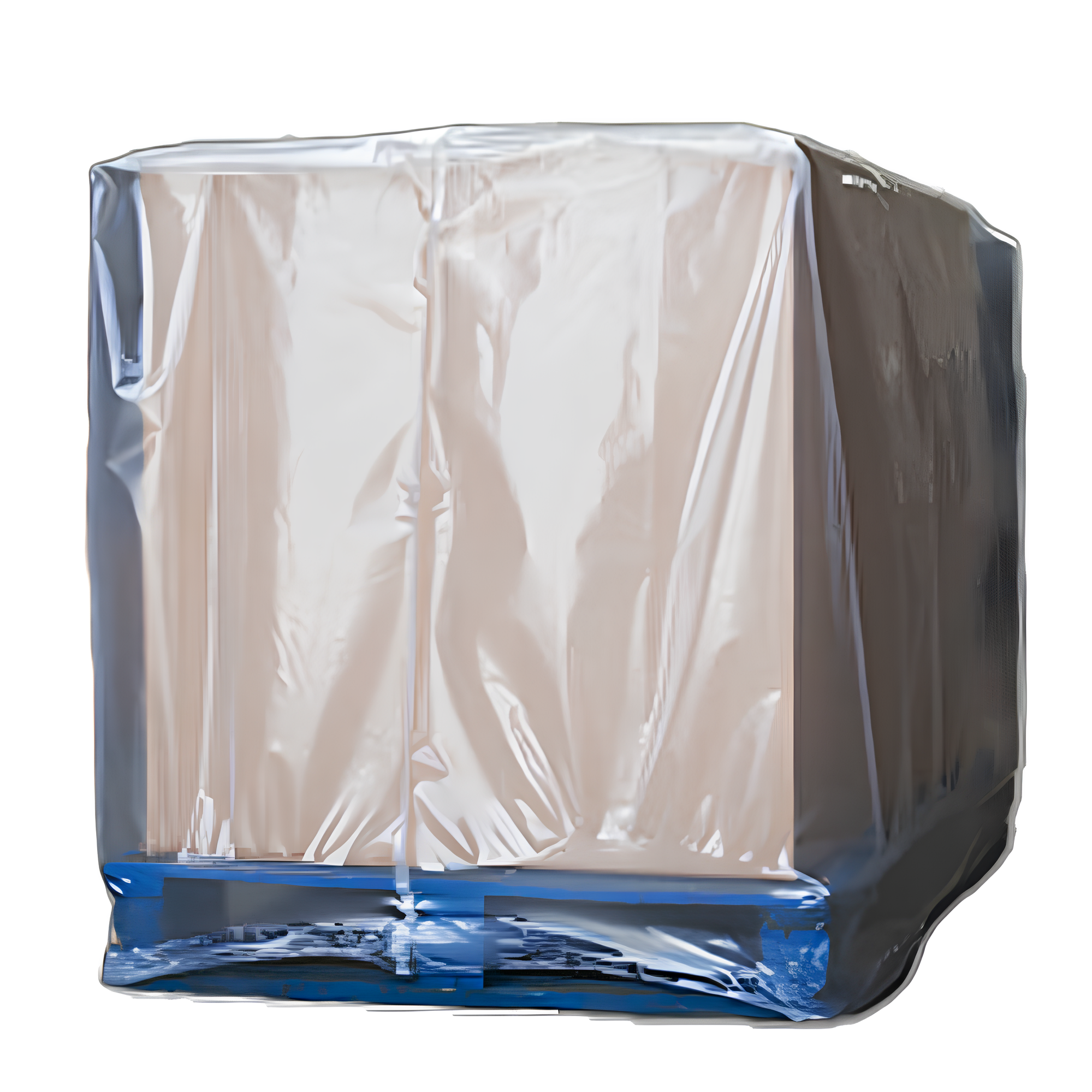
Core Technical Distinction: What ‘Waterproof’ and ‘Water-Resistant’ Really Mean
Hydrostatic Head Ratings vs DWR Coatings: Measuring True Barrier Performance
The hydrostatic head (HH) test—measuring water column height in millimeters a fabric withstands before leaking—is the definitive metric for distinguishing waterproof from water-resistant pallet covers. Waterproof covers achieve HH ratings of 10,000 mm or higher, enabling reliable protection against heavy rain, prolonged exposure, and even pooling water. Water-resistant covers, by contrast, typically register only 800–1,500 mm and rely primarily on durable water repellent (DWR) treatments that cause water to bead and roll off. While effective against light mist or brief showers, DWR degrades with abrasion, UV exposure, and repeated handling—offering no meaningful barrier under sustained moisture stress. Crucially, true waterproofing requires both high HH performance and fully sealed seams; DWR alone cannot deliver this level of protection. Industry standards like ASTM D751 quantify HH performance, and reputable manufacturers certify their covers accordingly.
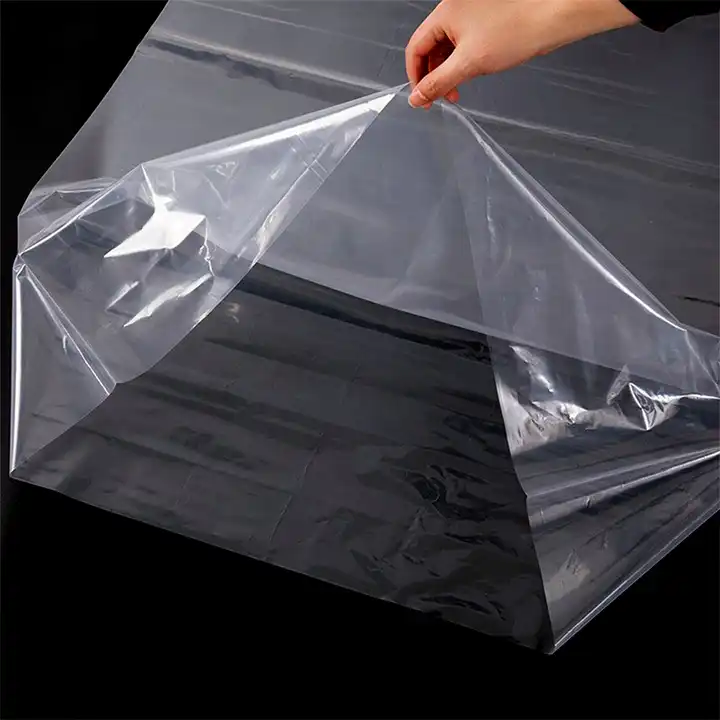
Material Construction Fundamentals: Why Lamination, Coating, and Fabric Base Dictate Outcome
Material construction—not just surface treatment—determines whether a cover is truly waterproof. A woven or non-woven base provides tensile strength, but the barrier layer defines moisture resistance. Extrusion-laminated polyethylene (PE) film bonded to fabric creates a continuous, submersion-grade shield—the gold standard for outdoor durability. Polyurethane (PU) coatings offer temporary repellency but are prone to cracking under flexing or UV exposure. Water-resistant options often use lightweight spunbond polypropylene with DWR, which rapidly loses efficacy after handling. For environments requiring long-term protection, laminated PE with sealed seams remains the benchmark. Breathable waterproof alternatives—such as expanded polytetrafluoroethylene (ePTFE) laminates—add critical vapor transmission capability, preventing internal condensation while blocking external water. The fabrication method directly governs longevity, breathability, and real-world reliability.
Real-World Performance Under Environmental Stress
Rain & Humidity Exposure: Test Data from 24-Hour Simulated Downpour and Condensation Challenges
Lab tests can misrepresent field performance—so real-world validation matters. In a 2023 controlled 24-hour downpour simulation (50 mm/hour), waterproof covers with sealed seams and HH ≥10,000 mm maintained near-zero moisture ingress. Water-resistant covers relying solely on DWR showed interior relative humidity rise by 12% within eight hours, with visible condensation forming by hour 16. Temperature-humidity cycling (30°C/80% RH → 10°C) further exposed vulnerabilities: water-resistant fabrics allowed trapped moisture to condense directly onto cargo, increasing mold risk. Waterproof covers with breathable backings—especially ePTFE laminates—prevented this by allowing vapor to escape while retaining liquid barrier integrity. For facilities facing sustained rainfall or high-humidity fluctuations, only fully waterproof, breathable solutions ensure consistent cargo protection.
UV Degradation Impact on Water Protection: Polyethylene, Laminated PE, and PU-Coated Fabrics Compared
UV exposure significantly erodes water protection over time. Accelerated testing (ASTM G154, 500 hours UV-A) reveals key differences:
| Material Type | UV Degradation Resistance | Water Protection Retention After Exposure |
|---|---|---|
| Polyethylene (PE) | Low | ~60 % (surface cracking, pinholes) |
| Laminated PE | Medium | ~85 % (outer layer sacrificial) |
| PU-Coated Fabric | High | ≥90 % (coating shields fibers) |
Unlaminated PE suffers rapid deterioration—micro-cracks form, compromising barrier function. Laminated PE improves resilience via UV-stabilized film layers, though edge abrasion can expose vulnerable inner material. PU-coated polyester or nylon offers superior long-term stability: the coating protects underlying fibers and maintains flexibility. In outdoor storage, UV resistance isn’t optional—it’s essential to preserving waterproof performance across seasons.
Application-Driven Selection: Matching Cover Type to Storage Environment
Indoor Logistics: Managing Condensation, Forklift-Induced Moisture, and Short-Term Covering Needs
Indoor environments rarely involve direct precipitation—but face condensation from HVAC cycling, forklift splash-back, and transient moisture during handling. Here, water-resistant covers made from coated woven PE strike an optimal balance: sufficient repellency for incidental splashes, plus breathability to limit internal humidity buildup. Unlike non-breathable waterproof barriers, these covers reduce mildew risk on temperature-sensitive goods without adding cost or weight. For short-term indoor covering—such as staging or intra-facility transport—a water-resistant option delivers practical, cost-effective protection aligned with actual exposure conditions.
Outdoor Long-Term Exposure: When Only Fully Waterproof Covers Prevent Cargo Damage
Pallets stored outdoors for days or weeks demand uncompromising protection. Water-resistant covers fail under prolonged saturation: DWR wears off, microscopic pores open, and unsealed seams become entry points for moisture. Fully waterproof covers—built with laminated PE, heat-sealed or taped seams, and HH ratings above 1,500 mm (ideally ≥10,000 mm)—form an unbroken barrier validated per ASTM D751. They resist standing water, snow melt, and driving rain—guarding against rust, mold, packaging collapse, and product spoilage. For year-round outdoor storage, integrated UV stabilizers are non-negotiable: they prevent cracking that would otherwise breach the waterproof layer. Given the high cost of moisture-damaged inventory, investing in certified waterproof covers is not an upgrade—it’s risk mitigation.
Critical Quality Factors Beyond the Label: Seams, Breathability, and Durability
Seam Integrity Testing (ASTM D751) and Its Direct Impact on Long-Term Waterproofing
Seams are the weakest link in most pallet covers—and the leading cause of field failure. Even high-HH fabric fails if stitching creates micro-channels for water ingress. ASTM D751 evaluates seam integrity by applying hydrostatic pressure until leakage occurs, measuring both burst strength and water resistance. Covers with fully taped, welded, or heat-sealed seams that pass ≥30 psi (207 kPa) reliably block moisture—even under forklift splash or rain-driven pressure. Industry data shows up to 80% of cover failures originate at seams, not fabric. Robust seam construction isn’t an add-on; it’s what transforms a water-resistant sheet into a durable, field-proven waterproof system.
Breathable Waterproof Options: ePTFE and Microporous Laminates for High-Moisture Industrial Environments
Breathability separates high-performance waterproof covers from basic barriers. Expanded polytetrafluoroethylene (ePTFE) membranes contain pores small enough to block liquid water (≤2 µm) yet large enough to allow water vapor passage—quantified by Moisture Vapor Transmission Rate (MVTR), measured in g/m²/24h. Top-tier ePTFE laminates exceed 20,000 g/m²/24h, enabling rapid vapor release while maintaining liquid barrier integrity. In humid warehouses, maritime containers, or coastal distribution centers, non-breathable covers trap internal moisture—accelerating corrosion and biological growth. Microporous laminates deliver this dual functionality: waterproof from the outside, vapor-permeable from the inside. For long-term storage where both external weather and internal humidity pose risks, breathable waterproof technology is the only solution that addresses moisture from both directions.
FAQ
What is the difference between waterproof and water-resistant materials?
Waterproof materials provide a complete barrier against water with high hydrostatic head (HH) ratings and sealed seams, while water-resistant materials rely on DWR coatings that repel water but degrade with time and handling.
What tests measure the waterproofing quality of covers?
Hydrostatic head (HH) tests, such as those standardized by ASTM D751, measure water resistance. Additionally, seam integrity tests evaluate the durability and leak prevention of covers under pressure.
What materials are best for long-term waterproofing?
Extrusion-laminated PE with sealed seams is the gold standard for waterproofing. Breathable alternatives like ePTFE laminates combine water resistance with vapor permeability for added humidity control.
How does UV exposure affect waterproof materials?
UV exposure can degrade waterproof materials over time. Laminated PE and PU-coated fabrics provide superior UV resistance compared to unlaminated PE.
Why is breathability important for waterproof covers?
Breathable covers prevent internal condensation by allowing water vapor to escape while blocking external liquid, ensuring optimal cargo protection in high-humidity environments.