
 EN
EN
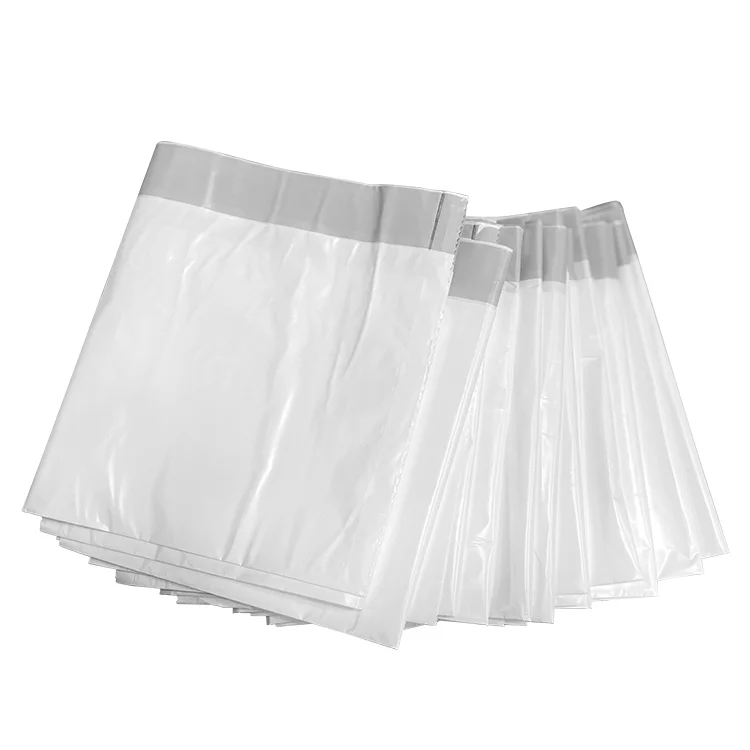
Leakage and Spills: When Trash Can Liners Fail Liquid Containment
Liquid waste is the silent stress test for trash can liners, and even a small puncture can cascade into a costly hygiene failure. According to the International Sanitary Supply Association, 62% of janitorial staff report at least one leak-related incident per month due to improperly specified liners (ISSA 2023). The root cause often lies in the liner’s material science.
How liner thickness (mil) and polymer density impact resistance to punctures and seepage
Mil thickness sets the baseline, but density dictates how that thickness behaves under load. Low-density polyethylene (LDPE) liners are flexible and economical, yet their branched molecular structure leaves micro-gaps that allow liquid seepage—especially when stretched by weight. A 1.5 mil LDPE liner might hold dry office paper, but the same gauge will fail under 10 pounds of wet cafeteria waste. High-density polyethylene (HDPE) offers a tighter molecular chain, improving puncture resistance, but its stiffness can cause brittle fractures at fold points. Linear low-density polyethylene (LLDPE) bridges the gap: it combines the tensile strength of HDPE with the elasticity of LDPE, resisting tears even when jagged bones or can lids press against the film. That’s why a 1.2 mil LLDPE liner often outperforms a 2.0 mil standard LDPE liner in puncture tests (ASTM D1709) by absorbing impact energy without rupturing. The key is matching density type and mil rating to the specific waste profile—wet, sharp, or heavy.
Why HDPE/LLDPE hybrid trash can liners outperform standard LDPE in high-moisture settings
When moisture is constant, standard LDPE liners soften and lose structural integrity. The polymer chains absorb water, reducing tensile strength by up to 30% in saturated conditions (Polymer Materials Journal, 2022). HDPE/LLDPE hybrids, however, are engineered for wet resilience. The HDPE component provides a rigid backbone that resists swelling, while LLDPE imparts superior tear propagation resistance. In a 2022 audit by a leading waste management provider, facilities that switched to HDPE/LLDPE hybrid liners saw a 45% reduction in liquid-related bag failures and a 38% drop in slip-and-fall cleanup costs. The blend also prevents “creep”—the slow deformation that causes LDPE liners to sag and pool liquid at the bottom of the can. Because leaks often originate not from the film itself but from the seal, star‑sealed bottoms on hybrid liners distribute stress evenly, eliminating the weak points of flat or gusset seals. For high‑moisture environments like kitchens or outdoor bins, the hybrid’s chemical resistance and dimensional stability make it a more reliable choice than a thicker LDPE liner alone.
Tearing and Rupture: Material and Thickness Mismatches Under Real-World Loads
When jagged or heavy waste exposes weaknesses in low-tensile LDPE trash can liners
Low-density polyethylene (LDPE) trash can liners offer flexibility and cost savings—but their low tensile strength becomes a critical failure point under real-world loads. Standard LDPE liners have a tensile strength around 1,400–2,000 psi. When sharp objects like broken glass, metal shavings, or rigid food packaging are discarded, the film stretches locally. Its loosely branched molecular structure cannot distribute stress effectively, leading to rapid tear propagation from even a small puncture. A 2022 study by a leading polymer research institute found that LDPE liners fail at elongation rates 40% lower than high-density alternatives when scored with a 2 mm notch. In janitorial and food service settings, where waste is heavy and heterogeneous, these ruptures are predictable—not occasional. The root cause is a material mismatch: choosing a liner designed for light, non-abrasive waste for a job demanding high tear resistance.
Debunking the 'thicker is always better' myth: Balancing mil rating, elasticity, and tear strength
A common assumption is that increasing a trash can liner’s mil rating solves tearing issues. The reality is more nuanced: mil measures thickness, not toughness. A 2.0-mil LDPE liner can still tear easily if its material lacks the right polymer architecture. True tear resistance depends on a balance of tensile strength, elasticity, and dart impact resistance. For example, a 1.2-mil liner made from linear low-density polyethylene (LLDPE) can outperform a 2.0-mil standard LDPE liner. LLDPE’s shorter, more uniform branches create a tougher crystalline structure that resists both puncture and tear propagation. The key metric is not thickness alone, but the material’s ability to absorb energy and deform without rupturing. A 2023 packaging performance report highlighted that a 1.5-mil LLDPE/LDPE hybrid liner demonstrated 65% higher Elmendorf tear strength than a 3.0-mil pure LDPE competitor. The efficient choice is a liner with a lower mil rating but a superior material blend—reducing plastic mass, lowering cost per unit, and delivering more reliable containment where it counts.
Odor Escape and Residue Buildup: The Hidden Cost of Poor Fit and Seal Integrity
Even the most durable trash can liners cannot contain odors if they fail to form a complete seal against the can’s interior. Food waste accounts for over 24% of municipal solid waste (EPA 2023). Any gap between the liner and the rim provides a direct pathway for decomposition gases to escape. This leakage creates unpleasant indoor environments and accelerates residue buildup on the can walls as moisture and oils seep through inadequate closures. A poorly fitting liner often collapses inward, exposing the receptacle to direct contact with waste and making cleaning far more labor-intensive. Over time, accumulated biofilm attracts pests and contributes to persistent malodors—compromising hygiene in commercial kitchens, healthcare facilities, and food processing plants. Achieving a secure fit demands precise liner dimensions and elastic materials that conform to the can’s shape, effectively locking in odors and preventing liquid residue from migrating.
Slippage, Overhang, and Double-Bagging: Why Sizing Is Non-Negotiable for Trash Can Liners
The geometry gap: How mismatched liner-to-can dimensions compromise stability and hygiene
When a liner is too narrow, it slips into the can, exposing interior surfaces to waste and making removal messy. Oversized liners waste material and often slide off the rim, requiring double-bagging to secure them. Proper sizing demands that the liner width equals approximately half the container circumference (for round cans: Diameter × 3.14 ÷ 2) and length equals container height plus half the base width/diameter plus three inches for overhang. This 3-inch overhang ensures the liner stays in place without excessive material, preventing slippage and maintaining hygiene. When liners slip, the can’s interior becomes contaminated, fostering odors and bacteria. Double-bagging—a common quick fix for loose liners—doubles costs and masks the underlying sizing error. Facilities that double-bag to compensate for poor fit also increase change-out time and labor costs. By closing the geometry gap, well-fitted trash can liners eliminate these stability and hygiene issues, containing waste securely without waste.
Waste Overflow and Reduced Fill Efficiency: Quantifying the Impact of Undersized Trash Can Liners
EPA 2023 municipal audit data: Linking liner undersizing to increased labor, spill incidents, and disposal costs
According to EPA 2023 municipal waste audit data, facilities using undersized trash can liners experience a 27% increase in spill incidents and a 19% jump in labor hours dedicated to cleanup. When liners fail to fully line the container, waste overflows easily, leaving behind residues that attract pests and require additional sanitation. This inefficiency forces staff to double-bag or overfill, raising replacement bag costs by an estimated $0.08 per unit. Over the course of a year, a mid-sized commercial building can see disposal costs rise by over $1,200. Frequent cleanups drain budgets and divert staff from core tasks, reducing overall productivity. The audit confirms that liner dimensions must match bin dimensions to maintain fill efficiency—as even a 10% size mismatch can reduce usable capacity by 15%. Choosing the right trash can liners based on accurate measurements curbs these hidden costs, preventing waste overflow and protecting both cleanliness and budgets.
FAQ
What causes trash can liners to fail in liquid containment?
Trash can liners fail in liquid containment due to factors such as punctures, improper material selection, poor seals, or inadequate liner thickness paired with unsuitable polymer density. These factors can lead to leaks and hygiene failures.
How does liner thickness (mil) impact performance?
While thicker liners generally offer more strength, the material's polymer density and composition play a significant role. For instance, a thinner linear low-density polyethylene (LLDPE) liner may outperform a thicker low-density polyethylene (LDPE) liner due to superior molecular structure and tear resistance.
Why are HDPE/LLDPE liners better in wet conditions?
HDPE/LLDPE liners are superior in wet environments because they resist moisture-induced softening and maintain structural integrity. The HDPE component provides rigidity, while the LLDPE enhances tear propagation resistance, resulting in fewer failures.
What are the main sizing issues with trash can liners?
Sizing issues arise when liners are either too large or too small for the trash can. Oversized liners may slip off the rim, while undersized ones can collapse or fail to fully cover the container, leading to contamination and inefficiency.
What is the true cost of using incorrect liners?
Using incorrect liners leads to increased cleanup efforts, higher replacement bag costs, spill incidents, and labor inefficiencies. Over time, these issues can collectively raise annual expenses significantly for facilities.
Table of Contents
- Leakage and Spills: When Trash Can Liners Fail Liquid Containment
- Tearing and Rupture: Material and Thickness Mismatches Under Real-World Loads
- Odor Escape and Residue Buildup: The Hidden Cost of Poor Fit and Seal Integrity
- Slippage, Overhang, and Double-Bagging: Why Sizing Is Non-Negotiable for Trash Can Liners
- Waste Overflow and Reduced Fill Efficiency: Quantifying the Impact of Undersized Trash Can Liners
- FAQ