
 EN
EN
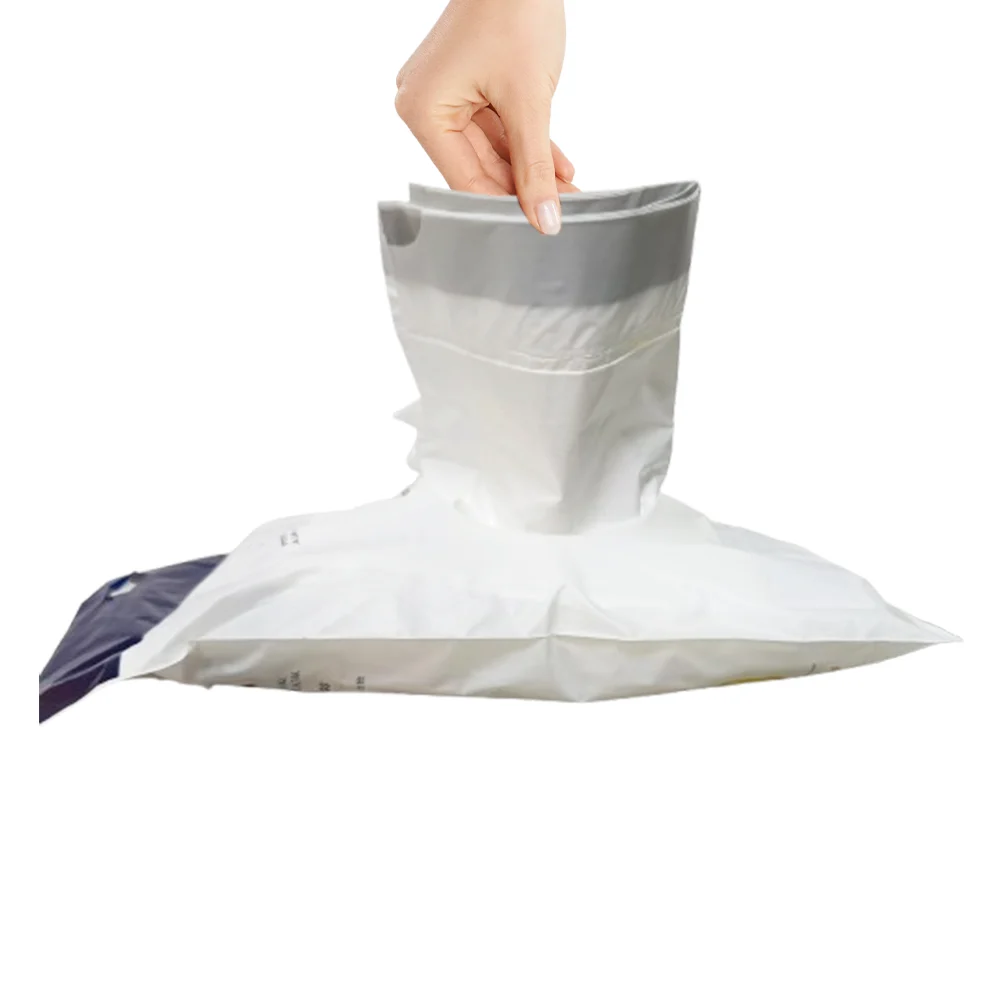
Immediate Odor Neutralization for Used Trash Bags
Deodorizing protocol before disposal: sealing, freezing, and surface treatment
Used trash bags often carry persistent odors from decomposing organic matter. A quick three-step protocol neutralizes these smells before the bag leaves your home. First, seal the bag tightly—using a knot or sturdy clip—to contain odor molecules during handling. Second, if the bag contains food waste, place it in the freezer for 30–60 minutes. Low temperatures halt bacterial activity and solidify liquids, dramatically reducing airborne odorants. Since food waste accounts for 24% of municipal solid waste (U.S. EPA, 2018), this step targets a major source of kitchen odors. Third, wipe the bag’s exterior with a cloth dampened with white vinegar or a 3% hydrogen peroxide solution. These agents break down odor-causing compounds and kill surface bacteria—apply lightly to avoid saturation. This protocol works effectively on standard plastic liners and minimizes odor transfer to your trash can or hands.
Vinegar-baking soda paste application to neutralize residual odors in reusable or liner-embedded bags
Reusable cloth bags or liner-embedded trash bags can retain stubborn odors even after disposal prep. A simple paste of baking soda and vinegar tackles residues at their source. Mix three parts baking soda with one part white vinegar to form a spreadable paste—the fizzing reaction releases carbon dioxide that helps lift odor particles. Apply directly to the interior of reusable bags, focusing on seams and corners where bacteria accumulate; for liner-embedded bags, dab onto stained or odorous spots. Let sit for 15 minutes: baking soda neutralizes acidic and alkaline odor molecules via pH adjustment, while vinegar’s acetic acid kills bacteria thriving on organic residue. Rinse with warm water and air-dry thoroughly. This chemical-free method leaves no synthetic fragrance and extends bag life—use weekly or as needed.
Preventive Strategies to Stop Trash Bag Odors Before They Start
Double-bagging organic waste and using airtight wraps for high-odor items
Organic waste is the primary driver of foul smells due to moisture-driven bacterial breakdown. Double-bagging creates a robust physical barrier: line your main trash bag with a smaller, leak-proof inner bag dedicated solely to kitchen scraps, soiled paper towels, or pet waste. This inner layer traps liquids and volatile compounds, preventing them from soaking through and releasing odors into the outer bag. For exceptionally pungent items—such as fish bones, raw meat trimmings, or used diapers—first wrap tightly in plastic wrap, compostable cling film, or a sealed container. Research shows that containing high-odor solids in a separate, airtight wrapper reduces detectable odor intensity by over 60% compared to loose disposal. This practice not only prevents odor escape but also deters pests. Once full, tie the inner bag securely before placing it inside the outer bag for final disposal.
Strategic use of natural deodorizers inside trash bags (citrus peels, coffee grounds, dryer sheets)
Simple, cost-effective deodorizers placed directly inside trash bags intercept odors before they spread. Citrus peels (lemon, orange, or grapefruit) release limonene—a natural oil that both masks and breaks down volatile sulfur compounds—so scatter a few spent peels at the bottom when changing the bag. Dried coffee grounds absorb foul-smelling molecules physically and are readily available post-brewing; sprinkle a thin layer over accumulated waste every few days. Dryer sheets offer a ready-made option: tuck one inside the bag to impart a fresh scent while its cationic surfactants help manage moisture. For enhanced effect, combine coffee grounds with a pinch of table salt—its neutral pH helps neutralize acidic odor compounds. A practical tip: mix grounds and salt, place them in a small open container or folded paper towel, and deposit at the bag’s base. This low-cost, chemical-free strategy maintains freshness between changes and complements regular bin cleaning.
Maintaining Clean Trash Cans to Prevent Cross-Contamination of Trash Bags
Weekly deep-cleaning regimen with white vinegar spray for can interiors and lids
Even with fresh liners, odor-causing bacteria can transfer from a dirty bin to new trash bags. The average kitchen trash can harbors over 400 bacteria per square inch (NSF International, 2011). To break this cycle, perform a weekly deep clean: empty the bin, remove loose debris, then spray interior surfaces and lid with undiluted white vinegar. Its acetic acid kills up to 90% of mold and bacteria. Let the solution sit for 10 minutes before scrubbing with a brush, rinse thoroughly, and air-dry completely before inserting a new bag. This routine prevents re-soiling and sustains freshness across bag changes.
Science-Backed Natural Deodorizers for Trash Bags
Baking soda: pH-driven odor neutralization and optimal dosage per standard trash bag
Baking soda (sodium bicarbonate) neutralizes acidic odor molecules—like butyric acid from decaying organics—by raising pH and converting volatile acids into non-odorous salts. For a standard 13-gallon trash bag, sprinkle ½ cup at the bottom or directly onto waste for effective control. Reapply with each bag change, as moisture depletes its reactivity. This method eliminates odors at the source—not by masking them—and remains among the most accessible, evidence-informed solutions.
Tea tree oil and other essential oils: antimicrobial action against odor-causing bacteria in organic residue
Tea tree oil’s active compound, terpinen-4-ol, disrupts bacterial cell membranes, causing leakage and death in common odor-causing microbes like E. coli and Salmonella. A 2018 study in the Journal of Applied Microbiology demonstrated that a 0.5% tea tree oil solution reduced E. coli populations by 99.9% within one hour—confirming its rapid, targeted antimicrobial action. This stops bacteria from producing sulfurous and fatty acid compounds responsible for trash odors. To use, add 5–10 drops of pure tea tree oil to a cotton ball or sprinkle directly into the bag near organic waste. While eucalyptus and lavender oils also offer antimicrobial benefits, tea tree oil provides the broadest-spectrum activity. Pairing it with baking soda delivers dual-action odor control: neutralizing volatile acids and eliminating their microbial source.
FAQ
How can I quickly neutralize odors in used trash bags before disposal? Seal the bag tightly, freeze it for 30–60 minutes if it contains food waste, and wipe the bag exterior with white vinegar or 3% hydrogen peroxide solution.
How do I eliminate stubborn odors in reusable or liner-embedded trash bags? Use a paste made from three parts baking soda and one part white vinegar. Apply it to the bag’s interior or troubled spots, let sit for 15 minutes, rinse thoroughly, and air-dry.
How can I prevent trash bag odors from forming in the first place? Double-bag organic waste, wrap high-odor items in airtight materials, and use natural deodorizers like citrus peels, coffee grounds, or dryer sheets inside the bag.
What is the best way to keep my trash can odor-free? Perform a weekly deep clean using undiluted white vinegar. Spray interior surfaces, let it sit for 10 minutes, scrub, rinse, and air-dry completely.
What natural deodorizers are effective for minimizing trash odors? Baking soda neutralizes odors by balancing pH levels. Essential oils like tea tree oil and eucalyptus oil can provide antimicrobial action against odor-causing bacteria.