
 EN
EN
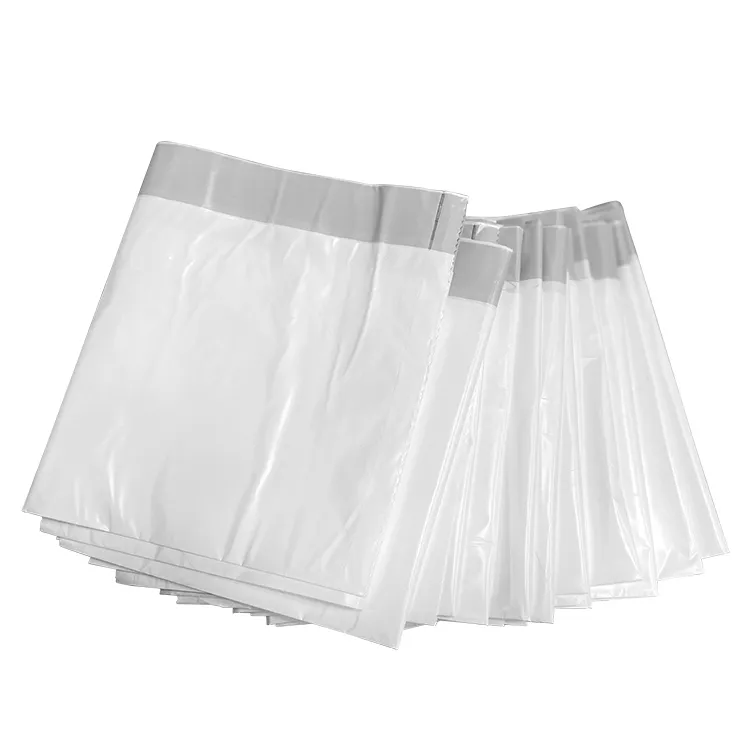
A Restaurant Kitchen Spill
A casual-dining kitchen in Arizona used a thin 0.7 mil liner for prep trimmings and bones. During a Saturday rush, a busser lifted a full bag and it split at the seam, scattering wet waste across the line. The shift lost 20 minutes to cleanup and a health note flagged the floor. Swapping to 1.5 mil puncture-resistant garbage bags ended the recurrence. The failure was not bad luck; it was a gauge mismatch with the load.
Home Leaks After Holiday Cooking
A household after a large roast reported garbage bags weeping at the bottom by morning. Grease and bone sat in a lightweight kitchen liner that conformed to the bin but offered no puncture resistance. The leak reached the cabinet base and needed a deep clean. Garbage bags rated for kitchen wet waste, with a stronger bottom weld, contained the same load without weeping. The fix cost less than the cleaning supplies.
Why Garbage Bags Fail and the Risk
Thin Gauge and Overload
The leading cause of leaks is film too thin for the contents. Garbage bags at 0.6 to 0.9 mil suit only light, dry waste. Add weight, moisture, or pressure and the wall stretches past its limit, then weeps or splits. Overfilling removes tie room and stresses the neck during lifting. The risk is a spill on a floor, a slip hazard, and pest attraction. Matching gauge to load is the single highest-impact change a buyer can make.
Sharp Edges and Heat
Bones, can lids, and broken glass puncture soft film. Hot liquids soften polyethylene and accelerate failure, so cooling ashes or oil before disposal protects the bag. Garbage bags that contact heat or sharp items need a tougher resin and a sound bottom weld. Ignoring these factors turns a routine bin into a leak source. Simple habits, like rinsing and cooling, remove most avoidable failures at the source.
How Garbage Bags Are Built to Hold
Resin Blend and Sealing
Garbage bags are blown from polyethylene, blended for stretch or stiffness. Soft LDPE stretches to absorb load; HDPE stiffens to resist puncture. The bottom seal, usually flat or star-welded, carries the most weight. A correct weld temperature fuses the layers; too low leaves a weak seam that weeps first. Quality plants audit seal strength per shift, which is why two bags at the same mil behave differently on the floor.
ASTM Tensile and Puncture Data
Strength is quantified by ASTM D882 for tensile properties and ASTM D1709 for dart-impact puncture. Garbage bags rated under both show how much pull and how sharp a hit the film survives. A 1.5 mil HDPE kitchen bag may beat a 2 mil LDPE blend on puncture because resin and weld dominate. Buyers who ask for these numbers choose on evidence instead of color or price claims.
OSHA Sanitation Guidance
Workplace bins fall under general sanitation duties, including OSHA 29 CFR 1910.141, which requires clean and sanitary conditions. Leaking garbage bags undermine that standard by spreading moisture and odor and raising slip and pest risk. Specifying leak-resistant liners supports compliance and protects staff. The guidance is not about a brand; it is about containment that keeps the work area safe and presentable.
Stopping Leaks: Choose, Use, Maintain
Pick the Right Garbage Bags
Match garbage bags to the bin's content. Light office and paper waste needs 0.8 to 1.0 mil; kitchen and restroom wet waste needs 1.2 to 1.5 mil; sharp or mixed streams need 2 mil HDPE or higher. Check the carton for mil, resin, and a load note. Suppliers such as Sunho list grade by room and waste type, which removes the trial-and-error that causes most leaks at home and on site.
Load, Tie, and Store
Fill garbage bags to three-quarters, then gather the neck, twist, and tie firmly. Never lift by the top alone; support the base. Keep spare bags in a dry, shaded place because heat and UV age film. Rotate stock so older rolls are used first. A quick pre-use stretch test on a new pallet catches weak film before it reaches the bin and the floor.
Frequently Asked Questions
Question: Why do my garbage bags leak at the bottom?
Answer: Bottom leaks usually come from a weak weld or film too thin for the load. Garbage bags at 0.6 to 0.9 mil weep under wet or heavy waste. Check the mil rating and the bottom seal type, then test a filled bag from a low height. Move to 1.2 to 1.5 mil HDPE for kitchen and restroom waste to stop most bottom failures.
Question: Are thicker garbage bags worth the cost?
Answer: For wet, heavy, or sharp waste, yes. Thicker garbage bags resist puncture and stretch less under load, preventing spills that cost more in cleanup than the film saving. For light dry office waste, a thin bag is fine and cheaper. Match thickness to content rather than buying one grade for every bin in the building.
Question: Can hot liquids go in garbage bags?
Answer: Avoid placing hot liquids or hot solids in garbage bags. Heat softens polyethylene and weakens the seal, causing leaks as the film cools. Let oil, grease, and ashes cool fully before disposal, and contain liquids in a sealed container first. Garbage bags are built for room-temperature waste, not thermal load that accelerates failure.
Question: How full should a garbage bag get?
Answer: Fill garbage bags to about three-quarters full. Leaving headroom lets the neck gather and tie without stressing the wall. Overfilled bags stretch thin, risk the seam, and spill when lifted. Match bag size to the bin so a normal day's waste reaches three-quarters, not overflow, before the bag is changed.
Question: Do scented garbage bags leak less?
Answer: Scent does not affect strength. Scented garbage bags mask odor but use the same film as unscented versions at a given mil. Leak resistance comes from gauge, resin, and seal quality, not fragrance. Choose by spec for the waste type, then use odor control through frequent emptying and a tight lid rather than relying on a scented liner.
Question: How should spare garbage bags be stored?
Answer: Store spare garbage bags flat in a dry, shaded storeroom away from heat, sunlight, and moisture, which age polyethylene and lower strength. Keep cartons sealed until use and rotate stock by date so oldest rolls are used first. A short pre-use stretch check on each new pallet catches tolerance drift before bags reach the bin.