
 EN
EN
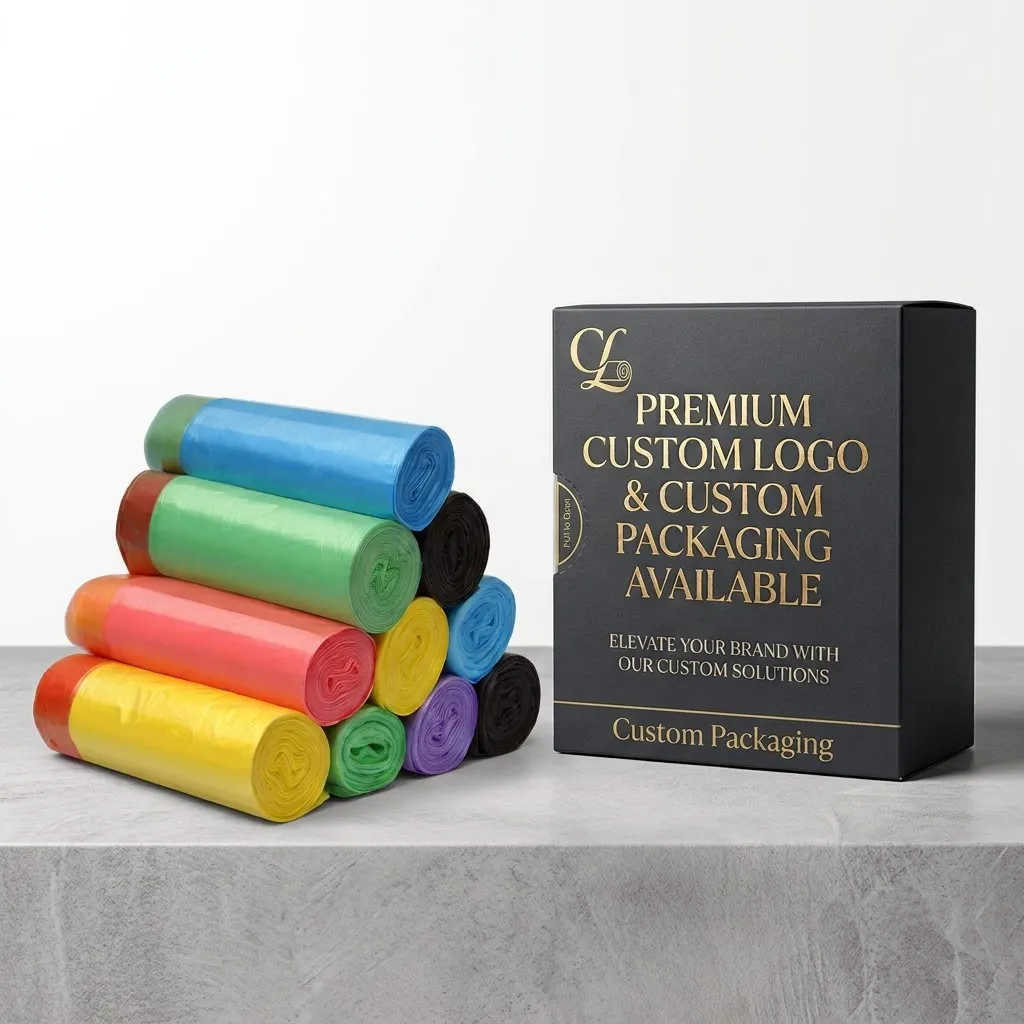
Field Experience With Industrial Waste Bags
A Warehouse Line That Split Bags
A distribution warehouse in Texas switched to a cheaper 1.0 mil liner for mixed packing waste. Within a week, the dock reported split waste bags dropping cardboard straps and plastic offcuts onto the floor. The plant reverted to 2.5 mil industrial waste bags and tracked failures for a month. Tear rate dropped from 12 per day to under one. The incident proved that thickness, not brand, decided performance once the resin and seal were sound.
Measuring Load Before Specifying
Before quoting waste bags, the safety lead weighed typical bin contents. A half-full 55-gallon drum of wood scrap averaged 22 kg; the same drum with metal offcuts hit 38 kg. Light office waste never exceeded 6 kg. Mapping weight to bin size set the spec: 1.5 mil for admin areas, 3 mil for pack lines, 4 to 6 mil for metal and sharp streams. Waste bags sized to measured load removed the guesswork that caused the first failures.
Risk of Wrong-Thickness Waste Bags
Tears at the Curb
Under-spec waste bags fail where they are handled most: the tip and the curb. A 1.5 mil bag holding 30 kg of sharp scrap stretches thin and splits as the driver lifts it. Spilled load draws pests and a cleanup order. Waste bags that match the load survive the bounce of a collection truck. The cost of one extra mil per bag is tiny next to a single spill response and lost site hours.
Compliance and Cleanup Cost
Many sites must meet local waste-handling rules that imply containment integrity. A breach that scatters material can trigger a citation under general sanitation duties referenced in OSHA 29 CFR 1910.141 for workplace housekeeping. Waste bags that leak also raise worker exposure to dust and sharp edges. Specifying correct thickness is a low-cost control that supports both compliance and crew safety on a busy floor.
The Technical Standard Behind Waste Bags
Mil to Micron Conversion
Thickness for waste bags is quoted in mil (one thousandth of an inch) or microns. One mil equals 25.4 microns. A 2 mil bag is about 51 microns; a 6 mil bag is 152 microns. Converting helps compare imported film speced in microns with domestic mil labels. Waste bags should state one system clearly. Mixing units without conversion leads buyers to accept film thinner than the job requires.
ASTM D882 and Dart Testing
Film strength is measured by ASTM D882 for tensile properties and ASTM D1709 for dart-impact puncture. Together they describe how waste bags behave under pull and under a sharp hit. Reputable mills publish both values per gauge. A 3 mil HDPE liner may show higher dart impact than a 4 mil LDPE blend because resin and weld matter as much as thickness. Data, not the number on the box, predicts the field result.
ISO 9001 Process Control
Consistent thickness depends on process control at the extruder. Plants certified to ISO 9001:2015 document gauge tolerance and audit it on the line. Waste bags from a certified supplier vary less roll to roll, so the bag that passed the bench test performs the same six months later. Ask for the certificate and the tolerance band. Tight tolerance is the quiet reason two bags at the same mil feel like different products.
Specifying, Using, and Storing Waste Bags
Choose Mil by Waste Type
Match waste bags to content: 1.5 to 2 mil for light dry office and paper; 2.5 to 3 mil for general pack waste; 4 to 6 mil for metal, glass, and sharp offcuts. Wet or food waste may need a softer LDPE at 2 mil with a strong bottom weld. Sunho publishes a mil-by-waste chart that maps bin to grade so purchasers avoid both overspend and under-protection on the same site.
Load and Tie Correctly
Fill waste bags to no more than three-quarters to leave tie room and reduce wall stress. Gather the neck, twist, and secure with a compatible tie or knot. Do not drag a filled bag by the top, which stresses the seal. Store spare waste bags flat in a dry, shaded storeroom and rotate by date. Correct loading and tying extend the life of any gauge and cut spontaneous splits at the curb.
Frequently Asked Questions
Question: What is the standard thickness for industrial waste bags?
Answer: Industrial waste bags commonly run 1.5 to 6 mil. Light dry waste fits 1.5 to 2 mil; general pack lines need 2.5 to 3 mil; metal, glass, and sharp streams require 4 to 6 mil. Thickness should follow measured load weight and content, not a single site-wide guess. ASTM D882 and D1709 data confirm the right grade for each bin.
Question: Is mil or micron the correct unit for waste bags?
Answer: Both are correct; one mil equals 25.4 microns. North American waste bags are usually labeled in mil, while imported film may use microns. Convert before comparing: 2 mil is about 51 microns. Waste bags should state the unit clearly on the carton so buyers do not accept film thinner than the job requires.
Question: Do thicker waste bags always mean stronger?
Answer: Not always. Resin type, seal quality, and weld temperature matter as much as thickness. A 3 mil HDPE liner can out-perform a 4 mil LDPE blend under sharp load because HDPE resists puncture. Waste bags should be judged by ASTM D1709 dart-impact and D882 tensile data, not mil alone. Spec by performance, then confirm with a field test.
Question: How do I measure the right bag for my bin?
Answer: Measure bin height, width at the rim, and depth. Add roughly 15 cm to height for overhang and tie room. Match waste bags to that opening, not to the bin's liquid capacity. A bag too small slips inside; too large wastes film. Record the size per bin location so reorders stay consistent across shifts and sites.
Question: Are biodegradable waste bags as thick as plastic?
Answer: Compostable waste bags often run thinner and weaker than HDPE at the same mil because the resin stretches less predictably. They suit food and garden waste bound for compost, not sharp industrial load. Check the certified compost standard and the load limit. For metal or glass streams, conventional waste bags at 4 to 6 mil remain the safer choice.
Question: How should waste bags be stored on site?
Answer: Store waste bags flat in a dry, shaded storeroom away from heat and UV, which age polyethylene and lower strength. Rotate stock by purchase date so oldest rolls ship first. Keep cartons sealed until use to block dust and moisture. A short pre-use inspection of one sack per pallet catches tolerance drift before it reaches the floor.
Table of Contents
- Field Experience With Industrial Waste Bags
- Risk of Wrong-Thickness Waste Bags
- The Technical Standard Behind Waste Bags
- Specifying, Using, and Storing Waste Bags
-
Frequently Asked Questions
- Question: What is the standard thickness for industrial waste bags?
- Question: Is mil or micron the correct unit for waste bags?
- Question: Do thicker waste bags always mean stronger?
- Question: How do I measure the right bag for my bin?
- Question: Are biodegradable waste bags as thick as plastic?
- Question: How should waste bags be stored on site?