
 EN
EN
Asbestos Bag Sealing Procedure: Step-by-Step Compliance
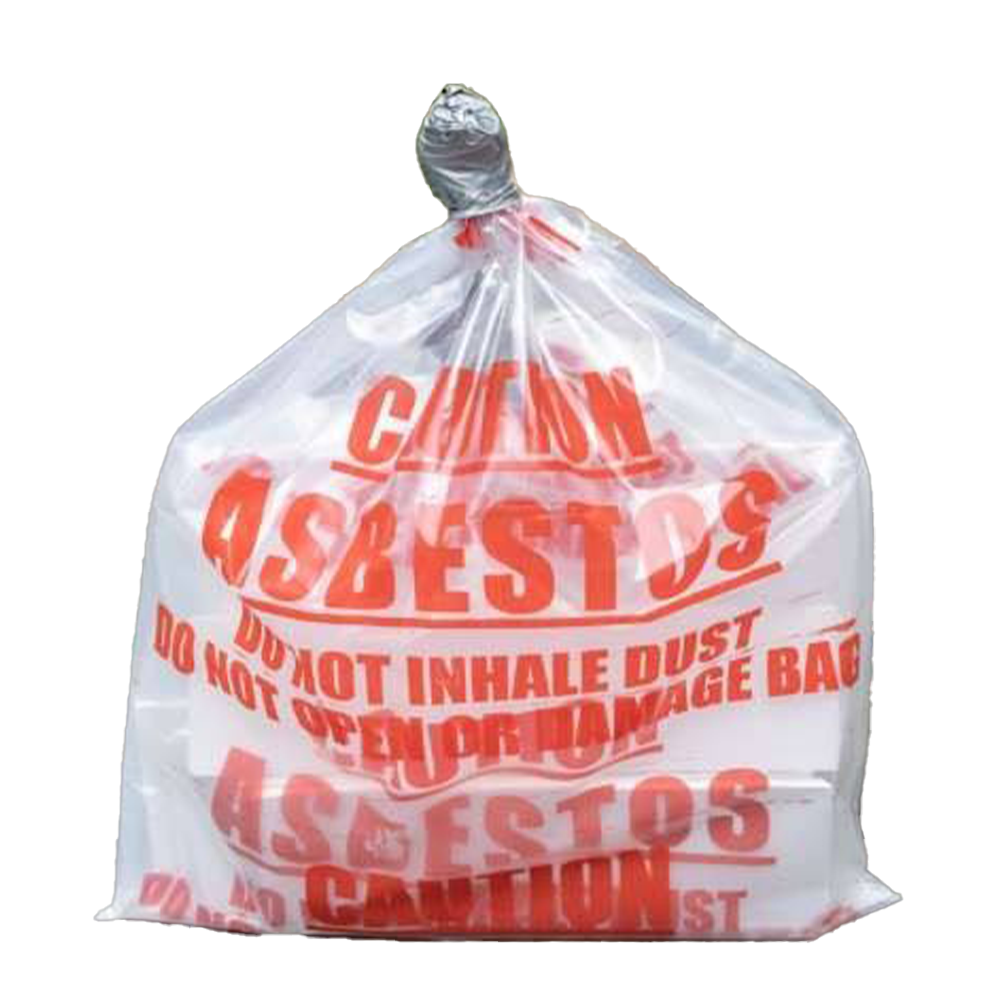
Achieving airtight, compliant asbestos waste containment demands a methodical sequence that minimises fibre release and meets UK HSE and US EPA standards. Improper closure techniques can lead to enforcement action, with US EPA penalties reaching $37,500 per day per violation. The following steps ensure every bag is ready for safe, legal transport.
Pre-Sealing Preparation: PPE, Bag Selection, and Waste Conditioning
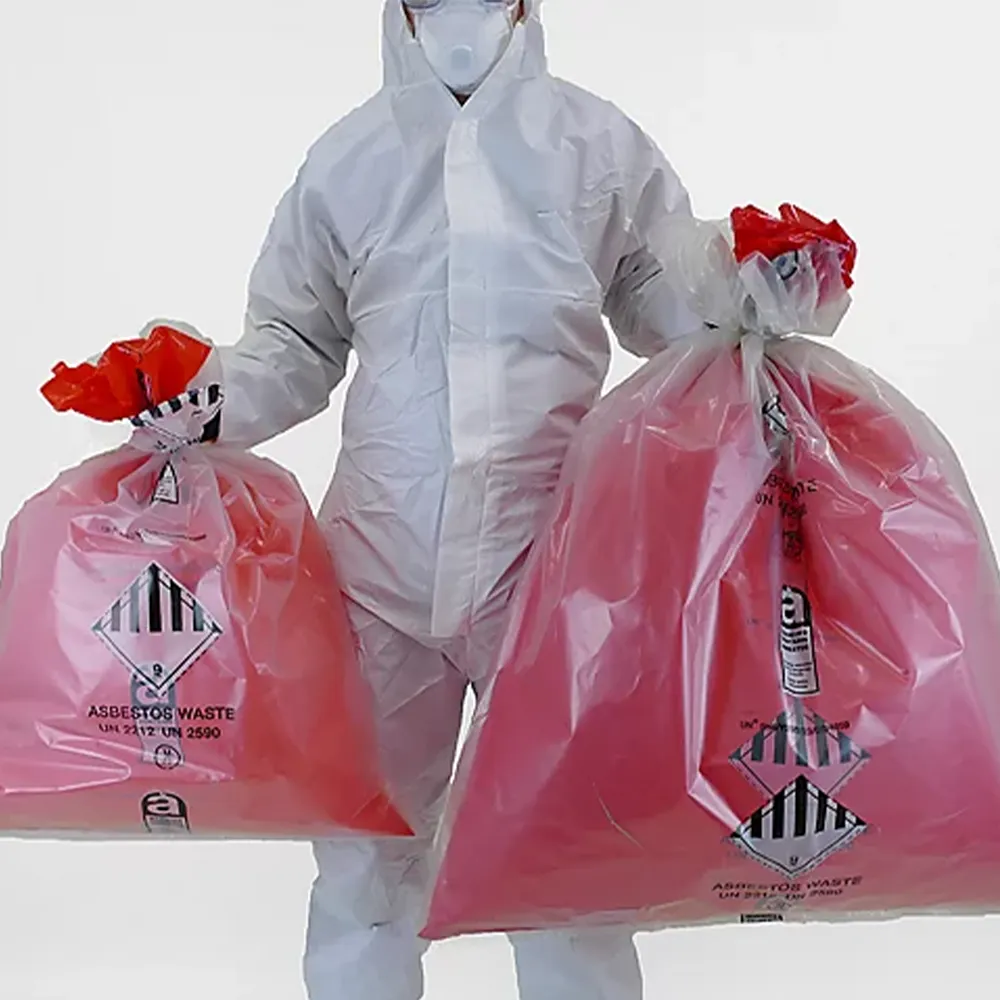
Workers must don full-facepiece respirators with P3 filters, Type 5/6 coveralls, and heavy-duty gloves before handling any material. Only UN packaging group II–compliant polyethylene bags—minimum 200 µm (6-mil) thick and pre-labelled with the asbestos warning symbol and “DANGER – ASBESTOS” text—may be used. All asbestos-containing waste must first be thoroughly wetted using a fine mist of water or a surfactant solution if water repellency is present, suppressing airborne fibres at the source. Sharp edges should be padded or wrapped to prevent punctures. Position bags inside a large-necked, grounded collection bin and keep double-locking adhesive tape and heavy-duty cable ties within immediate reach. These measures align with the UK Control of Asbestos Regulations 2012 and the US EPA’s NESHAP (40 CFR Part 61), reducing the risk of bag failure during subsequent handling.
The Double-Bagging Protocol and Leak-Proof Closure Technique
Fill the first bag no more than two-thirds full to allow space for secure closure. Gather the open neck, twist tightly into a “gooseneck,” fold the twisted section over itself, and secure it with at least two heavy-duty locking cable ties. Wipe the outer surface of the sealed primary bag with a damp cloth to capture residual fibres. Carefully place this sealed unit into a second identically labelled bag and repeat the gooseneck-and-tie method. Gently squeeze out excess air by hand—never use vacuum sealers, as pressure changes risk rupturing the plastic—and inspect both seals for wrinkles, gaps, or tension inconsistencies. This double-bag protocol, endorsed in HSE guidance note EH40/2005, provides redundant containment: single-bag failure rates in transport can reach 12% without proper folding and secondary sealing, highlighting the necessity of the dual barrier.
Labeling and Documentation Requirements Prior to Sealing
Labels must be affixed to the outermost bag before final closure to ensure full visibility during transit. Each label must include the weather-resistant “DANGER – ASBESTOS” marking, the waste generator’s name and address, and the date of packaging. A hazardous waste consignment note (UK) or uniform hazardous waste manifest (US) must be completed and accompany the shipment; a copy may be placed between the two bag layers only if it does not compromise seal integrity. Documentation must reference waste classification code 17 06 05* and the licensed carrier’s registration number. Final documentation is completed immediately after outer-bag sealing, confirming each bag is traceable to a valid waste transfer record. Only then is the load legally defined as ready for handover to a licensed asbestos carrier.
Regulatory Requirements for Asbestos Bag Sealing Under UK HSE and US EPA
Regulatory frameworks in the UK and US establish strict, non-negotiable standards for asbestos bag sealing—but their operational emphasis differs. The UK’s Control of Asbestos Regulations 2012, enforced by the Health and Safety Executive (HSE), requires UN-approved packaging, visible CDG hazard labelling, and the European Waste Catalogue (EWC) code 17 06 05*. In contrast, the US EPA’s National Emission Standards for Hazardous Air Pollutants (NESHAP, 40 CFR Part 61, Subpart M) prohibits visible emissions during sealing and mandates leak-tight performance under compaction—verified via a specified drop test. While HSE places greater weight on physical seal integrity (e.g., gooseneck formation and tie tension), EPA compliance hinges on emission control and structural resilience under mechanical stress. These are not interchangeable standards: a shipment compliant under HSE guidelines may fail an EPA inspection, and vice versa.
Minimising Fibre Release During Asbestos Bag Sealing
Wet-Wiping, Static Control, and Controlled Environment Best Practices
Systematic preparation is essential to suppress fibre release during sealing. Operators wear full PPE—including P3 respirators—and dampen waste prior to bagging. Wet-wiping surfaces with disposable cloths captures loose fibres; a 2020 HSE report found this reduces airborne concentrations by over 90% compared to dry sweeping. Anti-static spray or grounding straps mitigate electrostatic dispersion of charged fibres. All sealing must occur within a plastic-sheeted enclosure operating under negative air pressure to contain stray emissions. Final cleanup uses only HEPA-filtered vacuums—standard vacuums are prohibited, as they recirculate fibres into the work environment. Together, these controls keep exposure well within occupational limits and reinforce the effectiveness of the core sealing procedure.
Transportation Readiness: Verifying Sealed Asbestos Bags for Legal Transit
Inspection, Securing, and Certification for Licensed Carrier Handover
Final verification ensures sealed bags meet regulatory thresholds before transit. Inspect each bag for punctures, seam weaknesses, or moisture ingress that could compromise containment. Once cleared, bags must be secured in the transport container using dunnage or strapping to prevent shifting. The container itself must bear hazardous waste markings and remain fully sealed. Complete the waste consignment note, recording bag count, description, and the carrier’s licence number. Only a licensed hazardous waste carrier may accept the load. Before handover, the consignor and carrier representative jointly sign the transfer certification, affirming correct packaging and regulatory compliance. This documented chain of custody confirms adherence to both UK and US requirements and fulfils legal obligations for safe, lawful transportation.
FAQ
Why is double-bagging necessary when sealing asbestos waste?
Double-bagging provides redundant containment, significantly reducing the risk of containment failure during transport. It is a requirement under both UK HSE and US EPA regulations.
What type of personal protective equipment (PPE) is required for asbestos waste handling?
PPE includes full-facepiece respirators with P3 filters, Type 5/6 coveralls, and heavy-duty gloves to minimize exposure to asbestos fibres during handling and sealing.
Why must asbestos waste be wetted before sealing?
Wetting asbestos waste suppresses airborne fibres, which reduces the risk of exposure during handling and complies with regulatory guidelines for safe containment.
Can standard vacuum cleaners be used to clean up asbestos fibres?
No, only HEPA-filtered vacuums are permitted, as they effectively trap asbestos fibres and prevent recirculation into the air, unlike standard vacuums.
What documentation is required for the transportation of asbestos waste?
Documentation includes a hazardous waste consignment note (UK) or a uniform hazardous waste manifest (US), referencing waste classification code 17 06 05*, the waste generator’s details, and the licensed carrier’s registration number.
Table of Contents
- Asbestos Bag Sealing Procedure: Step-by-Step Compliance
- Regulatory Requirements for Asbestos Bag Sealing Under UK HSE and US EPA
- Minimising Fibre Release During Asbestos Bag Sealing
- Transportation Readiness: Verifying Sealed Asbestos Bags for Legal Transit
-
FAQ
- Why is double-bagging necessary when sealing asbestos waste?
- What type of personal protective equipment (PPE) is required for asbestos waste handling?
- Why must asbestos waste be wetted before sealing?
- Can standard vacuum cleaners be used to clean up asbestos fibres?
- What documentation is required for the transportation of asbestos waste?