
 EN
EN
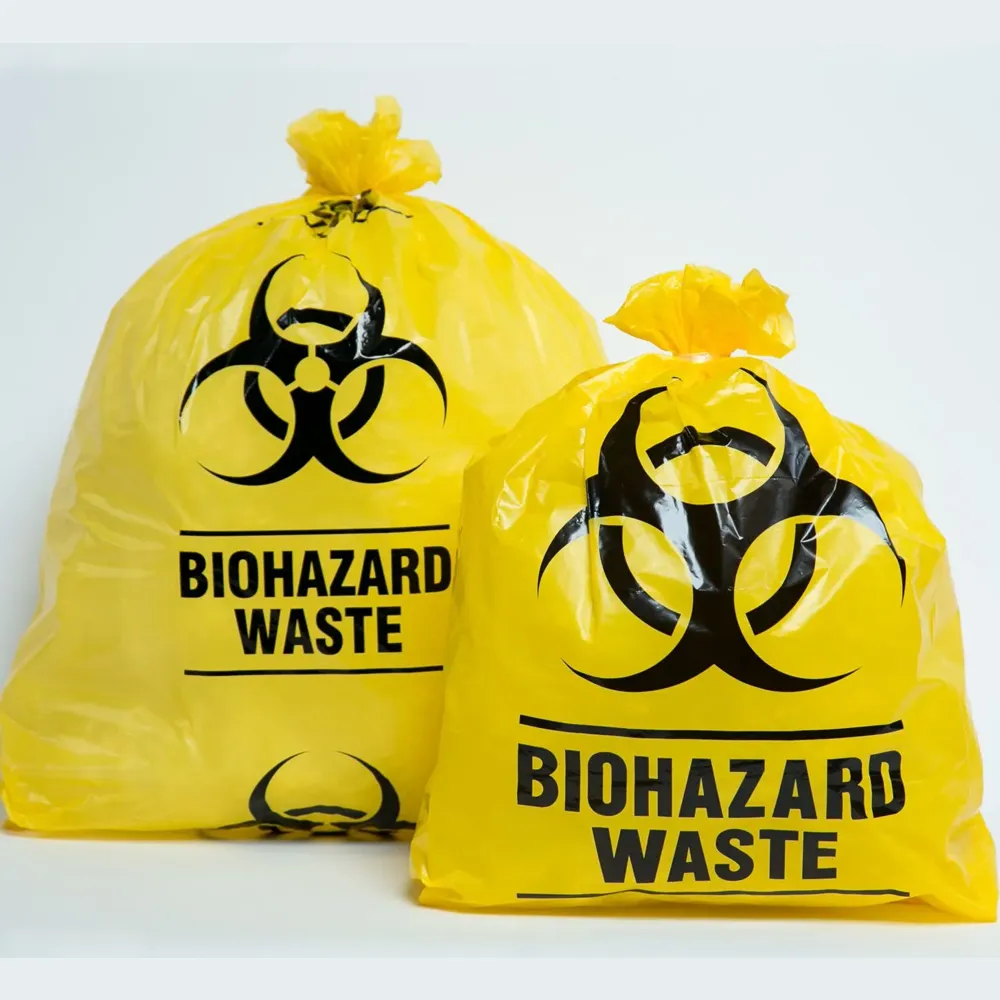
Regulatory Foundations for Medical Waste Bags
ASTM D1795, WHO, and EPA Standards for Waste Bag Integrity and Color-Coding
Medical waste bags act as essential containment barriers across healthcare facilities worldwide, following strict industry standards that everyone agrees on. ASTM D1795 sets out what these bags need to handle in terms of punctures and tears. They test things like how thick the plastic is, how strong it pulls apart, and whether they hold up when dropped. This ensures that medical staff can handle them safely without worrying about leaks or ruptures. Color coding comes into play here too. The Environmental Protection Agency requires specific colors for different types of waste, with red being the standard for anything contaminated with bodily fluids. World Health Organization guidelines help keep things consistent internationally, making sure labels have those universal warning symbols and sometimes include instructions in multiple languages so everyone understands the risks involved. When it comes to actual materials, there's no room for compromise. These bags must be at least 3 mils thick and made from either HDPE or LLDPE plastics. Why? Because these materials stand up against blood, bodily fluids, and even regular cleaning chemicals used in hospitals day after day.
Why Compliance Failure in Waste Bags Risks Fines, Contamination, and Audit Nonconformance
When waste bags don't meet standards, they basically break down all those important regulations in place - and this comes at a real cost. The Environmental Protection Agency can hit organizations with fines as high as $76k for each problem spot in how waste is separated, labeled, or stored according to their 2023 reports. Meanwhile hospitals dealing with FDA Form 483 issues around bad waste management end up spending about $740 thousand extra every year, according to research from Ponemon back in 2023. Poor quality bags actually make people much more likely to get exposed to dangerous pathogens while transporting them because of all the leaks and rips that happen. We've seen this lead to contamination problems spreading between different hospital areas. And if audits find missing pieces in transportation paperwork, staff training logs, or custody records? That often means getting pulled into reviews or only receiving partial approvals from regulators. Things get even worse when these same issues show up repeatedly in Joint Commission inspections.
Safe Handling and Segregation of Waste Bags at Point of Use
Best Practices: Puncture-Resistant Waste Bags, Integrated Closure Systems, and Staff Training Protocols
Segregation works best when it starts right where the waste is generated. There are basically three things that need to work together for this to happen. Number one, according to OSHA regulations, any containers holding sharp objects or infectious materials need to have puncture resistant properties. The good news is that HDPE and LLDPE bags that meet ASTM D1795 standards already satisfy these requirements without needing extra layers or secondary containers. Moving on to closures, hospitals should invest in integrated systems instead of relying solely on how staff tie them up. These can include things like self sealing strips, stronger drawstrings, or established double knotting methods. Studies from the Journal of Hospital Infection back this up showing such systems cut down leakage risks by around half. Lastly but probably most important, training programs for staff shouldn't just happen once a year. They need regular refreshers focused on actual skills rather than just ticking boxes. Proper training covers all aspects of safe handling and disposal procedures.
- • Immediate, stream-specific segregation (e.g., red for biohazard, yellow for chemotherapy, clear for non-regulated plastics)
- • Filling limits (¾ capacity) to prevent over-stretching and seal failure
- • Recognition of bag integrity indicators (e.g., clouding, brittleness, inconsistent thickness)
When combined with engineered safety features, structured training reduces needlestick injuries by 43% and cuts contamination-related incident reports by nearly two-thirds.
Secure Storage, Transport, and Temperature-Stable Logistics for Waste Bags
OSHA Time Limits vs. Real-World Thermal Challenges: Ensuring Waste Bag Stability in Transit
The Occupational Safety and Health Administration sets a 30 day limit for removing regulated medical waste from where it's stored at the point of use. But in reality, heat stress tends to damage these waste bags way before that deadline arrives. When summer temps climb past 110 degrees Fahrenheit, the plastic starts breaking down faster than normal. This makes the bags weaker by around 30% in terms of how much force they can handle. On the flip side, freezing winter conditions under 20 degrees Fahrenheit make the materials brittle and prone to tearing when being loaded into transport containers. The Healthcare Environmental Resource Center reported back in 2023 that about one out of every six containment failures they documented could be traced to problems with temperature exposure. Many of these incidents happened because facilities weren't using properly tested packaging solutions or simply transporting waste without any kind of temperature monitoring system in place.
- • Temperature-stable packaging: Insulated containers or phase-change materials validated for ≥48-hour thermal buffering
- • Real-time monitoring: Wireless sensors logging time-stamped temperature data synced to facility EHS dashboards
- • Climate-validated transport protocols: Pre-qualified carriers with documented performance in extreme heat/cold zones
- • Staff response training: Clear escalation paths for thermal excursions, including quarantine and re-bagging procedures
Proactive thermal management ensures structural stability aligns with OSHA's 30-day window—not just in theory, but under actual operational conditions.
End-of-Life Accountability: Tracking, Documentation, and Verified Disposal of Waste Bags
Getting rid of medical waste requires full responsibility across the whole process—not just ticking off compliance items on a list. Hospitals need to keep track records for each waste bag all the way from when it first goes into storage until someone signs off on its final treatment. The EPA can hit facilities with fines up to $75k for each instance where documentation is missing or fake, which explains why most top hospitals have switched to digital manifests these days. These systems work best when combined with barcodes or RFID tags attached directly to waste containers. For proper destruction verification, third parties often check things like autoclave logs confirmed by outside auditors or look at chemical neutralization reports showing what's left after treatment. This helps ensure nothing harmful gets back into the environment accidentally. Many modern waste management software solutions will actually point out problems in documentation automatically, like when manifest numbers don't match up or treatment times are missing. Catching these issues early makes life much easier during those dreaded audits and inspections.
FAQs
What are the core standards for medical waste bags?
Standards such as ASTM D1795, WHO, and EPA guidelines are crucial for ensuring the integrity of medical waste bags.
Why is color-coding important in medical waste bags?
Color-coding helps in identifying the type of waste, with specific colors assigned for different waste types, aiding in safe disposal.
What should hospitals do if waste bags don't meet standards?
Non-compliance could lead to hefty fines, contamination risks, and audit nonconformance issues.
How does temperature affect the storage of medical waste bags?
Extreme temperatures can degrade bag integrity, making them prone to leaks and tears, highlighting the need for temperature-stable logistics.