
 EN
EN
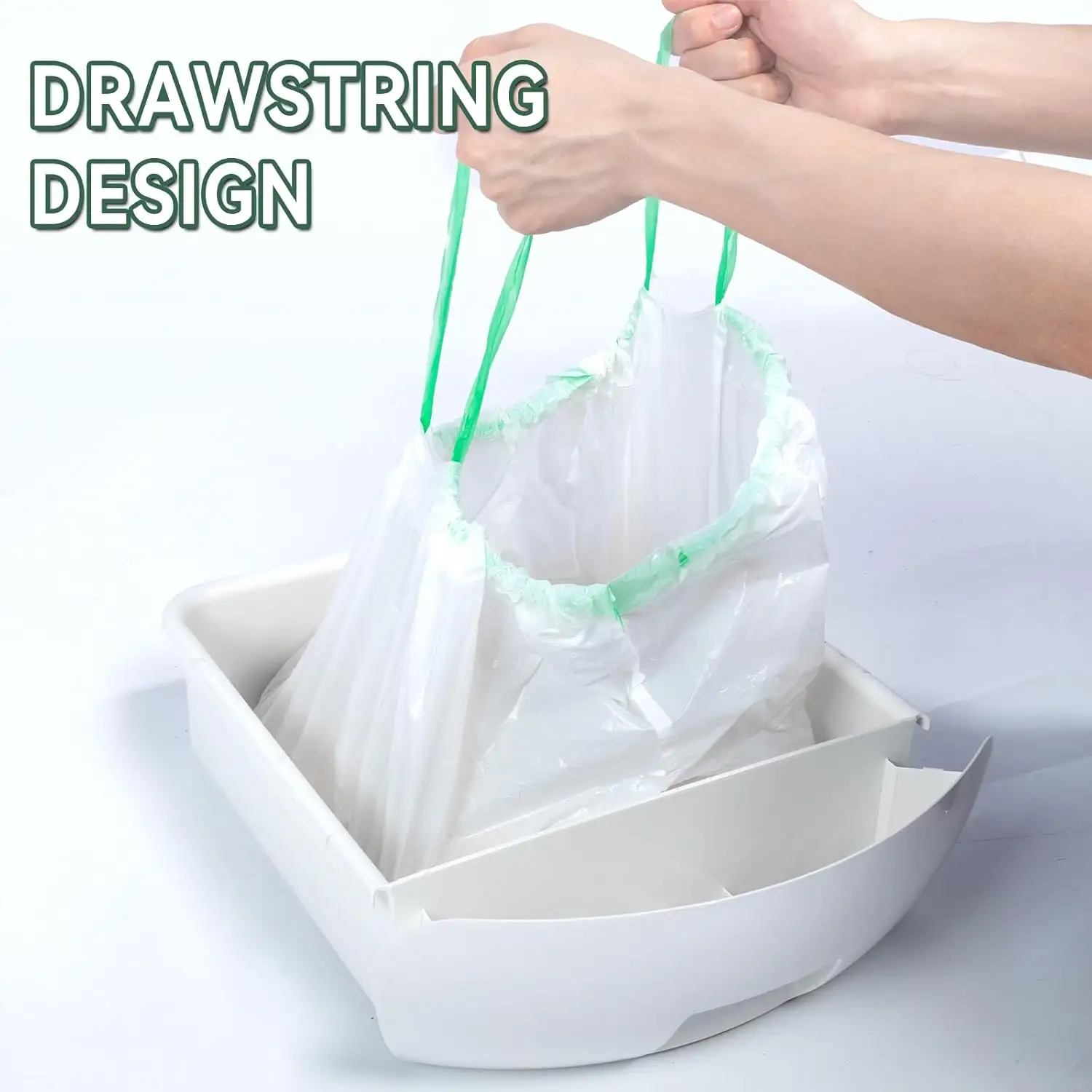
Why Accurate Bin Liner Size Calculation Matters
A liner that doesn’t fit properly creates more than a mess—it triggers a cascade of operational and financial headaches. An undersized bag tears easily, fails to contain waste, and exposes staff to hazardous spills or biological contamination. An oversized liner wastes material, consumes excess storage space, and inflates recurring procurement costs. Using a bin liner size calculator eliminates guesswork, converting simple interior container measurements into a precise size recommendation. The result is a liner that fits securely, uses only the material needed, and reduces leakage or tear risk. In high-throughput settings—such as healthcare, food processing, or commercial cleaning—even a 10% overestimation in liner dimensions can add thousands of dollars annually to supply budgets. Getting the size right from the start cuts unnecessary spending, supports sustainability goals by reducing plastic waste, and lowers the risk of workplace injury from improper waste handling.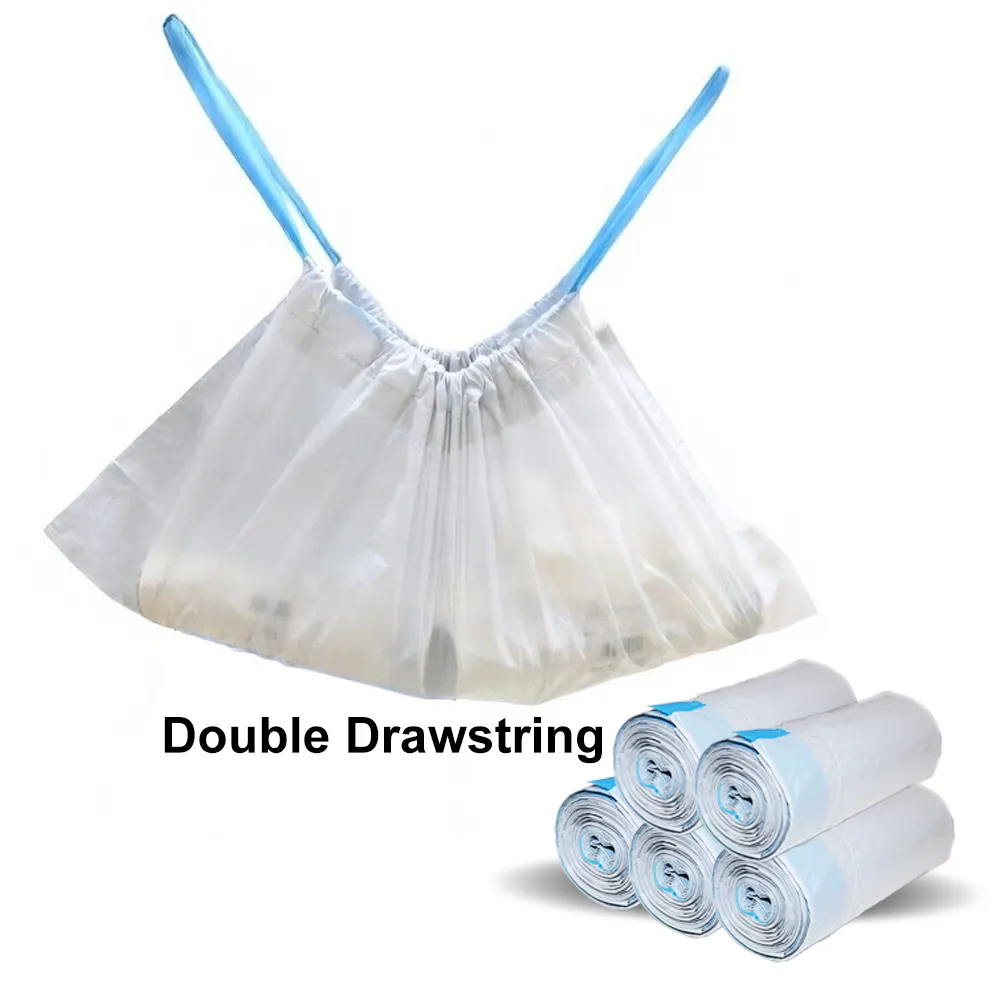
How to Measure Your Bin Correctly
Before using a bin liner size calculator, precise interior measurements are essential to ensure a snug fit and prevent slippage. For rectangular bins, measure the inside length and width at the base—not the top—and the interior height straight up from the floor to the rim. For round bins, measure the interior diameter across the widest part of the opening and the interior height. Always measure inside the container: exterior dimensions misrepresent usable volume due to tapered walls, thick rims, or structural reinforcement. These three accurate numbers define the true container profile—the foundation for every sizing formula.
The Bin Liner Size Calculator Formula Explained
Step-by-step calculation for round and rectangular bins
Accurate sizing starts with three interior measurements: length and width (for rectangular bins) or diameter (for round bins), plus depth/height. The formula adds twice the depth to account for the liner climbing both side walls—and includes overhang to secure the bag at the rim. The table below outlines the two most common configurations:
| Shape | Measurements Needed | Liner Width Formula | Liner Length Formula |
|---|---|---|---|
| Rectangular | Length (L), Width (W), Depth (D) | W + (2 × D) + Overhang | L + (2 × D) + Overhang |
| Round | Diameter (Dia), Height (H) | Flat width = Dia × 1.57 (π/2) | H + (Dia / 2) + Overhang |
For rectangular bins, plug in your numbers directly. For example, a container 50 cm long, 40 cm wide, and 30 cm deep—with a 20 cm overhang—requires a liner at least 40 + 60 + 20 = 120 cm wide and 50 + 60 + 20 = 130 cm long. Round bins require geometric adjustment: the flat width equals half the circumference (hence π/2 ≈ 1.57), while the length accounts for vertical rise plus radial reach to the rim. This logic ensures full internal coverage without overstretching or bunching—critical for maintaining integrity during use.
Adding 20% overhang: purpose, limitations, and context-sensitive adjustments
The “20% overhang” guideline is widely recommended because it provides reliable rim grip and sufficient material to tie or secure the bag. Without adequate overhang, liners slip inward—especially when filled with heavy or uneven loads—increasing spill risk and cleanup time. Industry data shows liners with insufficient overhang are three times more likely to slip than those meeting minimum coverage standards. But 20% is not universal: optimal overhang depends on bag gauge, waste composition, and container geometry.
Light, dry waste (e.g., office paper or packaging) may only need 10–15% overhang—reducing material use and cost. In contrast, sharp, dense, or wet refuse (like food prep trimmings or construction debris) benefits from 30–40% overhang to maintain anchorage and resist tearing. Thin-gauge liners (e.g., 1.2 mil) require more overhang due to lower stiffness; similarly, round bins with tapered walls demand extra allowance to compensate for narrowing circumference toward the base. Always validate sizing through real-world testing before scaling purchases—and adjust overhang based on observed performance, not preset rules.
Selecting and Testing the Right Bin Liner Size
Once the calculator delivers target dimensions, matching them to an actual product demands attention to labeling conventions and physical tolerances. Liner packaging often lists nominal width and length—but the usable flat width, measured between side seams, is typically 10–15% smaller than stated. A bag labeled “30″ × 36″” may deliver only ~26″ of functional opening width. Always verify actual sack dimensions before ordering, especially for critical applications like clinical or food service waste.
For irregularly shaped bins—or those with sharp corners or reinforced rims—round up to the next standard size and consider upgrading gauge (e.g., 2.0 mil instead of 1.5 mil) to improve puncture resistance. Real-world testing is non-negotiable: place the liner in the empty bin, seat it fully into corners and base, then pull the excess evenly over the rim. Ideal overhang reaches 4–6 inches down the exterior—enough to tie securely or hold with a retaining band. Then load the bin with typical waste weight and observe:
- Does the liner reach the bottom without thinning or distorting?
- Do side seams pull inward or split at the rim?
- Can the full bag be lifted without film failure?
If any test fails, incrementally increase width or length by 2–4 inches—or switch to a higher-gauge liner. That small upfront effort prevents leaks, tears, and workflow disruption once deployed at scale.
FAQ
Why does the size of a bin liner matter?
A properly sized bin liner reduces waste, prevents spills, minimizes financial costs, and supports sustainability. Incorrect sizes can lead to operational issues and increased expenses.
What are the key measurements needed for bin liner size calculation?
Measure the interior dimensions—length, width, and depth for rectangular bins, or diameter and height for round bins.
What is the purpose of the 20% overhang guideline?
The 20% overhang ensures secure rim grip and reduces spill risk. However, the optimal percentage depends on waste type, bag gauge, and container geometry.
How can I test a liner for proper sizing?
Place the liner in the bin, verify secure fitting, and test its durability under typical waste weight. Adjust dimensions or gauge based on performance.