
 EN
EN
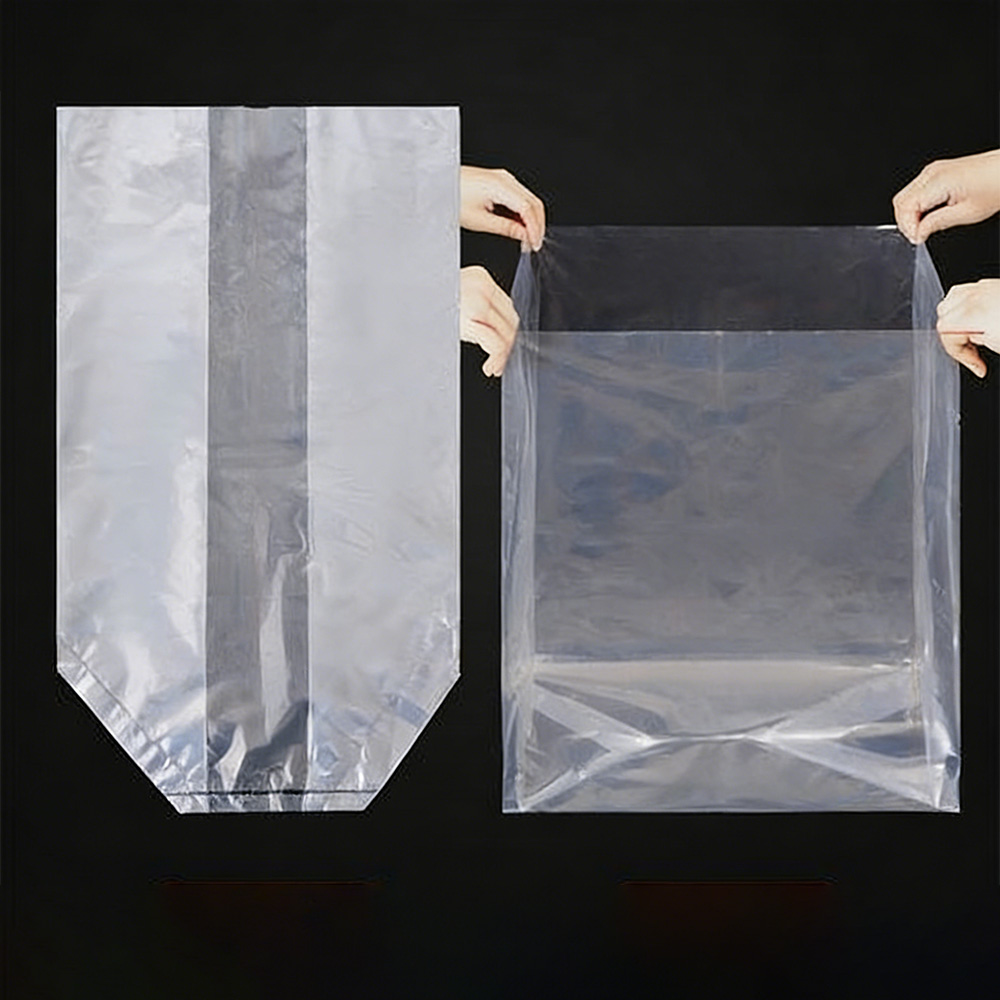
Shipping cargo on pallets is the backbone of global logistics, but the journey from warehouse to destination exposes goods to a range of hazards that standard stretch wrap alone cannot address. Dust infiltration, moisture damage, UV degradation, and temperature fluctuations can compromise product quality before goods even reach the customer. Pallet covers provide a critical additional layer of protection that shields palletized cargo from environmental threats throughout the shipping and storage cycle. Understanding how different types of pallet covers work, when to use them, and how to specify the right one for a given application helps logistics managers reduce cargo damage claims and improve delivery condition consistency.
What Are Pallet Covers and How Do They Function
A pallet cover is a large protective bag or sheet designed to enclose an entire pallet of goods from top to bottom. Manufactured from polyethylene film, typically low-density polyethylene for flexibility and tear resistance, pallet covers create a physical barrier against environmental contaminants. Most pallet covers are produced in a gusseted tube or flat sheet format, allowing them to be pulled down over a loaded pallet and secured at the base. Unlike stretch wrap, which primarily provides load stability, pallet covers offer complete enclosure that protects against dust, dirt, moisture, and in some cases UV radiation. The thickness of pallet covers typically ranges from 1.5 to 4.0 mils depending on the level of protection required and whether the cover is intended for single-use or reusable applications.
Protection Against Dust, Moisture, and Contamination
Dust and particulate contamination are persistent problems in warehouse storage and open-bed truck transport. Fine particles can penetrate the gaps between stretch wrap layers and settle on product surfaces, which is particularly problematic for electronics, pharmaceuticals, textiles, and food-grade packaging. Pallet covers with a sealed top and sides prevent dust ingress entirely when properly fitted. Moisture protection is another primary function. Polyethylene pallet covers act as a waterproof barrier against rain, snow, and high-humidity environments. For shipments passing through multiple climate zones, condensation inside the cover can be managed by selecting breathable film formulations or by including desiccant packs beneath the cover. Suppliers offering pallet covers as part of a broader packaging portfolio can advise on the appropriate film type based on the shipping route and destination climate.
UV Protection and Outdoor Storage Considerations
For cargo that may be stored outdoors at any point in the supply chain, UV-stabilized pallet covers provide essential protection against sunlight degradation. Standard polyethylene film breaks down under prolonged UV exposure, becoming brittle and losing tensile strength. UV-stabilized covers incorporate additives that absorb or reflect ultraviolet radiation, extending the useful life of the cover and maintaining cargo protection for weeks or months of outdoor storage. This is particularly relevant for construction materials, agricultural products, and industrial equipment that may be staged outdoors at distribution centers or job sites. Buyers specifying UV-protective pallet covers should confirm the expected outdoor durability period with the manufacturer, as UV stabilization levels vary by formulation.
Application Example: Cross-Continent Electronics Shipment
Consider a manufacturer shipping consumer electronics from a production facility in Asia to a distribution center in Europe. The journey involves containerized ocean freight, port handling, and truck transport to the final warehouse, spanning approximately four to six weeks. During ocean transit, container sweat caused by temperature differentials between day and night can introduce moisture that damages sensitive electronic components. Dust from port handling equipment and road transport can infiltrate packaging. The logistics team specifies 2.5 mil gusseted pallet covers made from LDPE, applied over each pallet before stretch wrapping, to create a full moisture and dust barrier. The covers are secured at the pallet base with adhesive tape and labeled with shipping documentation visible through the transparent film. Packaging manufacturers with experience in export-grade protective solutions can recommend cover dimensions and film specifications matched to standard ISO pallet sizes and shipping container dimensions.
Pallet Covers vs Alternative Pallet Protection Methods
Logistics professionals often weigh pallet covers against alternatives such as stretch wrap, shrink wrap, and corrugated pallet caps. Each method serves different protection priorities. Stretch wrap excels at load stabilization and offers minimal environmental protection. Shrink wrap provides tighter conformity to irregular loads but requires heat application equipment and is less practical for high-throughput operations. Corrugated caps offer impact protection and stacking strength but limited moisture resistance. Pallet covers occupy a middle ground: they provide superior environmental protection compared to stretch wrap, require no specialized application equipment, and can be combined with stretch wrap for integrated stabilization and enclosure. The choice among these methods depends on the primary cargo threat: stabilization, moisture, dust, or physical impact.
Specifying the Right Pallet Cover for Your Operation
When specifying pallet covers, buyers should evaluate five key parameters: film material and thickness, cover dimensions matching standard or custom pallet sizes, gusset design for easy application over tall or irregular loads, transparency level for barcode and label visibility, and any special properties such as anti-static, UV-stabilized, or VCI for metal corrosion protection. The cover should extend at least 6 inches below the pallet deck to allow secure fastening. For export shipments, buyers should confirm that the film material complies with destination country regulations on packaging materials and plastic waste management. Requesting pre-production samples for fit testing on actual pallet configurations helps avoid the common problem of covers that are too tight and tear during application, or too loose and billow during transport.
Questions and Answers
Can pallet covers be reused?
Some pallet covers, particularly those made from 3.0 mil or thicker film, can be reused for multiple shipments if they remain intact and free of contamination. Reuse is most practical in closed-loop distribution systems where pallets return to the same origin point. For one-way export shipments, single-use covers are typically more cost-effective.
What is the difference between a pallet cover and a pallet bag?
The terms are often used interchangeably, but in some industry contexts a pallet bag refers to a fully enclosed bag with a sealed bottom, while a pallet cover is open at the bottom and pulled over the load from the top. Pallet bags offer complete six-sided protection and are preferred for highly sensitive cargo, while pallet covers provide five-sided protection that is generally sufficient for most shipping applications.
Do pallet covers work with irregularly shaped loads?
Yes, gusseted pallet covers are designed to expand and accommodate irregular load shapes. For loads with sharp protruding edges, an additional layer of edge protection such as foam or cardboard corner boards should be applied before the pallet cover to prevent film puncture during transport.
Table of Contents
- What Are Pallet Covers and How Do They Function
- Protection Against Dust, Moisture, and Contamination
- UV Protection and Outdoor Storage Considerations
- Application Example: Cross-Continent Electronics Shipment
- Pallet Covers vs Alternative Pallet Protection Methods
- Specifying the Right Pallet Cover for Your Operation
- Questions and Answers