
 EN
EN
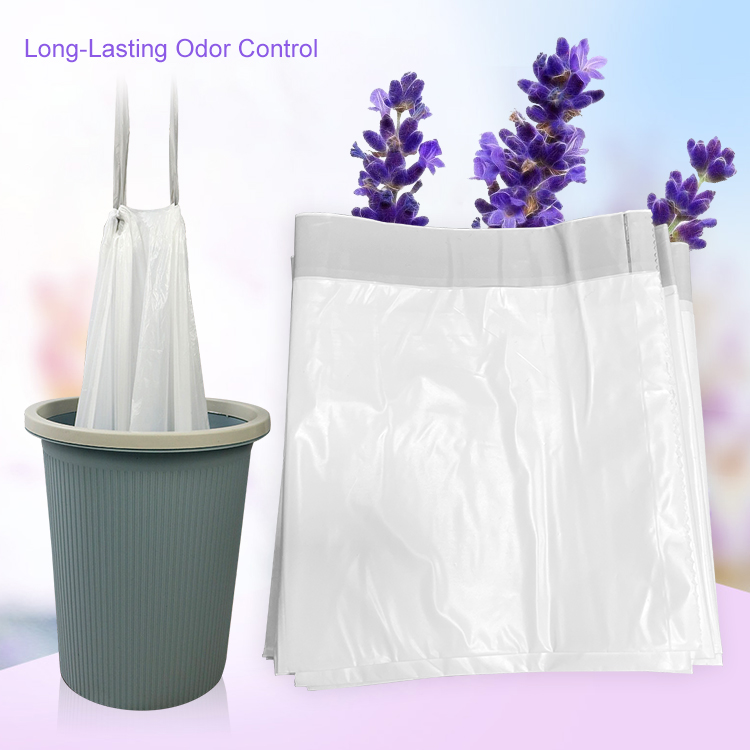
Scented garbage bags have become increasingly popular among households seeking to control odors in kitchens, bathrooms, and nurseries. The pleasant fragrance that masks decomposing waste smells can make daily trash management more tolerable, but it also raises legitimate questions about chemical safety, particularly for families with children, pets, or members with respiratory sensitivities. Understanding what goes into scented garbage bags, how fragrances are applied, and what regulatory standards govern their safety helps consumers make informed decisions about whether these products are appropriate for their homes.
How Scented Garbage Bags Are Made
Scented garbage bags are manufactured by incorporating fragrance compounds into the polyethylene film during the extrusion process or by applying a fragrance coating to the finished bag surface. The extrusion method embeds the fragrance within the film layers, providing a slower, more controlled release of scent that lasts throughout the bag's use. Surface-applied fragrances tend to dissipate more quickly but allow for stronger initial scent intensity. The base bag itself is manufactured from polyethylene resins that meet the same material standards as unscented bags. The fragrance component is typically a proprietary blend of aromatic compounds designed to be stable at room temperature and safe for incidental skin contact during normal handling. Manufacturers producing scented variants of their garbage bag lines must ensure that the fragrance additives do not compromise the physical properties of the bag, such as tensile strength, tear resistance, and seal integrity.
Chemical Composition and Safety Standards
The safety of scented garbage bags depends on the specific fragrance compounds used and the regulatory framework under which they are manufactured. Fragrance formulations in consumer products are subject to different levels of regulation across global markets. In the European Union, fragrance ingredients used in consumer articles fall under the REACH regulation, which requires manufacturers to register and evaluate the safety of chemical substances. Products bearing the CE mark indicate conformity with EU health and safety requirements. In the United States, fragrances in household products are generally regulated under the Consumer Product Safety Commission framework, though specific fragrance ingredients are not required to be individually listed on packaging. Responsible manufacturers obtain safety data sheets for their fragrance suppliers and maintain quality management systems such as ISO 9001 to ensure consistent, controlled production processes.
Potential Sensitivities and Considerations for Sensitive Groups
For most consumers, scented garbage bags present negligible health risk when used as directed. The fragrance concentration in a typical scented garbage bag is low, and exposure occurs primarily through brief handling when changing the bag. However, certain groups may experience sensitivity reactions. Individuals with fragrance allergies, asthma, or multiple chemical sensitivity may experience respiratory irritation, headache, or skin reactions upon exposure to scented products. Households with infants, whose respiratory and immune systems are still developing, may prefer unscented alternatives as a precautionary measure. Pet owners should also consider that dogs and cats have a sense of smell far more acute than humans, and strong fragrances can be irritating to them. For households in any of these categories, unscented garbage bags remain the safest default choice. For others, selecting bags from manufacturers that comply with recognized safety standards provides a reasonable level of assurance.
Reading Labels and Identifying Quality Products
When evaluating scented garbage bags, consumers should look beyond marketing claims and examine available product information. Key indicators of quality include manufacturer certifications such as ISO 9001 for quality management and compliance marks such as CE, REACH, and RoHS that confirm material safety. The RoHS directive, originally focused on electronics, has broader implications for restricting hazardous substances in consumer products and signals a manufacturer's commitment to material safety. Some manufacturers also offer scented garbage bags with additional functional properties such as antibacterial treatments or biodegradable formulations, which address multiple consumer concerns simultaneously. SUNHO Packing, for example, manufactures garbage bags that are available with scented, antibacterial, and biodegradable options, produced under ISO 9001 certified quality management with REACH and RoHS compliance.
Practical Usage Tips for Scented Garbage Bags
Proper usage practices can maximize the benefits of scented garbage bags while minimizing any potential concerns. Scented bags work best when used in covered trash bins that contain the fragrance and prevent it from dissipating into the room unnecessarily. For maximum odor control, scented bags should be paired with regular bin cleaning and prompt waste disposal rather than being relied upon as the sole odor management strategy. The fragrance in scented garbage bags is designed to mask odors, not to neutralize the bacteria that cause them. In warm weather or when disposing of particularly odorous waste such as seafood or meat packaging, taking the trash out more frequently remains the most effective approach. Consumers who notice any respiratory irritation or skin sensitivity when using scented bags should discontinue use and switch to unscented alternatives.
Environmental Considerations and Biodegradable Options
Beyond personal safety, some consumers are concerned about the environmental impact of fragrance additives in garbage bags. Synthetic fragrances can contribute to indoor air pollution and, when bags are disposed of in landfills, fragrance compounds may leach into the environment over time. For environmentally conscious consumers, biodegradable scented garbage bags represent a middle-ground option. These bags are formulated to break down more readily in landfill conditions while still offering the odor control benefits of fragrance. However, consumers should verify that biodegradable claims are supported by recognized standards such as ASTM D6400 or EN 13432, as the term biodegradable is not uniformly regulated across all markets. Manufacturers that disclose their material composition and testing standards provide greater transparency for consumers making sustainability-conscious purchasing decisions.
Questions and Answers
Are scented garbage bags safe to use in a nursery or baby's room?
While scented garbage bags that meet REACH and other safety standards present low risk for general adult use, the precautionary principle suggests using unscented bags in nurseries and children's rooms. Infants have developing respiratory systems and may be more sensitive to airborne fragrance compounds.
Can the fragrance in scented garbage bags trigger allergies?
Yes, individuals with fragrance allergies or chemical sensitivities may experience reactions such as sneezing, headache, or skin irritation when handling scented garbage bags. If you or a family member has a known fragrance sensitivity, unscented bags are the safer choice.
Do scented garbage bags lose their fragrance over time?
Yes, the fragrance in scented garbage bags gradually diminishes over time, particularly if the bag package has been opened and exposed to air. For best results, use scented bags within a few months of opening the package and store unopened packages in a cool, dry place away from direct sunlight.
Table of Contents
- How Scented Garbage Bags Are Made
- Chemical Composition and Safety Standards
- Potential Sensitivities and Considerations for Sensitive Groups
- Reading Labels and Identifying Quality Products
- Practical Usage Tips for Scented Garbage Bags
- Environmental Considerations and Biodegradable Options
- Questions and Answers