
 EN
EN
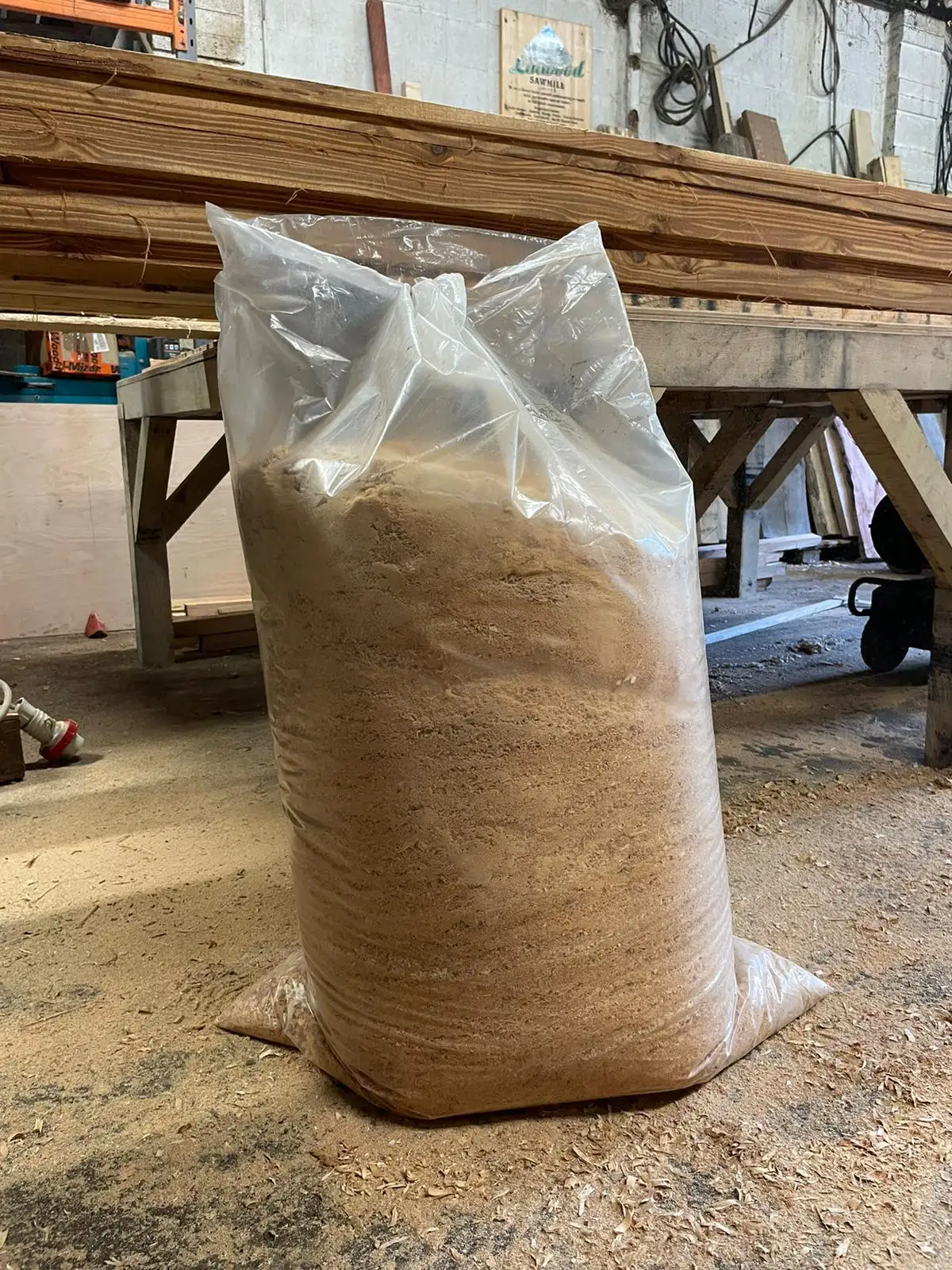
Contractor bags are one of the most versatile heavy-duty plastic bags on the market, but buyers often encounter confusion about whether they are appropriate for yard waste disposal — and whether yard waste disposal is even their primary intended application. The answer depends on the specification of the bag, the local waste collection regulations, and how yard waste is being handled: bagged for curbside pickup, transported to a composting facility, or managed on-site. This guide covers what contractor bags are, how their specifications compare to standard yard waste bags, and what procurement teams and facilities managers should verify before sourcing.
What Are Contractor Bags and How Are They Constructed
Contractor bags are heavy-duty polyethylene bags originally developed for use by construction and demolition crews handling sharp, irregular debris such as broken drywall, lumber scraps, concrete fragments, and metal off-cuts. Their defining characteristics are high film thickness — typically 2.5 to 3.0+ mil — and construction methods designed to handle loads ranging from 50 to 100+ lbs without seam failure. They are most commonly produced in black, with capacities ranging from 42 to 55 gallons, and with star-seal or flat-seal bottom construction.
The heavy-wall film of a contractor bag is primarily designed to resist puncture from sharp-edged debris rather than to maximize flexibility. Most contractor bags use a linear low-density polyethylene (LLDPE) or blended PE resin that provides a balance of strength and some elongation, enabling the bag to handle both rigid heavy loads and some degree of impact without immediate tearing. This combination makes them genuinely functional for yard waste — the question is whether their specifications are optimized for that application specifically, or whether a lower-cost yard waste bag would perform equally well for the same task.
Yard Waste Characteristics and What They Demand from a Bag
Yard waste is biomass: grass clippings, leaves, branches, hedge trimmings, soil, and garden debris. It does not typically include the rigid, sharp-edged materials that define contractor bag use cases. However, yard waste does present its own load challenges: it is often wet and heavy, branches and pruned stems can include pointed cuts, and loads for a full bag of garden debris can easily reach 30 to 50+ lbs.
A standard yard waste bag rated at 1.5 to 2.0 mil handles most residential garden cleanup applications adequately. For heavier commercial landscaping loads — large volumes of wet mulch, bulk soil, or pruned timber branches — a contractor-grade bag at 2.5 mil or above provides a meaningful reduction in tearing risk during filling and transport. The contractor bag's thicker wall and star-seal construction are directly relevant when a bag is dragged across pavement, lifted by the corners, or compressed into a collection vehicle.
For buyers making a specification decision, the right question is not "can contractor bags handle yard waste" (they can) but "does the yard waste application require contractor bag specifications, or is a lighter-grade bag sufficient?"
Regulatory Considerations: Bag Specifications and Curbside Pickup
An important practical dimension for residential and commercial users is that many municipal waste management and composting programs specify or restrict the type of bag acceptable for yard waste curbside pickup. Some programs require paper bags or certified compostable plastic bags rather than standard polyethylene — because conventional PE bags, including contractor bags, are not compostable and will contaminate a composting batch if not removed.
For curbside programs that accept plastic bags, there is typically no restriction on using contractor bags for yard waste as long as the bag fits within the program's weight and volume limits. However, for programs that require compostable packaging, a contractor bag — regardless of its performance characteristics — would not be compliant. Procurement teams sourcing yard waste bags for facilities that contribute to municipal composting streams should verify local program requirements before defaulting to contractor bag specifications.
For on-site yard waste management — collection, transport to a skip, or temporary storage before disposal — contractor bags are a practical and commonly used solution, and regulatory constraints generally do not apply.
Application Example: Landscaping Contractor Evaluating Bag Specifications
Consider a commercial landscaping company that handles both residential maintenance accounts and large-scale commercial property cleanup contracts. For residential leaf and grass clipping work, the crew uses standard 1.5 mil LDPE yard waste bags — sufficient for the loads involved and cost-effective at the volume required.
For commercial contracts that include clearing large volumes of wet mulch, root balls, and branch trimmings from construction-adjacent landscaping, the crew upgraded to 3.0 mil contractor bags. The primary reason was not the weight per bag but the handling conditions: bags are dragged across gravel, lifted and stacked in a truck bed, and sometimes left on-site for a day in direct sun before pickup. Under these conditions, a 1.5 mil bag failed at the seams and corners at an unacceptable rate. The move to contractor-grade specification reduced bag failures on these commercial contracts and removed the secondary cost of double-bagging or replacing split bags on-site.
The cost difference per bag was offset by the elimination of failures and the labor saved from not having to repack split loads. This kind of specification-versus-cost analysis is the practical decision framework that landscaping procurement managers should apply, rather than simply defaulting to the thickest available bag for all applications.
What to Verify When Sourcing Contractor Bags for Outdoor Use
For facilities or landscaping companies sourcing contractor bags in volume, key specification points include: confirmed thickness in mils (not just a qualitative description such as 'heavy duty'), load rating in lbs, seal construction type (star seal preferred for heavy and irregular loads), and UV stabilization if bags will be stored outdoors in sunlight before disposal. Color is also a functional consideration: black contractor bags provide UV protection to the contents and are the standard in North American markets, while clear bags are sometimes required for certain recycling or monitoring programs.
For buyers sourcing from overseas manufacturers, REACH and RoHS compliance documentation confirms that the film materials meet international chemical safety standards — a relevant checkpoint for bags used in environments where workers have prolonged contact with packaging materials. ISO 9001:2015 certification indicates consistent quality management across production runs, which reduces batch-to-batch variation in thickness and seal quality.
SUNHO Packing (Guangdong Sanhe Packaging Products Co., Ltd.) produces industrial bags including contractor-grade specifications at 2.5 to 3.0+ mil with star-seal bottom construction and load ratings up to 100+ lbs. Direct factory sourcing from a manufacturer with documented production capacity (2 million units per day) and quality certifications (ISO 9001:2015, REACH, RoHS) can reduce unit cost by 20–40% compared to distributor pricing — a relevant consideration for landscaping companies or facilities with high ongoing consumption of contractor-grade bags.
Frequently Asked Questions
Q: Are contractor bags suitable for municipal yard waste composting programs?
A: Standard polyethylene contractor bags, including LLDPE and HDPE formulations, are not compostable and are not accepted in municipal composting programs that require certified compostable or paper packaging. If your waste management program requires compostable bags for yard waste, you should source specifically certified compostable bags rather than standard contractor bags. For on-site disposal or programs that accept standard plastic bags, contractor bags are fully functional.
Q: What thickness contractor bag is sufficient for heavy landscaping loads?
A: For most commercial landscaping applications involving wet mulch, root balls, and branch trimmings with loads up to 50–70 lbs, a contractor bag rated at 2.5 to 3.0 mil with star-seal construction is appropriate. For loads above 70 lbs or in conditions involving significant abrasion (dragging over gravel or rough surfaces), 3.0 mil or above is the more appropriate specification. When requesting quotes, confirm both the stated mil thickness and the seal type from the supplier.
Q: Can I use contractor bags for recycling or general waste alongside yard waste?
A: Contractor bags are not application-specific — their heavy-wall construction makes them suitable for any high-load, puncture-risk waste stream, including renovation debris, industrial cleanup, and heavy general waste. The only regulatory consideration is whether your local waste management program imposes specific requirements on bags used for curbside collection. For privately disposed waste (skips, transfer stations, on-site collection), there are generally no restrictions on bag type.
Table of Contents
- What Are Contractor Bags and How Are They Constructed
- Yard Waste Characteristics and What They Demand from a Bag
- Regulatory Considerations: Bag Specifications and Curbside Pickup
- Application Example: Landscaping Contractor Evaluating Bag Specifications
- What to Verify When Sourcing Contractor Bags for Outdoor Use
- Frequently Asked Questions