
 EN
EN
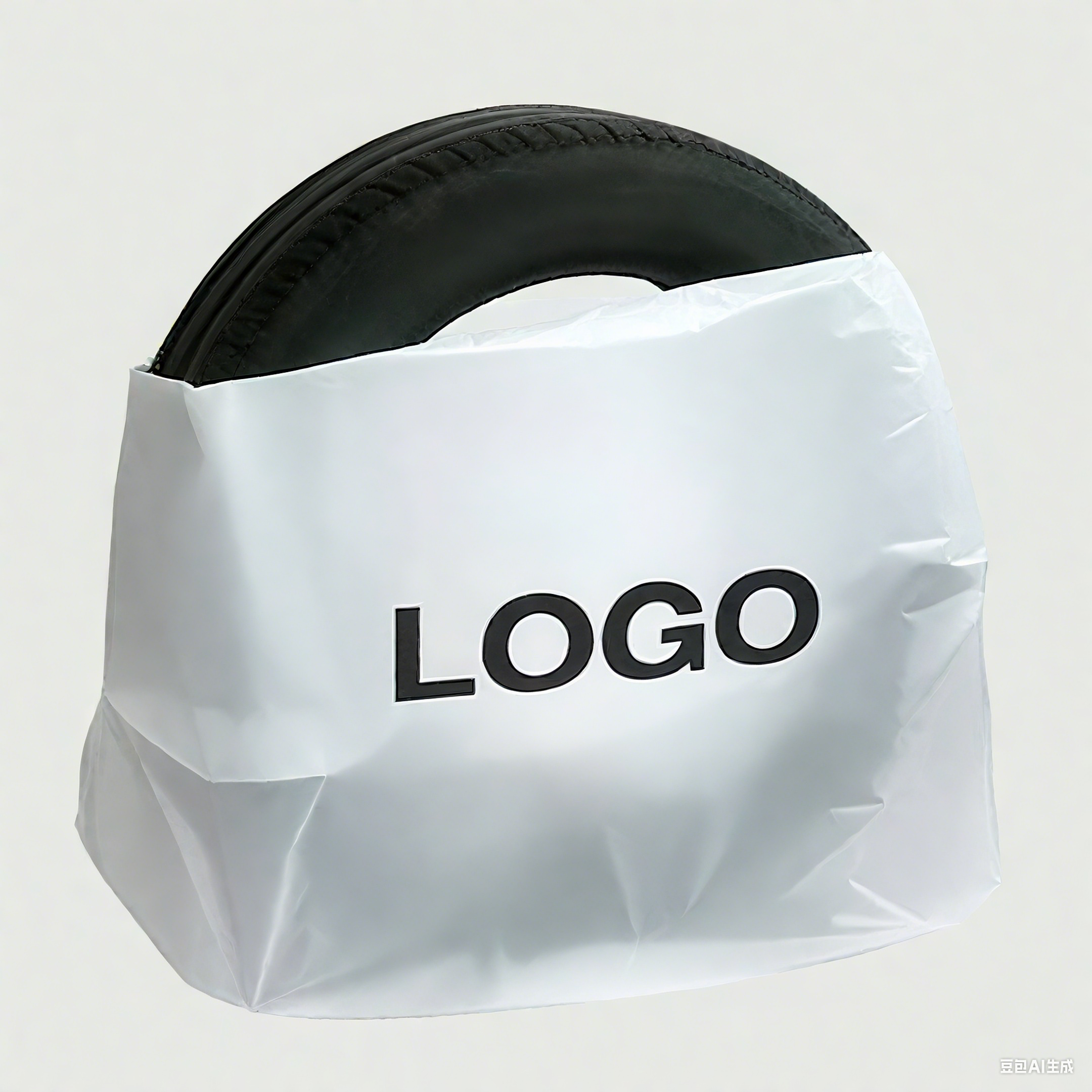
ለምን የረዳት ቦታዎች የሮብበር የግድያ ሂደትን በአፍ-ሴዝን ማከማቻ ወቅት ይከላከላሉ
የአልትራቫዮሌት ካልስ፣ ኦዞን፣ ማይ እና የሙቀት መጠን፡ የረዳት ዕድሜ መጨመር የሚያስገኝ ዋና አራት ምክንያቶች
የዘመናዊ የተራንስፖርት መሳሪያ እቃዎችን በክፍል ላይ ሳይሸከም ማስቀመጥ በብዙ ነገሮች ምክንያት የእነዚህ እቃዎች የሚከሰቱበትን ፍጥነት ይጨምራል። የፀሐይ ብርሃን የሚባለውን ፎቶ-ኦክስዳሽን ያስከትላል፣ ይህም በመሠረቱ የሩበር መለኪያዎችን ያበላሻል እስከ በውስጣቸው ግድግዳ ላይ ትኩስ መፈጠር እና የחומרים ጥንካሬ ማጠፋት ድረስ። ከዚያም በአየር ውስጥ ያለው ኦዞን የሩበርን ያደርገዋል፣ በተለይም የተራንስፖርት መሳሪያ እቃዎች በማከማቻ ጊዜ በማንኛውም ነገር ላይ ተጠቅመው የተጠበቀበት ቦታ ላይ ይታያል። እነዚህ ትኩሶች በጊዜ ምክንያት በጣም ይበከስሉ እስከ የተጠበቀ ድረስ። ውሃ ሌላ ችግር ነው ምክንያቱም ውሃ የተራንስፖርት መሳሪያ እቃዎች ውስጥ ያሉትን የብረት ቅንጣቢዎች ላይ የዝናብ ምልክት ያስከትላል እና የሞልድ አድስት ያስከትላል፣ ሁለቱም የሩበር መዋቅር ላይ ጥሩ የማይሆኑ ናቸው። ግቤቱ በየቀኑ በ50 ዲግሪ ፋሬንሃይት በላይ የሚለወጥ ከሆነ፣ በተደጋጋሚ የሚስፋፋ እና የሚቀነስ ሂደት በክምችት ምክንያት የእድሜ መጨመርን ያፓነሳል። በሁሉም ምክንያት የተራንስፖርት መሳሪያ እቃዎችን የማይጠበቀ ማከማቻ የእነዚህ እቃዎች ዕድሜን 20 እስከ 35 በመቶ ይቀንሳል። ይህ ምክንያት ነው የብዙ ሰዎች አሁን በASTM ደረጃዎች የተፈቀደ የተራንስፖርት መሳሪያ እቃዎች የማከማቻ ቦኮሎችን መጠቀም የጀመሩት፤ እነዚህ ቦኮሎች ከላይ የተጠቀሰውን ሁሉ የሚያበላሻ ነገር ከተራንስፖርት መሳሪያ እቃዎች ያስከትሉ የማይገባ መከላከያ ይፈጥራሉ፣ እና በችግሩ መነሻ ቦታ ላይ በተራንስፖርት መሳሪያ እቃዎች ላይ ጥሩ የማይሆኑ ተጽዕኖዎችን ከመከላከል ይረዳሉ።
እንዴት የASTM D1149 እና SAE J2236 ፈተናዎች የጭነት ቦርሳ አፈፃፀም ያረጋግጣሉ
የማኑፋክቸሮች ከፍተኛ ስራ የሚሰጡ የታይር ቦርሳዎችን በኢንዱስትሪ ደረጃዎች ይፈተናሉ፣ ይህም በመሰረቱ የአየር ሁኔታ ጥፋት ዓመታትን በላቦራቶሪ ውስጥ በከፍተኛ ፍጥነት ወደ አንድ ወEEK ያቀናባል። ለምሳሌ ASTM D1149 በግምት 50 እስከ 100 ክፍሎች በሁለት መቶ ሚሊዮን ክፍሎች የኦዞን ደረጃ እና በግምት 104 ዲግሪ ፋሬንሃይት የሙቀት ደረጃ ላይ የחומריםን ይፈተናል። በተለይ የተወሰነው የቁሳቁስ የፀሐይ ቅስቀሳትን መቋቋም አቅም ነው፣ ምክንያቱም እነዚህ ትንሽ ትресures በየጊዜው የታይር ጎን ክፍሎች ላይ ትልቅ ችግሮችን ሊፈጥሩ ይችላሉ። ከዚያም SAE J2236 የቦርሳዎች በእውነተኛ ሁኔታ በሚንቀሳቀሱ እና በሚታገሉ ጊዜ እንዴ ይቆያሉ ይፈተናል፣ ይህም በእውነተኛ ሕይወት ውስጥ በታይር በተደጋጋሚ የሚሰራ ነው። የተሻለው ጥራት ያላቸው ቦርሳዎች በ20% በላይ ሲዘረጉ እንኳ ትንሽ ቅስቀሳት አያሳዩም። ከእነዚህ ፈተናዎች በላይ የማኑፋክቸሮች እንዲሁ የዩቪ ቢ የበረዶ ጾዳ የማይፈጥር ባህሪን በ ASTM G154 መመሪያዎች በኩል ይፈተናሉ፣ ይህም በሴኖን አርክ ፈተና ውስጥ ከ 5,000 ሰዓታት በላይ ይቆያል። የውሃ አይነት የተወሰደ ትንሽ በስፋት የሚፈሳ ብዛት በአንድ ሜትር ስኩዌር በአንድ ቀን ውስጥ 0.1 ግራም በታች ይቆያል፣ እና የቦርሳዎች ስራ በከፍተኛ ሙቀት እና በዝቅተኛ ሙቀት ውስጥ በተረጋጋ ሁኔታ ይሰራል፣ ከ ሚናስ 22 ዲግሪ ፋሬንሃይት እስከ 140 ዲግሪ ፋሬንሃይት ድረስ። እነዚህ ሁሉ ፈተናዎች አስፈላጊ ናቸው ምክንያቱም የተስማማ ቦርሳዎች በታይር በተዋቀረ ሁኔታ ላይ የሚገኘውን የኦክስጅን ማጣመር ፍጥነት በ90% ያቀንሳሉ። ይህ ማለት የራብበር በረጅም ጊዜ የሚቆይ ትንሽ ትንሽ የሚታገል እና የስራ አቅሙን ይጠብቃል፣ እና በታይር በማያገለግል ጊዜ የሥርዓቱን መዋቅር ይጠብቃል።
የትክክለኛውን የጎማ ቦርሳዎች መምረጥ: የካሬው አይነት፣ የስፋቱ እና የአልትራ ቪዮሌት (UV) ጾታ የተገለጸው
ፖሊኤቲሊን በተመሳሳይ የፖሊፕሮፒሊን: የተፈጥሯዊ ባህሪያት እና የአልትራ ቪዮሌት (UV) ተከላካይነት ሲነጻጸር
የፖሊኤታሌን በጣም ጥሩ የሆነ የውሃ መከላከያ እንደሆነ ምክንያቱ እንዲህ ነው፡ እሱ የውሃ ቅፅል በተመሳሳይ ሁኔታ በተቀመጠ በስብስብ የሚገድበው ነው። ይህ የራበር መበላሽትን እና የቤልቶች በአጠቃላይ በወቅት የሚከሰቱ ኮሮዢን ማቆም ይረዳል። ፖሊፕሮፒለን እንዲሁ በክيميካላዊ ነገሮች ተስማሚ ይሆናል፣ ነገር ግን አንድ ጥያቄ አለ። በማኑፋክቸሪንግ ወቅት ካርቦን ቢላክ ያሉ የዩቪ ቢ መረዳጃዎች ካልተጨመሩ በስолнላይት የተነፈገ በኩል ይበላሽታል እና በሙሉ የሚበረዶ ይሆናል። ፖሊኤታሌን የሚለየው ግን ከ -50 ዲግሪ ፋሬንሃይት (ከአንድ ልዩነት ጋር) እስከ በጣም ድንቅ ሁኔታዎች ድረስ (ከ180F ጋር) የሙቀት ለውጦች ሲኖሩ እንደገና የሚቆይ የሆነ ትክክለኛ ትክክለኛነት ነው። ይህ ማለት የኦዞን በፍርቁር የሚገባ በኩል በጎማዎች ዙሪያ የሚያስከትለው የጎማ ጎን በመጀመሪያ ላይ የሚከሰቱ ፀረገ ማቆም ይረዳል። በሌላ стороны፣ በትክክል የዩቪ ቢ ጥበቃ የሌለው በአጠቃላይ ፖሊፕሮፒለን በ የአንድ መስኮት ጎን ወይም በግልጽ ፖሊሜር ሻድስ ውስጥ በማከማቻ በጣም የሚበላሽ ይሆናል። በረጅም ጊዜ የሚቆይ የሆነ የተረጋገጠ የሆነ አገልግሎት ከመመልከት በኩል፣ በብዙ ሰዎች አስተያየት ፖሊኤታሌን የተፈጥሮ የውሃ ቅፅል መከላከያ እና የሙቀት ለውጦችን መቋቋም ችሎታ በተዘዋዋሪ ዘመን ውስጥ የציוד ማከማቻ የሚያስችለው በጣም ጥሩ አማራጭ ነው።
ዋስትና የሚያስፈልጉ የተገለጸው ባህሪያት፡ 6-ሚል ትኳን እና የአልትራቮይሌት (UV) መከላከያ አካላት (ለምሳሌ፣ ካርቦን ቢላክ) እና ASTM ተስማሚ ማስተዳደሪያ ዲዛይን
የተረጋገጠው የተገለጸው ባህሪያት የተመሰረተ በእውነታ የሚሆኑ የጎማ ቦርሳዎችን ከተሳሳተ ምርቶች ይለያል፡
- 6-ሚል ትኳን ፡ ከሽልፍ ጎኖች ወይም ከተሰበሰቡ ጎማዎች ጋር የሚከሰቱ ቀዳዳዎችን ለመከላከል ይረዳል፣ በተጨማሪም የደህንነት የሚፈቅድ የብርሃን መስራት ይፈቅዳል—ጥንካሬ ያለው ቦርሳ (ከ4 ሚል በታች) በማስተዳደር ጊዜ ሞለኪውላር ቀዳዳዎችን ሊፈጥር ይችላል፣ ይህም የጎማ አካል ወደ ኦክስጅን እና ወደ አየር ሙቀት ይፈታል።
- ዩቬ አቃጂዎች የካርቦን ቢላክ ክፍልፎች 99.7% የአልትራ ቪዮሌት (UV) ምላሽ ያስነሱ፣ ይህም የጠርዝ ቅ cứng እና የእረፍት ኃይል እንቅልፍ የሚያስከትለውን ፋቶኬሚካል የተበደሉትን ያቆማል። የማይቀመጡ የሰማያዊ ቀለም ቦታዎች ምላሽ የሚሰጡት የ UV ኃይል እስከ 80% ድረስ ይጨምራሉ።
- ASTM G154-ተስማሚ ማስተዳደሪያዎች ፡ በሙቀት የተገናኙ የተከታታይ ማስተዳደሪያዎች የአየር ልውውጥ መንገዶችን ያስወግዳሉ—የተለመዱ የተጠብቁ ማስተዳደሪያዎች የአካባቢ ኦዞን ውስጥ መግባት ይፈቅዳሉ፣ ይህም በማከማቻ ወቅት የጎማ ውስጥ የሚከሰቱ ቀዳዳዎች ዋነኛ ምክንያት ነው።
ሁልጊዜ የሶስተኛ ወገን ASTM የማረጋገጫ ማስረጃዎችን በመግዛት በፊት ያረጋግጡ። የተከበረ የምርት ምርታዎች የD1149፣ J2236 እና G154 የሚከተሉ የፈተና ሪፖርቶችን ይሰጣሉ—የማይገባ የማርኬቲንግ ጥሪዎች ብቻ አይደሉም።
የቁስል ማከማቻ የአሰራር ስልተ ቀመር ከፍተኛ የሕይወት ዘመን እስክያደርጉ ድረስ
በቀድሞ ማከማቻ የውሂብ መዘወር: ማጽዳት፣ ማነቆች፣ የእሳት ግፊት ማስተካከል እና ማለቂያ
በመጀመሪያ ጎማዎቹን በንጹሕ ውሃና በፒኤች ገለልተኛ በሆነ ሳሙና በደንብ ታጠብ፤ ይህም ከመንገድ ላይ የሚጣለውን ጨው፣ የፍሬን አቧራና አጠቃላይ ቆሻሻ ያስወግዳል። እነዚህ የሚቧጩ ቅንጣቶች በጊዜ ሂደት የኦክሳይድ ጉዳትን ሊያፋጥኑ ይችላሉ። ከታጠበ በኋላ ሁሉንም ነገር በደንብ ማጠብ እና ጎማዎቹ ጥሩ የአየር ፍሰት ባለበት ጥላ ቦታ ሙሉ በሙሉ እንዲደርቁ ማድረግ አለብዎት። እዚህ ላይ እየተነጋገርን ያለነው ቢያንስ ለ48 ሰዓታት ስለመሆን ነው ምክንያቱም የቀረው እርጥበት የጎን ግድግዳዎች ላይ ስንጥቆች ሊያስከትል ይችላል እንዲሁም ሻጋታ ወይም ባክቴሪያ ሊያድግ ይችላል። የዋጋ ግሽበት ሲመጣ፣ ከተለመደው በላይ 10 እስከ 15 ፓሲ ከፍ አድርጉ። የጉልበት መከላከያ እያንዳንዱን ጎማ ከየት እንደመጣ በግልጽ ምልክት ማድረግዎን አይርሱ፣ ለምሳሌ LF ለግራ ፊት ለፊት፣ ትክክል? ይህን በሁለቱም በደረጃው ላይ እና በሚያከማቹበት ከረጢት ውጭ ይጻፉ። ከጊዜ በኋላ መልሶ ማዞር ቀላል እንዲሆን ያደርጋል እንዲሁም የተለያዩ አቀማመጦች በሸካራነት ላይ ምን ተጽዕኖ እንደሚያሳድሩ ለመከታተል ይረዳል። በመጨረሻም የቫልቭ ጡቦች ላይ የሚገኝን ድንጋይ ወይም ቆሻሻ በጥንቃቄ ተመልከት። የኦዞን መጠን በኦዞን ውስጥ እንዲገባና ውስጣዊውን ሽፋን ከወትሮው በሦስት እጥፍ በፍጥነት እንዲበላ ያደርገዋል
የማስተካከል፣ የማሰባሰብ እና የማገናገንያ ቦታ የተሻለ ዘዴዎች (ቀዝቃዛ፣ ያበረታታ እና ያለ ብርሃን የሆነ እና ከፋይሎር ስራ ውጭ)
እነዚህን የመያዣ ከረጢቶች በሚያዘጋጁበት ጊዜ አየርና እርጥበት እንዳይገቡ ጥሩ ማኅተም እንዲፈጥሩ በዙሪያቸው ያሉትን ጠርዞች በጥብቅ መጫን ይጠበቅባቸዋል። ተጨማሪ ጥበቃ ትፈልጋለህ? ቀጥልና በሸራው ላይ አንዳንድ UV መቋቋም የሚችል ቴፕንም አሂድ። እነዚህ ተደራቢ ጎማዎች በኮንክሪት ወለል ላይ ሳይሆን በእንጨት ላይ ይቀመጡ፤ ምክንያቱም ኮንክሪት እርጥበትን ስለሚስብና ቀዝቃዛውን በቀጥታ ወደ ጎማው ስለሚያስገባው ከASTM መስፈርቶች አንጻር ከተለመደው በላይ በፍጥነት ይገፋል ማለት ነው። ከ4 ጎማዎች በላይ ቁመት የሌላቸው እርከኖችን ይያዙ፣ የጉዞውን ቅርፅ ያለ ምንም ማዛባት በጥሩ ሁኔታ ያቀናጁ፣ ምክንያቱም የተሳሳተ አቀማመጥ ከጊዜ በኋላ ቅርጹን ሊያዛባ ይችላል። ከ25 ዲግሪ ሴንቲግሬድ በታች ወይም 77 ፋራናይት በታች፣ እርጥበት ከ40 እስከ 50 በመቶ የሚደርስ እንዲሁም ከብርሃን ርቆ መቀመጥ ይኖርበታል። ከ25 ዲግሪ በላይ የሆነ እያንዳንዱ የ10 ዲግሪ ጭማሪ የኦክሳይድ ሂደት ያፋጥናል። እርጥበት የሚቀረው ነገር ሁሉ እንዲጠልቅ ለማድረግ በእያንዳንዱ ቦርሳ ውስጥ አንዳንድ የማድረቂያ ጥቅሎችን መጣልዎን አይርሱ። የመሬት ውስጥ ክፍተቶች ከወትሮው ጋራዥ ቦታዎች በተሻለ ሁኔታ ይሰራሉ፣ እዚያም የሙቀት መጠኑ ከቀን ወደ ቀን በከፍተኛ ሁኔታ ይለዋወጣል፤ አንዳንድ ጊዜ ከ30 ዲግሪ ፋርናይት በላይ ይለዋወጣል፤ ይህም የሙቀት መስፋፋትና መቀነስ ችግር ያስከትላል።
ተደጋጋሚ ጥያቄዎች
ለምን ናቸው የጎማ ቦታዎች ለአልተጠቀሙበት ዘመን ማከማቻ ጠቃሚ?
የጎማ ቦታዎች ለአልተጠቀሙበት ዘመን ማከማቻ አስፈላጊ ናቸው ምክንያቱም የጎማዎችን ከ UV ካርኖች፣ ኦዞን፣ ማይ እና የሙቀት ለውጥ ይጠብቃሉ—እነዚህ የጎማ ዕድሜ መጨመርን ያፀናቁ ምክንያቶች ናቸው።
የተለያዩ ፈተናዎች የጎማ ቦታዎች ውጤታማነት ለመረዳት ምን ያደርጋሉ?
ኦዞን የመቋቋም ፈተና እንደ ASTM D1149፣ የችሎታ ፈተና እንደ SAE J2236 እና UV የመቋቋም ፈተና እንደ ASTM G154 የጎማ ቦታዎች ውጤታማነት እና የረጅም ጊዜ ተጠቀም የሚያረጋግጡ ፈተናዎች ናቸው።
ለየጎማ ቦታዎች የተሻለው የባህሪ ነገር ምንድን ነው?
ፖሊኤቲሊን በተለይ ለማዕከላዊ አየር መከላከል ችሎታ እና የሙቀት ለውጦች መካከል ያለው የፍለጋ ችሎታ ምክንያት ይወዳል፣ በተقابل ደግሞ ፖሊፕሮፒሊን የ UV የመቋቋም አካላት (እንደ ካርቦን ቢላክ) ያስፈልጋል እንዲሁ የሚበላሽ አይደለም።
ለየጎማ ቦታዎች የዋስትና የሚያስፈልጋቸው የተለየ የተገለጸ ባህሪዎች ምንድን ናቸው?
የተሻለው የጎማ ቦታ በ6-ሚል ጥልቀት፣ UV የመቋቋም አካላት እንደ ካርቦን ቢላክ እና ASTM የሚስተካከል የሰሌዳ ዲዛይን ያለው ነው እንዲሁ ውጤታማ የመጠበቅ አቅም ያለው ነው።
በየጎማ ቦታዎች ላይ ሲደረግ ምን ያህ እርምጃዎች መከተል አለባቸው?
የተራቀቁን እና የተሰጡን የባህሪያት ማሽኖች ያስተካክሉ፣ የአየር ግፊቱን ያስተካክሉ፣ የማስከለያ ቦታዎችን በትክክል ይዝጉ፣ በትክክል ይደረሱ፣ እና በገላፀ እና በጨለማ የሚገኙ ቦታዎች ላይ ከፋብሪካው መሬት ስር ያስቀምጡ።