
 EN

Pallet covers only fit if the load was measured, and the most common ordering error is a cover bought for the pallet rather than for the load that sits on it. The gap between a cover that seals and one that splits at the corner sits in the height, the overhang, and the shape of the stack. Buyers who measure the load before ordering get pallet covers that protect instead of covers that tear. The guidance below covers real shipments, the failure modes of an unmeasured order, the engineering that holds, and a buyer checklist for pallet protection.
Real-World Industry Case / Scenario
A Shipper That Measured the Height
A shipper ordered pallet covers against the pallet footprint and found they were too short for the stacked cartons, so the top was exposed and the cover split at the corner. Measuring the load height and the overhang produced a cover that sealed. The buyer learned that the load sets the size, and that pallet covers ordered on the pallet dimensions fail on the stack.
A pallet covers that matches the site and the user group pays for itself through repeat use and fewer repairs.
A documented care routine keeps the pallet covers within its rated load and extends its working life.
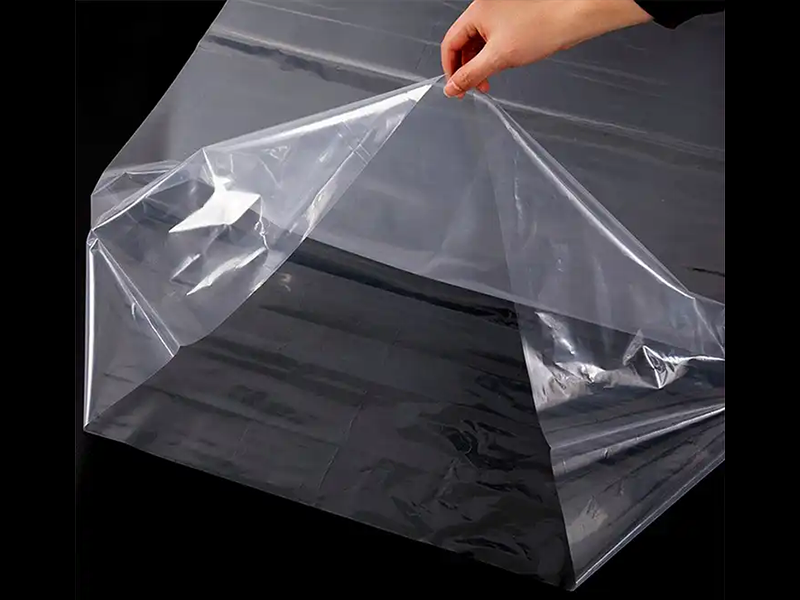
A Warehouse That Standardised the Range
A warehouse carried pallet covers in three sizes for a load profile that varied constantly, so the wrong size was used most shifts. Measuring the real load range and rationalising the sizes to match ended the waste. The buyer learned that a measured load profile turns pallet covers from a guess into a stock decision.
Operators who log each pallet covers after every event catch small faults before they become safety issues.
Re-measure when the load profile changes. A pallet cover sized for last year's stack splits when the carton height changes, so the measurement should be repeated after any packaging change. Buyers who re-measure after a change avoid the split that a stale dimension produces.
Risk & Failure Mode Analysis
Splits at the Corner and the Seam
The dominant failure is a split at the corner or the seam, because a cover that is too tight for the load concentrates the stress at exactly the point that carries it. A cover ordered without the load measurement is either too tight and splits or too loose and does not protect. The fix is to measure the height, the width, and the overhang, because pallet covers sized to the load survive the handling that a guessed size does not.
The pallet covers remains a strong choice where foot traffic is high and supervision is active.
The pallet covers performs best when the buyer treats setup and takedown as part of the product, not an afterthought.
Exposure and Contamination
A second risk is exposure, since a cover that does not reach the base or does not close at the top leaves the load open to dust and moisture. A pallet cover that protects the sides and leaves the top exposed fails the purpose it was bought for. The buyer should confirm the closure and the drop, because pallet protection that does not seal is decoration rather than function.
Choosing the right pallet covers starts with the number of users and the surface it will sit on.
Check the cover against the strapping. A pallet cover that is not rated for the strap tension splits at the strap line, so the gauge should cover the load and the restraint. Buyers who specify the gauge for the strapped load get pallet protection that survives the journey.
Technical Principles & Standard Compliance
Height, Overhang, and Material Gauge
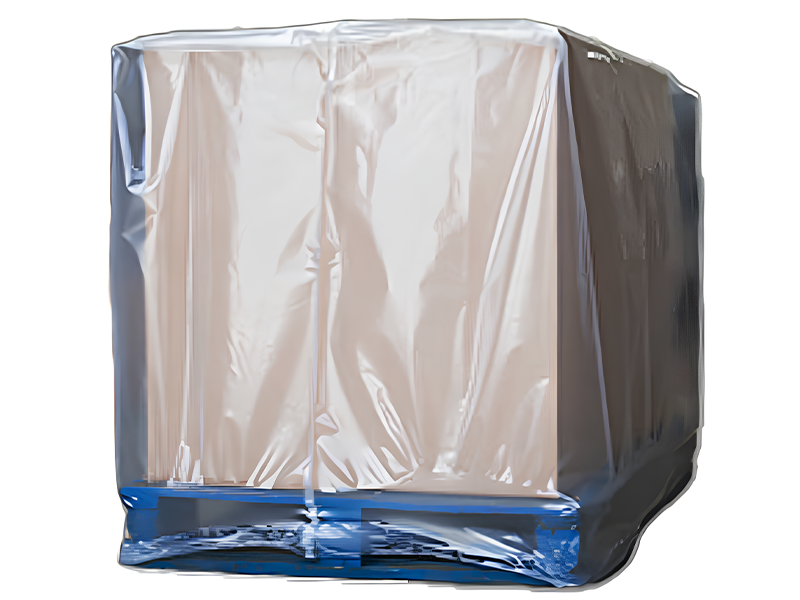
A pallet cover fits when the height, the overhang, and the gauge are specified against the load rather than against the pallet. Height is the variable most often missed, because a stacked load is taller than the pallet and a cover sized to the base leaves the top exposed. Overhang matters because a load wider than the pallet needs a cover with the extra width, and a cover sized to the footprint splits at the corner when the stack is wider. Gauge follows the weight and the handling, since a heavy load needs a heavier cover to survive the straps and the forklift contact. The closure should reach the base and seal at the top, because pallet protection that leaves a gap does not protect. Stretch covers suit loads that need a tight, conforming fit, while shrink covers give a smoother, more sealed finish where presentation matters, so the material choice follows the load and the journey. Buyers should also match the material to the environment, because a cover for outdoor storage needs more resistance than one for a dry domestic move. Specifying the height, the overhang, the gauge, and the closure together produces a cover that fits; specifying the pallet size alone produces one that tears.
A clean, dry pallet covers stores better and returns to service faster than one packed away wet.
Store the covers flat and dry. A cover stored folded in a damp corner develops weak points at the folds that fail under load. Buyers who store the stock properly get the life the specification promised from the pallet covers.
Actionable Buyer & Maintenance Guide
Measuring Before Ordering
Buyers should record the pallet footprint, the loaded height, the widest overhang, and the weight before ordering pallet covers, then confirm the gauge and the closure with the supplier. Suppliers of pallet covers such as Sunho provide a pallet protection plan that names height, width, gauge, and closure. The range should be rationalised against the measured load profile. Pallet covers sized to the measured load protect the shipment and stop the splits.
The pallet covers rewards buyers who weigh material and anchoring as highly as price.
Match the cover to the storage condition. A load going to outdoor storage needs more resistance than one moving straight into a dry warehouse, so the material should follow the destination. Buyers who match the cover to the condition avoid the failure that appears after weeks in the weather.
Frequently Asked Questions
Question 1: What should be measured before ordering?
Answer: The pallet footprint, the loaded height, the widest overhang, and the weight, because the load sets the size and the pallet only sets the base. A cover ordered on the pallet dimensions leaves the top exposed or splits at the corner. Buyers who measure the load get pallet covers that fit the stack.
Question 2: Why do covers split at the corner?
Answer: Covers split at the corner when they are too tight for the load, because the stress concentrates at the point that carries it. A cover sized without the overhang measurement is tight exactly where it should be loose. Buyers who specify the overhang avoid the split that a guessed size produces.
Question 3: How is the gauge chosen?
Answer: The gauge follows the weight and the handling, since a heavy load needs a heavier cover to survive the straps and the forklift contact. A light cover on a heavy load fails on the first move. Buyers should match the gauge to the heaviest load in the range, because pallet protection is judged by the worst load it carries.
Question 4: Can one size cover the whole range?
Answer: One size works only if the load profile is genuinely uniform, because a cover sized to the smallest load exposes the largest. Buyers should rationalise the range against the measured profile rather than guess. Pallet covers carried in the wrong size are used wrongly or not at all, which is why the measurement comes first.