
 EN
EN
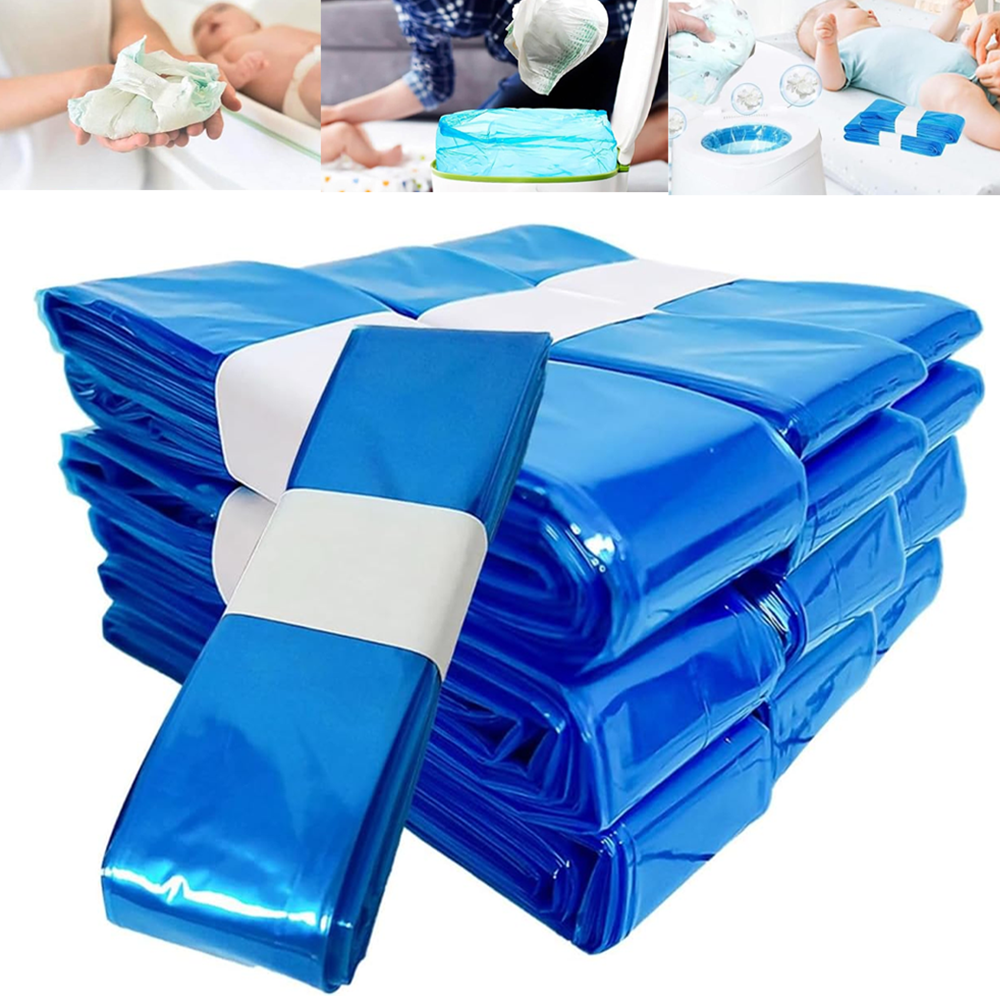
Real-World Experience With Diaper Pail Refills
A Daycare Switch That Saved Budget
A mid-size daycare in Ohio managed 14 diaper pails across four rooms. The director replaced name-brand cartridges with generic diaper pail refills after a supplier quoted 40 percent lower cost per roll. Within two weeks, staff logged fewer mid-change tears but reported weaker odor blocking near the toddler room. The trade-off showed up fast: lower spend, uneven performance. Diaper pail refills from the generic line fit the pail spindle, yet the film felt thinner between fingers. That hands-on test told more than any product photo on a listing page.
What Parents Notice After One Month
Home users who try generic diaper pail refills often describe the same pattern. The first roll works fine. By the third roll, sealing tabs loosen and the ring slips during refilling. One parent group survey noted that 6 of 10 households returned to branded options after experiencing a seal failure that dropped a loaded liner onto the nursery floor. Diaper pail refills are not all built to the same internal tolerance, and small mold differences between pail brands matter more than the label price suggests.
Where Generic Diaper Pail Refills Fall Short
Film Thickness and Seal Gaps
The most common failure in generic diaper pail refills is inconsistent gauge. A branded ring may run at 1.2 mil with tight control, while a generic product swings between 0.8 and 1.4 mil across the same box. Thin spots tear when pulled over a full pail. Diaper pail refills with loose tolerance let odors escape through micro-gaps at the seam. Thickness alone does not guarantee quality, but wild variation signals weak process control at the plant.
Scent and Odor Control Differences
Scented diaper pail refills rely on a fragrance layer laminated to the film. Generic versions sometimes use a stronger top scent to mask weakness rather than block smell at the molecular level. Within days, the fragrance fades and ammonia from soiled liners returns. Diaper pail refills that pair a carbon or baking-soda core with a tight seal hold odor longer than scent-only films. Buyers should judge by seal first, smell second, because scent hides failure instead of preventing it.
How Quality Refills Are Measured
ASTM D882 Tensile Testing
Reputable plants measure film strength with ASTM D882, the standard test method for tensile properties of thin plastic sheeting. The test reports yield and break strength in MPa and elongation at break. Diaper pail refills rated under this method show how much pull the film survives before tearing. A supplier that shares ASTM D882 data demonstrates process control. Generic importers rarely publish these numbers, which is itself a useful signal when comparing options on price alone.
CPSIA Rules for Nursery Products
Nursery items fall under the Consumer Product Safety Improvement Act (CPSIA), which limits lead and phthalates in products for children. Diaper pail refills contact a nursery environment, so compliant film should be phthalate-free and low in heavy metals. Branded lines typically certify this on the carton. Generic diaper pail refills may skip certification to cut cost. Requesting a CPSIA compliance letter protects the child and the buyer, and separates serious suppliers from bargain-only importers.
Choosing and Caring for Diaper Pail Refills
Match Gauge to Pail Model
Select diaper pail refills by checking the pail model number and the recommended mil. A standard pail needs 1.0 to 1.2 mil; a high-capacity model benefits from 1.4 mil or more. Verify the refill ring diameter against the spindle. Mismatched rings jam the crank and shred the film. Reputable suppliers such as Sunho publish compatible model lists so buyers avoid guesswork and reduce returns caused by fit errors.
Load, Store, and Rotate Correctly
Load diaper pail refills by seating the ring flat before closing the lid. Store spare rolls in a cool, dry cabinet away from sunlight, which embrittles polyethylene. Rotate stock so older rolls are used first. Inspect each refill for nicks before loading. These steps extend performance regardless of brand and reduce the chance of a mid-change failure that soils the nursery floor and creates extra laundry.
Frequently Asked Questions
Question: Do generic diaper pail refills fit all pail brands?
Answer: Generic diaper pail refills fit many pails but not all. Spindle diameter and ring depth differ by brand and model year. Check the model number against the refill spec before a bulk purchase. A wrong ring jams the crank and tears film. Buy a single test roll first to confirm fit, then order in volume once the match is verified and the seal holds under a full load.
Question: Are scented diaper pail refills safer than unscented?
Answer: Scent does not equal safety. Scented diaper pail refills mask odor but may add fragrance chemicals some children react to. Unscented, phthalate-free film with a tight seal controls smell through containment, not perfume. Choose unscented when a child shows skin or breathing sensitivity, and rely on frequent emptying plus a sealed lid for dependable odor control at home.
Question: How thick should diaper pail refills be?
Answer: Most household diaper pail refills run 1.0 to 1.4 mil. Lighter film tears under a full load; heavier film costs more but resists punctures. Match thickness to pail size and waste volume. ASTM D882 tensile data helps compare brands objectively. Avoid sub-0.8 mil products for daily nursery use where leaks create hygiene risk and extra cleaning work for caregivers.
Question: Can diaper pail refills be recycled?
Answer: Most diaper pail refills are polyethylene film and technically recyclable through store drop-off film programs, but soiled liners must be emptied first. Used refills holding waste are not curbside recyclable. Shake out contents, then take clean film to a plastic bag collection point. Check local rules, as film recycling programs vary by region and retailer participation changes over time.
Question: Why do diaper pail refills tear at the seam?
Answer: Seam tearing usually comes from low weld temperature during manufacturing or thin film at the seal line. Generic diaper pail refills with weak process control show this first. Pull the film gently after loading; if the seam stretches thin, discard the roll. Use a steady crank speed and avoid overfilling the pail past the marked fill line to protect the weld.
Question: How many diapers fit in one refill?
Answer: One refill of standard diaper pail refills holds roughly 200 to 300 diapers depending on size and compaction. Newborn diapers pack denser; toddler diapers fill faster. The pail fill line, not the roll, should guide changes. Empty the pail when the ring meets resistance, not when a count is reached, to prevent seal strain and unexpected liner drops.
Table of Contents
- Real-World Experience With Diaper Pail Refills
- Where Generic Diaper Pail Refills Fall Short
- How Quality Refills Are Measured
- Choosing and Caring for Diaper Pail Refills
-
Frequently Asked Questions
- Question: Do generic diaper pail refills fit all pail brands?
- Question: Are scented diaper pail refills safer than unscented?
- Question: How thick should diaper pail refills be?
- Question: Can diaper pail refills be recycled?
- Question: Why do diaper pail refills tear at the seam?
- Question: How many diapers fit in one refill?