
 EN
EN
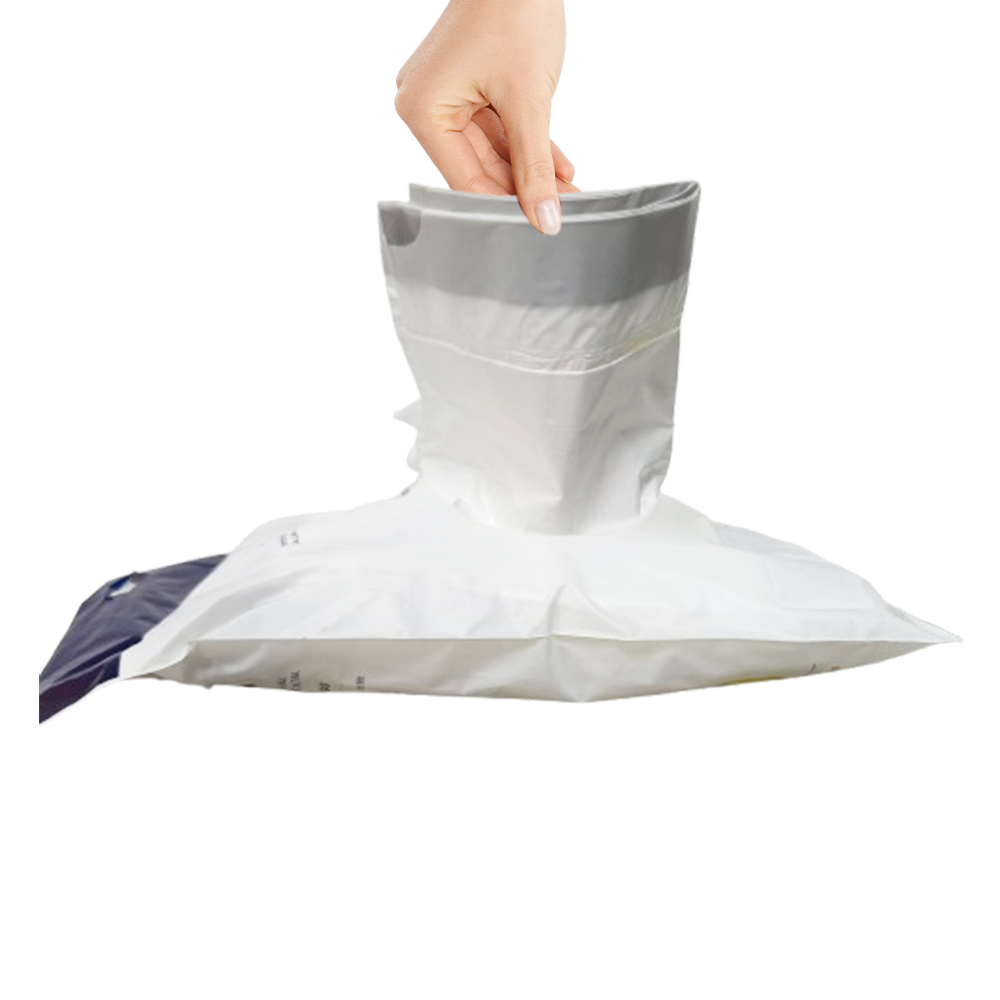
Ukubwa wa Kawaida wa Mifuko ya Taka kulingana na Uwezo Wake
Ukubwa kwa Litra dhidi ya Ukubwa kwa Galoni: Viwadi vya Mkoa na Ulinganisho wa Soko
Wafanyuzi kawaida huweka alama za mifuko ya taka yao ama kwa litri kwa mfumo wa metriki ama kwa galoni kwa vipimo vya kimarekani, kufuata kilichofanya kazi vizuri katika sehemu mbalimbali za ulimwengu. Sehemu nyingi za Ulaya na Asia huzingatia litri kwenye ubao wao wa kufunika, wakati watu wa Amerika Kaskazini kawaida huchagua galoni. Hata hivyo, uwezo wa kutunza mahali halisi wa mifuko hii unafanya kazi sawa sana katika mfumo wote. Kwa mfano, mfuko wa litri 30 unafanya kazi sawa na mfuko wa galoni 8 ambao tunaitumia Marekani. Kitu kinachostahili kumbukwa ni kwamba mifuko ya kitanda ya jikoni inayotumika kawaida yenye ukubwa wa galoni 13 inaweza kubadilishwa kwa karibu litri 50. Watu wanao kununua vitu kutoka nje ya nchi yao wanapaswa kuchunguza mara mbili kama vitu hivi vina vipimo vya metriki au ya kimarekani kabla ya kununua. Kwa sababu kama kitu kinasema litri 30 hakuna garanti kwamba kitafanana vizuri ikiwa mtu anatarajia ukubwa fulani kulingana na galoni.
Jinsi Uwezo wa Nominali Unahusiana na Vipimo vya Kimwili (Upana, Urefu, Na Kupanda Juu)
Uwezo uliopigiwa kwa mfuko (kama vile litri 70) huhusiana kwa ujumla na ukubwa wake wa jumla, ingawa jinsi inavyofanana hujitokeza sana kwenye muundo wa gusset. Kwa mfano, mfuko wa rahisi wa 70L usio na gusset unaweza kuwa na vipimo takriban 70 kwa 90 sentimita, lakini ikiwa tunazingatia toleo lenye gusset lile ile uwezo, unaweza kuwa na vipimo takriban 50 kwa 100 sm wakati bado linapata kina ziada linaloruhusu kukuwa upana kwa upande. Sehemu ya kupanda juu pia ni muhimu sana. Hii inarejelea sehemu ambayo inapanda juu ya mpaka wa chombo chochote kinachowekwa ndani yake, na kufanana vizuri katika sehemu hiyo ni muhimu ili kudumisha vitu kwa usalama. Wataalamu wengi wanapendekeza kufikia angalau sentimita 8 za kupanda juu, ingawa kufikia hadi sentimita 10 au hata 12 ni bora zaidi katika matumizi ya kila siku.
Kufananisha Mafuko ya Taka na Aina za Mifuko kwa Kufanana Bora
Vipimo vya Kawaida vya Mifuko na Vipimo vya Mafuko ya Taka Yanayolingana
Mizizi ya nyumbani zinazotumika kwa wingi huchukua kati ya litri 30 na 60, ambayo inafanya kazi vizuri pamoja na mifuko ya taka ya kawaida yenye urefu wa takriban sentimita 45 kwa 50 hadi 60 kwa 70. Kwa kuhusu mizizi kubwa ya litri 120 zenye magurudumu ambazo zimekuwa za kawaida sasa hivi, tafuta mifuko yenye ukubwa wa takriban sentimita 75 kwa 90. Mifuko hiyo mara nyingi huwakilisha mizizi vizuri na kuachia sehemu ya ziada ya kitu kinachopanda juu ya mipaka. Kwa biashara zinazohitaji suluhisho kubwa zaidi ya usimamizi wa taka, tunabegini kuona mizizi yenye uwezo wa litri 240. Mizizi hii inahitaji mifuko ya nguvu zaidi yenye ukubwa wa takriban sentimita 90 kwa 110 na ujio wa kusisimua na plastiki ya kuzingatia kipenyo cha mikroni 50 au zaidi. Vifuko vya viwandani vya ukubwa wa litri 1100 vinahitaji mifuko ya madhumuni maalum ya takriban sentimita 125 kwa 140 iliyoundwa hasa ili kushughulikia mzigo wa kufanywa mkubwa mara kwa mara. Ingawa kuchagua mfuco unaofanana na kiasi kilichotolewa kinaonekana kama wazo la kawaida (kama vile mfuco wa litri 50 kwa mizizi ya litri 50), usisahau kuchunguza vipimo halisi kwa sababu watazamishi tofauti hujaza urefu kwa njia tofauti, hasa unapokuwa na sehemu za kusonga (gussets). Mifuko yenye sehemu za kusonga inaweza kusonga kwa upana hadi asilimia 40 mara tu ikiwa imejaa, ikawa bora zaidi kwa mizizi inayopanua juu kuliko mfuko wa msalaba wa chini tu. Kuchagua ukubwa usio sahihi unaweza kusababisha matatizo kwa njia yoyote — ikiwa ni ndogo sana, mfuco unaweza kivuli, na ikiwa ni kubwa sana, utaenda tu kwa uvivu na hautawakilishi vitu vyote kwa njia ya sahihi.
Kwa Nini Uendelezaji wa Ufanisi wa Kupima Sufuria za Kutaka Ni Muhimu
Tofauti ya Kupima Kimo: Iliyopandwa vs. Isiyopandwa, Mnyonyo vs. Iliyo na Pembe
Shida kubwa inatokana na jinsi tunavyoizima vitu hivi kwa njia isiyofanana katika aina mbalimbali za mifuko na hali mbalimbali. Kwa mfano, mifuko ya kuzungusha (gusseted sacks) inaongezeka kuhusu 15 hadi 20% kwa urefu wakati inapojazwa kwa sababu ya athari ya kuendelea kuvimba wima. Kwa upande mwingine, mifuko ya rafu (flat sacks) mara nyingi huizimwa wakati bado ni tupu na haikujazwa kabisa. Kwa hiyo, mtu anachagua mifuko kulingana na ukubwa wake wakati umefungwa, akidhani kwamba utafanya kazi vizuri, lakini kisha anagundua kwamba unavunjika mara tu likipanua chini ya hali halisi za matumizi. Pia, vya polyethylene vilivyotumika sana katika linings za nyumbani na za biashara vinaweza kuvimba sana wakati kuna mzigo uliowekwa juu yao, kufanya tofauti kati ya kilichochapishwa kwenye kifurushi na kilichofanya kazi kwenye matumizi halisi kuwa kubwa zaidi. Tunahitaji viwajibikaji vya kipekee vya kuzima ambavyo vinaelezea wazi kama tunazungumzia ukubwa wa mifuko iliyofungwa au iliyovunjwa na hali gani ya mzigo inayotumika. Utafiti wa kifield kutoka kwa shughuli za usimamizi wa taka unaonyesha kwamba tofauti hii ya kuzima husababisha kuharibika kwa linings na kuvutwa kwa maji kwa asilimia 40 zaidi kuliko inahitajika.
Mwongozo wa kufanya kazi: Jifunze ukubwa wa mchakato wako wa taka na chagua mfuko wa taka wenye kuzidisha angalau 8 cm.
Unaposhughulika na mapipa ya magurudumu ya kibiashara, inafaa kutafuta magunia yenye paneli za pembeni zenye nguvu zaidi na kina kizuri ikilinganishwa na upana, ikiwezekana zaidi ya uwiano wa 1.5 hadi 1. Vipengele hivi husaidia sana kuweka mambo sawa wakati wa kuzunguka au kuganda taka. Usitegemee tu kile watengenezaji wanachodai kuhusu ukubwa wa bidhaa zao pia. Makampuni mengi huorodhesha uwezo ambao haulingani na vipimo vya ulimwengu halisi, wakati mwingine hupunguzwa hadi 10% au hata 15%. Daima pima mapipa halisi yenyewe kabla ya kufanya uamuzi wa ununuzi. Kiasi sahihi cha overhang hufanya tofauti kubwa pia. Huzuia mifuko kuzama sana, huweka vimiminika vizuri zaidi, na huokoa muda mwingi wa kusafisha baada ya kumwagika. Mtu yeyote anayefanya kazi katika maeneo yenye shughuli nyingi kama hoteli au hospitali anajua jinsi dakika hizo zilizohifadhiwa zinavyoweza kuwa na thamani siku nzima.
Maswali Yanayoulizwa Mara kwa Mara
Tofauti kati ya mifuko ya taka ya rafu na ya gusset ni nini?
Mifuko ya taka ya rafu inapimwa katika hali yake ya tupu na haikujisambaza kwa upana wakati wa kujazwa, kama vile inayofaa kwa mifuko ya taka yenye upana mdogo. Mifuko ya taka ya gusset, hata hivyo, ina folds ambazo zinawezesha ukuaji wa upana hadi asilimia 40%, ikiwa ni bora kwa mifuko ya taka yenye upana mkubwa zaidi kwenye juu.
Kwa nini kushoto cha chini ya cm 8 ni muhimu?
Kushoto cha chini ya cm 8 kinawezesha kufunga kwa usalama juu ya kipande cha juu cha mfuko, kuzuia kusogea na kuhakikisha kuwa taka na maji yamefungwa vizuri.
Je, vipimo vya mifuko ya taka vinaweza kutofautiana kati ya watazamishi?
Ndiyo, watengenezaji wanaweza kuorodhesha uwezo unaotofautiana na vipimo halisi kutokana na kutofautiana katika kupima magunia yaliyokunjwa, yaliyofunuliwa, na yaliyopakiwa.
Orodha ya Maudhui
- Ukubwa wa Kawaida wa Mifuko ya Taka kulingana na Uwezo Wake
- Kufananisha Mafuko ya Taka na Aina za Mifuko kwa Kufanana Bora
-
Kwa Nini Uendelezaji wa Ufanisi wa Kupima Sufuria za Kutaka Ni Muhimu
- Tofauti ya Kupima Kimo: Iliyopandwa vs. Isiyopandwa, Mnyonyo vs. Iliyo na Pembe
- Mwongozo wa kufanya kazi: Jifunze ukubwa wa mchakato wako wa taka na chagua mfuko wa taka wenye kuzidisha angalau 8 cm.
- Maswali Yanayoulizwa Mara kwa Mara
- Tofauti kati ya mifuko ya taka ya rafu na ya gusset ni nini?
- Kwa nini kushoto cha chini ya cm 8 ni muhimu?
- Je, vipimo vya mifuko ya taka vinaweza kutofautiana kati ya watazamishi?