
 EN
EN
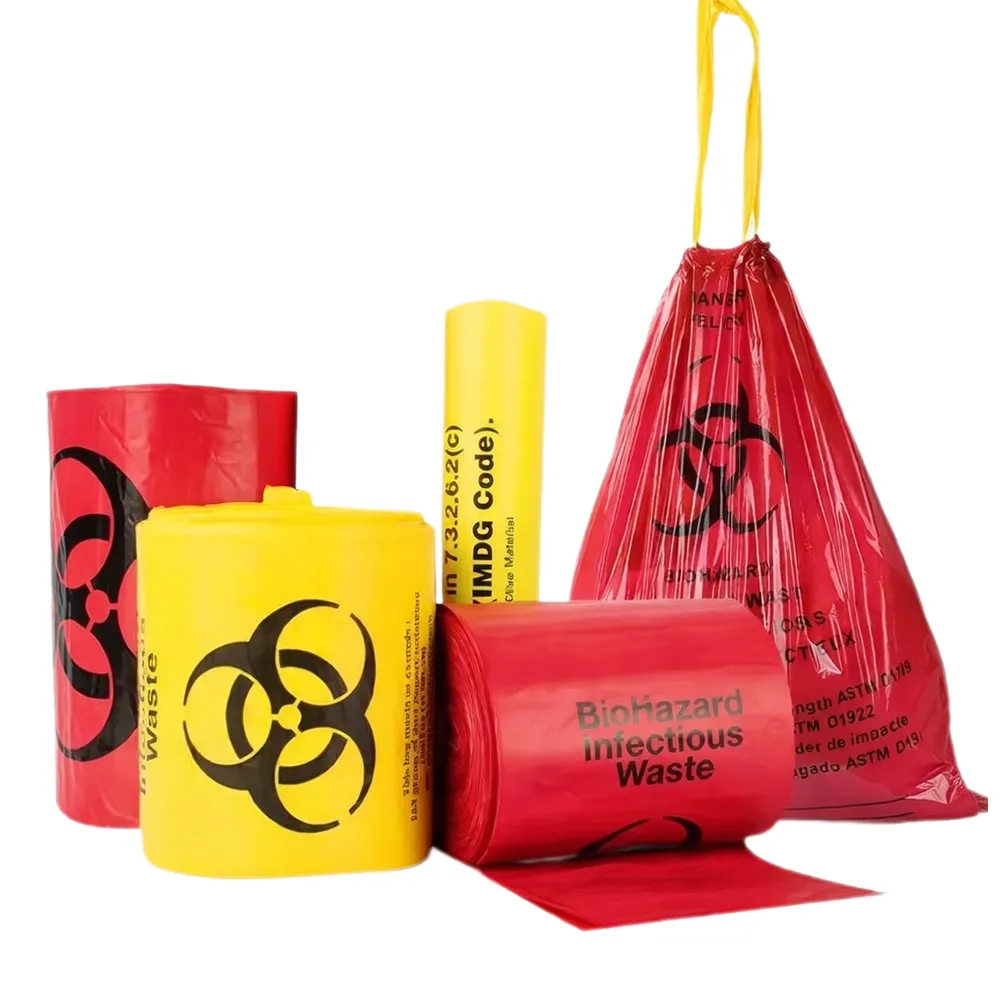
Choose the Right Waste Bags by Material and Thickness
HDPE vs. LDPE vs. LLDPE: Strength, Flexibility, and Tear Resistance for Waste Bags
What materials we choose really affects how well waste bags hold up when pressure builds inside them. HDPE has great strength against pulling forces but isn't very flexible at all, which means these bags tend to split open if they get too full. On the other hand, LDPE is much more stretchy and can resist punctures better, making it suitable for picking up things with odd shapes or sharp edges. Then there's LLDPE, which actually mixes the best qualities of both types. The way its molecules are arranged gives it about half again as much stretch and tear resistance compared to regular LDPE according to a study published in Polymer Engineering Review last year. When selecting materials for waste containment solutions, it's important to weigh all these different properties based on what specific needs the application requires.
| Material | Strength | Flexibility | Best Use Case |
|---|---|---|---|
| HDPE | ⭐⭐⭐⭐⭐ | ⭐⭐⭐ | Dry, lightweight waste |
| LDPE | ⭐⭐⭐⭐ | ⭐⭐⭐⭐⭐ | General kitchen waste |
| LLDPE | ⭐⭐⭐⭐⭐ | ⭐⭐⭐⭐⭐ | Heavy/sharp debris |
Optimal Micron Thickness for Common Applications: From Light-Duty to Heavy-Duty Waste Bags
Thickness (measured in microns or mils) determines load capacity. Standard guidelines prevent overstress:
- Light-duty (5–10 microns / 0.35–0.45 mils): Handles <5 kg of dry office or paper waste.
- Medium-duty (15–25 microns / 0.9–1.0 mils): Supports 10–15 kg for kitchen scraps and mixed household waste.
- Heavy-duty (30–50 microns / 1.2–2.0+ mils): Withstands 20 kg+ of construction debris, wet organic loads, or bulky recyclables.
Thinner bags reduce plastic use—but underspecifying thickness causes 78% of tear failures (Waste Management Journal 2024). Match microns to waste density and shape, not just weight: sharp or angular items require thicker gauges even at lower mass.
Select Waste Bags with Reinforced Structural Design
How Gussets, Welded Seams, and Reinforced Bottoms Distribute Stress and Prevent Tears
Structural reinforcement turns ordinary waste bags into tough, tear-resistant containers by spreading out pressure points in smart ways. Those little gussets we see on the sides are actually vertical folds that create extra space. They help take the strain off when dealing with oddly shaped stuff inside, so no one spot gets too much pressure. When it comes to seams, welding them together with heat instead of glue makes a big difference. Studies show these welded seams can handle about 30% more before bursting. The best part? There's no weak spot where tears usually start. And let's not forget about the bottom of these bags. Many have two layers or special cross welds that spread weight evenly across the whole base. This cuts down on punctures from sharp things by around 40% compared to regular flat sealed bottoms. All these features work together pretty well actually. Gussets give more room without overstretching the material, welded seams hold up during lifting, and those reinforced bases keep heavy stuff stable. If someone wants their waste bags to last longer, they should pick designs based on what they need to carry. Gusseted bags are great for big, bulky items, but construction sites or medical facilities really need the combination of welding and reinforcement since tearing just isn't an option there.
Match Waste Bag Size and Capacity to Load Requirements
Avoiding Overstress: Weight-to-Volume Guidelines and Fill Best Practices for Waste Bags
Prevent tears by matching waste bag dimensions to your bin’s specifications and load demands. Follow these evidence-based practices:
- Capacity Alignment: Standard kitchen bins (13-gallon) require corresponding bags; industrial settings need 55-gallon capacity. Office bins (2–4 gallon) demand smaller sizes.
- Weight Distribution: Never exceed 20 pounds (≈9 kg) in 13-gallon bags. Heavier loads require thicker materials to avoid punctures.
- Fill Protocol: Keep contents below 75% capacity. Distribute weight evenly and avoid placing sharp objects near seams or corners.
Calculate optimal dimensions:
- Add 4 inches to bin height for overhang
- Include half the bin diameter for bottom coverage
- Example: A 24-inch diameter, 42-inch high bin needs a 58-inch tall bag
Choosing slightly oversized bags reduces stress by 30% during removal—preventing seam failures and spill risks. Proper sizing extends bag lifespan while minimizing environmental waste from premature tears.
Recognize Early Failure Signs and Proactive Prevention Strategies
Spotting early warning signs in waste bags can save facilities from major messes and expensive cleanups down the road. Staff should watch out for things like material getting thinner over time, tiny tears forming around the seams, or when bags stretch abnormally as they fill up these are usually red flags that something might give way under pressure later on. A good practice is to train workers to inspect bags at key moments throughout their lifecycle. Check them when first placed into service, again halfway through filling, and definitely right before moving them somewhere else. Don't just rely on what can be seen either. Run fingers over the surface to feel any weak spots or areas where the plastic has lost its usual flexibility. According to Packaging Insights research from last year, facilities that follow this kind of routine see about a two thirds drop in bag failures. Alongside regular checks, it makes sense to replace bags showing early signs of wear instead of waiting until they reach maximum capacity. Combining close monitoring with timely replacements helps keep everything cleaner and stops those unpleasant surprises when a bag suddenly gives way.
FAQ
What are the differences between HDPE, LDPE, and LLDPE waste bags?
HDPE bags are strong against pulling but not flexible, making them prone to splitting when overfilled. LDPE bags are more flexible and puncture-resistant, suitable for odd-shaped waste. LLDPE blends the best of both, offering superior stretch and tear resistance.
How do I choose the right waste bag thickness?
Thickness is crucial for load capacity. Light-duty bags (5–10 microns) handle less than 5 kg, medium-duty (15–25 microns) manage around 10–15 kg, and heavy-duty (30–50 microns) withstand over 20 kg.
Why are gussets, welded seams, and reinforced bottoms important?
These features distribute stress, preventing tears. Gussets expand space, welded seams hold 30% more weight, and reinforced bottoms reduce punctures by around 40%.
How do I match bag size with load requirements?
Align bag size with bin specifications and load demands. Keep contents under 75% capacity and ensure proper weight distribution.