
 EN
EN
ניהול תופעת הקולחון במגוון סוגי תחבורה
התפשטות תופעת הקולחון הנגרמת על ידי נסיעות בסביבות טיסה, נהיגה ושייט
אנשים חווים מחלת תנועה בדרכים רבות ושונות, בהתאם לאופן שבו הם נוסעים. כאשר מטוסים נפגשים עם טורבולנציה, כרבע מהאנשים מתחילים להרגיש חולים, במיוחד במהלך הקטעים הקשים ביותר. גם נסיעות ברכב יוצרות בעיות משלהן, כשכמעט שליש מהמבוגרים חווים מחלת רכב כאשר הכביש מתפתל ומסתובב ללא הרף. אבל המפריע האמיתי? אוניות קרויז. למבקרים ראשונים באוניות קרויז לעתים קרובות קשה להתמודד עם מחלת הים, מכיוון שהתנועה האנכית שנגרמת על ידי הגלים גורמת לחצי מהם להרגיש לא בנוח. מרחבים קטנים שבהם לא ניתן לראות הרבה מחוץ, כמו ישיבה בחלק האחורי של מטוס או הימצאות בקבינת אוניה ללא חלונות, מחריפים את המצב. המוח שלנו מתבלבל כאשר המידע על האיזון שמעבירים האוזניים אינו תואם את מה שהעינים רואות, מה שמגביר את החשיפה הלא נעימה הזו.
איך שקיות הקיא מפרעות למעגל הקיא בסביבות סגורות ובמצבים של שליטה מועטה
שקיות להקאה שנועדו במיוחד לנסיעה יכולים לעצור את החשיפה להחמרה של הקושי על ידי הכלה מיידית שלו. השקיות הללו בנויות כך שינועו סגורות גם כאשר המטוסים נפגשים עם טרבלנס או עוצרים בפתאום, כך שסיכויי התפשטות הגרוטאות בסיטואציות תחבורה צפופות הם נמוכים יותר. הנגשת השקיות בקלות מאחור ישיבות מספקת לנוסעים תחושת בטחון ועוזרת למנוע את הרגעים האכזריים בהם מישהו חווה הקאה רק בגלל שהוא מתרגז. תכונת הסגירה המהירה היא חשובה במיוחד גם כן. כ-7 מתוך 10 אנשים שסובלים מתופעת קולחן נסיעה מגלים שרק ריחות מסוימים מחריפים את התסמינים שלהם, ולכן הכלה של ריחות רעים באמת משנה את המצב. כאשר נוסעים מרגישים שיש להם שליטה חלקית על הסביבה שלהם במהלך אירועים כאלה, הם נוטים להתאושש מהר יותר מאשר אלו שלא נזקקים לפתרונות הכלה מתאימים.
עיצוב אטום למחלות וכולל ריחות לשם היגיינה ציבורית
הכלי להחזקת הقيء חשוב מאוד במקומות כמו אוטובוסים, רכבות ומטוסים, שם נפילה של חומר על ידי מישהו עלולה לפגוע ברבים. שקיות הקייאון המתקדמות ביותר מורכבות משלוש שכבות: השכבה החיצונית עשויה בדרך כלל פוליאתילן, השכבה האמצעית סופגת, והשכבה הפנימית חוסמת את הריחות. מבחנים מראים שעיצוב זה עם שכבות מרובות מונע דליפות במעל 95% מהמקרים, מה שהופך אותן לאינטגרליות לתאי הנוסעים במטוסים ולמרחבי אמבולנסים, שם ציוד ניקוי אינו תמיד זמין. השקיות מצוידות בחיבורים דביקים חזקים או סגורים מסוג זיפר כדי לשמור על החומר בתוך השקית באופן אפקטיבי. בנוסף, יש בתוך השקיות פחם פעיל שמבטל ריחות רעים כמעט מיד לאחר ההגעה של החומר, מה שמקל על הסבל של כל העורכים.
למינציה מרובה שכבות וטכנולוגיית חיבור אמינה בשקיות קיאון מתקדמות
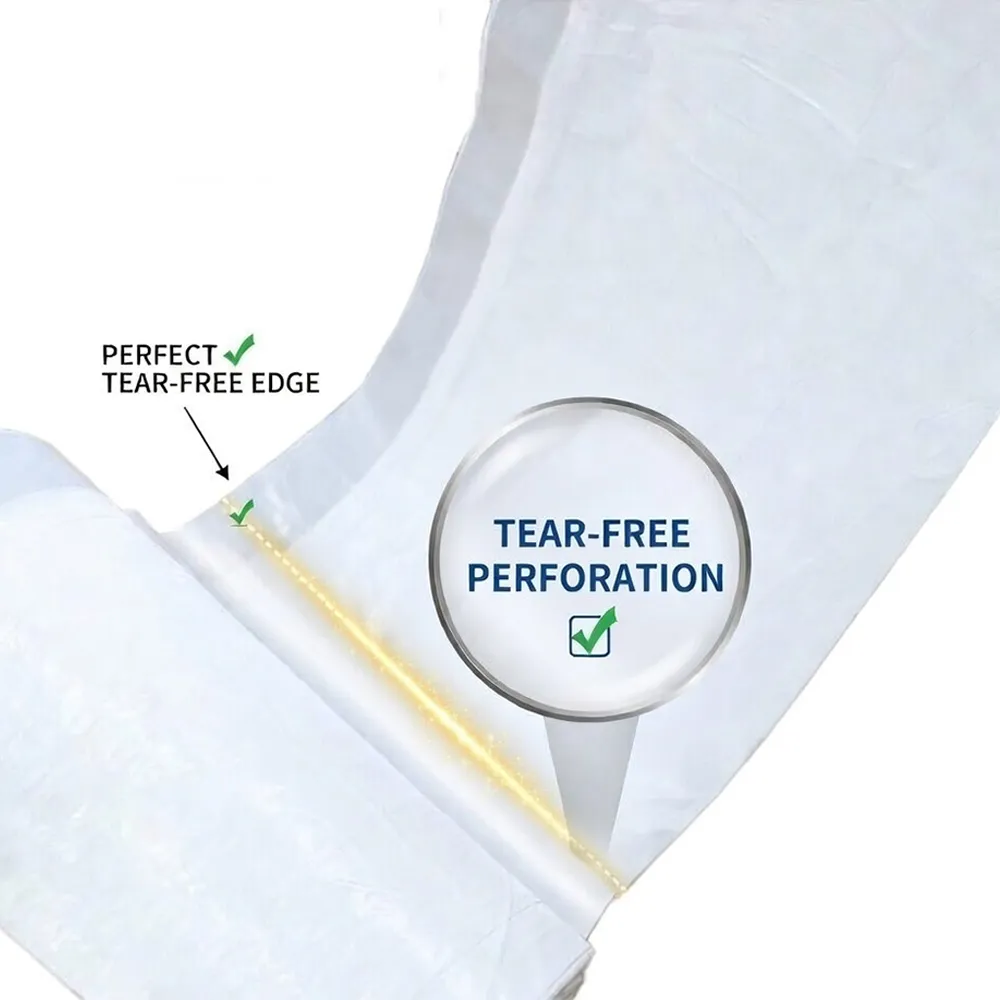
יצרנים משתמשים כיום בפולימרים סופגים מיוחדים אלו, או SAP לקיצור, אשר הופכים נוזל לג'ל בעת מגע עמהם. זה עוזר לצמצם את כל ההזדחלות המבוכות הללו ולמנוע דליפות חוזרות מטריחות. כאשר משלבים אותם עם תפרים שאינם קורעים בקלות, כל המערכת עומדת היטב בפני תנודות הלחץ שאנו רואים בטיסות. המקום שבו אנשים מבחינים באמת בהבדל הוא באופן החסימה של המוצרים האלה. חלקם מצוידים בשקיות דביקות, אחרים משתמשים בחבלים משיכים או בחיבורים קטנים מסוג 'אצבעוני'. כולם ניתנים להפעלה ביד אחת בלבד, מה שחשוב מאוד במצבים חירום. מן הבחינה של בריאות הציבור, הנדסת סוג זה יוצרת הבדל משמעותי גם כן. על ידי שמירה על נורובירוס וחיידקים מזיקים אחרים בתוך המיכל, היא פותרת בעיה חמורה. הסרת לא תקינה של נוזלים גופניים אחראית למעשה לכ-40% מהמחלות המופצות דרך משטחים במקומות כמו שדות תעופה ותחנות רכבת.
| תכונה | שקיות סטנדרטיות | שקיות רב-שכבתיות מפוארות |
|---|---|---|
| עמידות בדליפה | לְמַתֵן | יעילות של יותר מ־95% |
| הכחדת ריחות | מינימלי | מסנני פחמן פעיל |
| אמינות החתימה | אשך בלבד | רוכסן/חוט משיכה + דבק |
| מהירות ספיגה | 5–10 שניות | <2 שניות |
| הכחדת פתוגנים | בסיסי | מחסום ברמה רפואית |
בטחה פסיכולוגית והכנה של הנוסעים
כשמישהו חווה דizziness תנועתי במקום שבו הוא לא יכול לעזוב בקלות, זה גורם למתח נפשי ממשי. לכן, הסכרות הקטנות וההישארות בדיסקרטיות לקליטה של הקאות חשובות כל כך להרגעת העצבים. הן נותנות לאנשים שליטה אמיתית כשמגופם מתחיל לפעול נגדם, מה שמעכב את התפשטות הפאניקה באופן מלא. מחקרים שבדקו תעופה מסחרית מראים שאנשים שיש להם גישה לסכרות אלו חווים בערך 47% פחות דחק בכלל. רק הידיעה שסכרת כזו נמצאת בקרבת יד יוצרת הבדל משמעותי מבחינה פסיכולוגית. במקום להתמקד בתחושה הפיזית שלהם, נוסעים יכולים באמת להתייחס למה שמתרחש סביבם. התהליך כולו עובד משום שחרדה מגבירה בדרך כלל את הקושי בקיא, במעגל וירטואוזי מסוג זה. הסכרות מגיעות בחבילות קטנות שלא תופסות מקום, אך ניתן לחלץ אותן במהירות בכל עת שנדרש. אף אחד לא רוצה לבקש עזרה בפומבי במהלך קטעי טיסה קשים, ולכן ישיבות של משהו מוכן מראש ללא משיכה של תשומת לב הופכת לחיונית לשמירה על הכבוד האישי בזמן נסיעה.
עליית אריזות ההיערכות: שקיות להקאה בקיטים פרימיום לנסיעה
חברות נסיעות מפוארות מתחילות לכלול שקיות להקאה בקיטי הנוחות שלהן כחלק מההיערכות הסטנדרטית למשברים בימים אלה. שינוי זה נובע מחקר שמראה שבערך שני שלישים מהאנשים שטסים בכיתה המפוארת רוצים לדעת שהם מוכנים מראש לפני שיבדקו את טיסתם. אלו לא רק שקיות פלסטיק פשוטות. השקיות המפוארות מגיעות עם מיכלים מיוחדים במיקום מדויק בתוך תיקיות נוחות, וכן עם פריטים שמסייעים להרגיע את הנסיעים, כמו מטלפיות ריחניות. איחוד כל אלו יחד משנה את הדרך שבה אנשים מתמודדים עם בחילה בטיסות – מדבר שמתרחש לאחר הפעולה, למשהו שמרגישים שמכינים מראש. חברות התעופה ממש צופות עלייה של כשליש בדירוגי שביעות הרצון של הלקוחות כאשר הן מציעות את השקיות באיכות רפואית אלו, מה שמראה מדוע היערכות ללא דרישה ל תשומת לב רבה כה חשובה לשמירה על שביעות הרצון של הלקוחות בענף התעופה הקשה של ימינו.
תאימות רגולטורית ובקרת זיהומים בתחבורה משותפת
חברות תחבורה שמתמודדות עם נוסעים חולים חייבות לפעול בהתאם לתקנות מחמירות בנוגע לניקוי מהיר של נוזלים גופניים. כאשר מישהו מתרגל באוטובוס או ברכבת, מגוון גורמים מזיהמים נותר על המושבים והרצפה. חיידקים ואישיות אלו יכולים להישאר במקום לאורך זמן, מה שמקל על נוסעים אחרים להידבק בהם גם כן. מחקר עדכני שבדק את רמת הניקיון במטוסים הראה עד כמה המצב קשה באמת – וירוסים מסוימים ממש נשארים על ידית המושב למשך יותר מ-12 שעות רצופות! לכן, מערכות רבות משתמשות כיום בשקיות פלסטיק מיוחדות שנועדו לאסוף קיא באופן בטוח. הן מונעות דליפה של החומר לכל הכיוונים ועוזרות להגביל את התפשטותם של חלקיקים זעירים של גורמי מזיהום באוויר. נוכחותן המוכנה תורמת במידה רבה למימוש סטנדרטים לביטחון שנקבעו על ידי ארגוני הבריאות. בנוסף, הן מגינות על ספקי שירותי התעבורה מפני תביעות משפטיות במקרה שהידבקות מתפשטת לאחר שמשהו חלה על הלוח.
שאלה נפוצה
מה גורם לכאבי תנועה?
תסכול תנועה נגרם על ידי סתירה בין האותות שמעבירות מערכות החישה בגוף. כאשר האוזן הפנימית מרגישה תנועה שהעיניים אינן רואות, זה עלול לגרום לקלקלה.
למה שקיות הקאה חשובות בהובלה?
שקיות הקאה חיוניות לניהול התפרצויות של קלקלה ולשמירת ניקיון בתחבורה ציבורית. הן עוזרות להכיל את הבלגן והריחות, ובכך מפחיתות חרדה וסיכונים בריאותיים.
באילו דרכים נבדלות שקיות הקאה המתקדמות משקיות סטנדרטיות?
שקיות הקאה המתקדמות מציעות בידוד טוב יותר מפני דליפות וריחות, עם תכונות כגון מסננים פועלים של פחמן פעיל ומיכניות איטום מתקדמות. הן מעוצבות כדי לנהל את ההיגיינה הציבורית באופן יעיל יותר מאשר שקיות סטנדרטיות.
אילו צעדים מניעתיים יכולים נוסעים לנקוט נגד תסכול תנועה?
נוסעים יכולים לצמצם את תסכול התנועה על ידי בחירת מקומות ישיבה עם מבט ברור, שימוש בתרופה נגד תסכול תנועה, והחזקת שקיות הקאה בטווח יד כאמצעי זהירות.
תוכן העניינים
-
ניהול תופעת הקולחון במגוון סוגי תחבורה
- התפשטות תופעת הקולחון הנגרמת על ידי נסיעות בסביבות טיסה, נהיגה ושייט
- איך שקיות הקיא מפרעות למעגל הקיא בסביבות סגורות ובמצבים של שליטה מועטה
- עיצוב אטום למחלות וכולל ריחות לשם היגיינה ציבורית
- למינציה מרובה שכבות וטכנולוגיית חיבור אמינה בשקיות קיאון מתקדמות
- בטחה פסיכולוגית והכנה של הנוסעים
- עליית אריזות ההיערכות: שקיות להקאה בקיטים פרימיום לנסיעה
- תאימות רגולטורית ובקרת זיהומים בתחבורה משותפת
- שאלה נפוצה