
 EN
EN
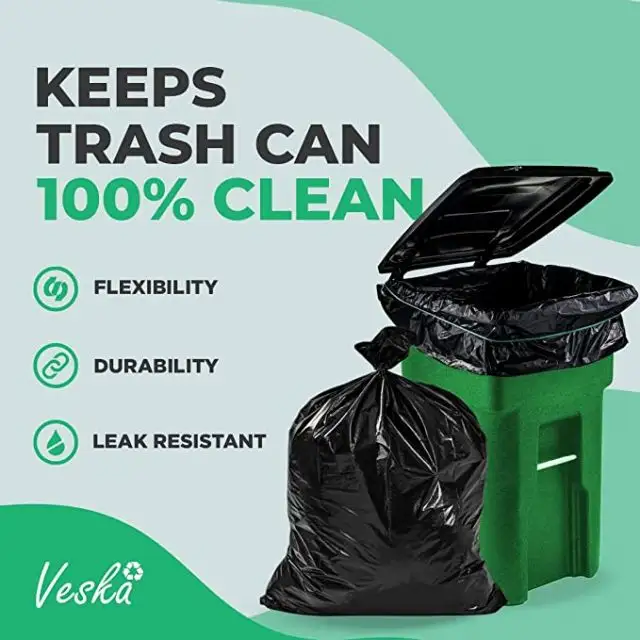
Nagy teherbírású anyagválasztás: az építési törmelék-hulladékzsákok alapja
A építési hulladék szennyeződéshez használt szennyvízsákok kiválasztásakor az anyag a kötelezően alkalmazandó alapvető tényező, mivel az építési hulladék éles töredékeket, nehéz szilárd anyagokat és kopasztó anyagokat tartalmaz, amelyek rendkívüli strapabíróságot igényelnek. A Guangdong Sunho Packing Products Co., Ltd., egy professzionális OEM/ODM gyártó, amely több mint 17 éve foglalkozik műanyag csomagolóanyagok gyártásával, ipari minőségű szennyvízsákok gyártására specializálódott magas sűrűségű HDPE- és megerősített LDPE/LLDPE-anyagokból – ezek az anyagok kiváló szakadási, átszúrási és terhelésállósági tulajdonságokkal rendelkeznek az átlagos háztartási műanyag zsákokhoz képest. Ellentétben a vékony zsákokkal, amelyek könnyen szétrepednek a szögekkel, üvegtöredékekkel vagy betondarabokkal való érintkezés során, a Sunho nehézüzemű szennyvízsákjai vastagított anyagot használnak, amelynek vastagsága az építési hulladék típusa szerint állítható be, így biztosítva, hogy éles és nehéz építési hulladékot is biztonságosan tartalmazzanak szivárgás vagy szakadás nélkül. A cég 50-nél több automatizált gyártóvonalának köszönhetően a szennyvízsákok anyagvastagsága egyenletes és a feszültségeloszlás egyenletes, ami kulcsfontosságú részlet, mivel megakadályozza a helyi szakadást, amikor a szennyvízsákokat szabálytalan építési hulladékkal töltik meg.
Egyedi méret és tervezés különféle építési hulladék-mennyiségekhez
A építési helyszínek nagyon eltérő mennyiségű és formájú hulladékot termelnek, kis léptékű felújítási maradékoktól a nagy léptékű építési hulladékig, ezért a hulladékzsákok méretének és szerkezeti kialakításának egyedi megtervezése elengedhetetlen. A Sunho ODM/OEM képességei lehetővé teszik a hulladékzsákok teljes méretbeli testreszabását – beleértve a hosszúságot, a szélességet és a nyílás méretét – így mind a kisebb, 10 gallonos zsákokat kínálja kisebb felújítási hulladékhoz, mind az extranagy zsákokat nagyobb mennyiségű építési hulladékhoz, például téglákhoz és fához. A szerkezeti kialakítás tekintetében a cég hulladékzsákjai csillagzárós és síkzárós alapokkal is rendelkezhetnek: a csillagzárós alap egyenletesen osztja el a súlyt a zsák alján, így kiválóan alkalmas nehéz, térfogatos építési hulladékhoz, míg a síkzárós alap praktikus a félig könnyű hulladék – például gipszkarton- és hőszigetelőanyag-hulladék – egymásra rakásához és tárolásához. Ezen felül a Sunho hulladékzsákjai szakítóvonalakkal és megerősített szegélyekkel is felszerelhetők: az előbbiek lehetővé teszik a zsákok könnyű levágását és eldobását használat után, az utóbbiak pedig megakadályozzák a szegélyek fonódását vagy szakadását a nehéz hulladék felemelésekor, így jelentősen növelve a hulladékzsákok gyakorlati alkalmazhatóságát az építési helyszíneken.
Szivárgásmentes és szakadásálló teljesítmény: építési helyszíni káosz elkerülése
A építési hulladék nem csupán szilárd, kemény anyagokból áll; ide tartozik a nedves hulladék is, például betonhab, festékhulladék és építési szennyvíz, amelyekhez a hulladékzsákoknak kiváló cseppmentes tulajdonsággal kell rendelkezniük. A Sunho nehézüzemű hulladékzsákjait varratmentes extrúziós eljárással gyártják, így kizárják a szivárgást okozó tűszúrásokat és gyenge varratokat – ez a professzionális gyártási technika biztosítja, hogy a teljes zsák egy tökéletesen vízhatlan gátot alkosson, amely megtartja a nedves építési hulladékot anélkül, hogy az átcsöpögne, és így elkerülhető a munkaterület padlójának beszennyeződése vagy környezetszennyezés keletkezése. A cég 99,8%-os termékminőségi aránya azt jelenti, hogy minden hulladékzsák-tétel szigorú szivárgási és szakadási teszteknek van kitéve, így biztosítva, hogy akár éles és nedves építési hulladékkal együtt is megőrizzék szerkezeti integritásukat. Azokon az építési helyszíneken, ahol különösen fontos a környezetvédelem és a tisztaság, ezek a cseppmentes hulladékzsákok megszüntetik a másodlagos takarítás szükségességét, így időt és munkaerő-költségeket takarítanak meg az építési csapatok számára.
Megfelelés az ipari szabványoknak és a globális tanúsításoknak: Biztonságos és megbízható használat
A építési hulladék számára használt zsákoknak nemcsak tartósnak kell lenniük, hanem meg kell felelniük az ipari és környezetvédelmi szabványoknak is, különösen azokban az építési projektekben, amelyek nemzetközi együttműködésen alapulnak vagy exportorientált követelményeket támasztanak. Sunho hulladékzsákjai számos tekintélyes tanúsítvánnyal rendelkeznek, köztük az ISO 9001 minőségirányítási rendszer tanúsítványa, a GRS (Global Recycled Standard) v4.0 tanúsítványa és a RoHS-irányelvnek való megfelelés tanúsítványa, továbbá sikeresen átmentek az SGS vizsgálaton, ahol az SVHC (különösen magas kockázatot jelentő anyagok) tartalom minden esetben 0,1 % (tömegszázalék) alatt maradt. Ezek a tanúsítványok megerősítik, hogy a hulladékzsákok nem tartalmaznak káros anyagokat, nem bocsátanak ki mérgező gázokat az építési anyagokkal érintkezve vagy a hulladék elhelyezése során, és megfelelnek Európa, Észak-Amerika és más főbb piacok környezetvédelmi és biztonsági szabványainak – ahol Sunho termékei az export térfogat 60 %-át teszik ki. Ezen felül a cég hulladékzsákjai megfelelnek az ASTM ipari vizsgálati szabványainak a műanyag csomagolásra vonatkozóan, így teherbírásuk és szakadásgátló tulajdonságaik teljes mértékben kielégítik az építőipar szakmai követelményeit, és megbízható választást nyújtanak mind hazai, mind nemzetközi építési projektek számára.
Költséghatékony tömeges testreszabás építési területi beszerzéshez
A építkezési projektek – akár nagyobb, akár kisebb méretűek – jelentős mennyiségű hulladékzsákot igényelnek, ezért a költséghatékonyság és a nagykereskedelmi szállítási kapacitás fontos szempontok a beszerzés során. A Sunho napi 2 000 000 darab műanyag zsákot tud gyártani, teljes belső ellátási láncot működtetve – a nyersanyag-feldolgozástól kezdve a késztermék szállításáig –, ami jelentősen csökkenti a gyártási költségeket, és lehetővé teszi a hulladékzsákok nagykereskedelmi rendeléseire vonatkozó versenyképes árakat. A cég rugalmas nagykereskedelmi csomagolási testreszabási lehetőséget kínál a hulladékzsákokhoz, ideértve a tömeges (köteles) csomagolást, a kartoncsomagolást és a hőre zsugorodó csomagolást is, így alkalmazkodik az építkezési helyszínek különböző tárolási és elosztási igényeihez. Hosszú távú építkezési projektek esetén a Sunho stabil gyártási kapacitása biztosítja a hulladékzsákok időben történő szállítását, megelőzve ezzel a csomagolóanyag-hiányból eredő késedelmeket a projektben. Emellett a Sunho hulladékzsákok magas tartóssága azt eredményezi, hogy egy zsák több építési hulladékot képes befogadni, csökkentve ezzel a projektenként használt zsákok összes számát – ez nemcsak a beszerzési költségeket csökkenti, hanem csökkenti a műanyag hulladék mennyiségét is, összhangban az építőipar alacsony szén-dioxid-kibocsátású és környezetvédelmi fejlődési irányával.
Több forgatókönyvre való alkalmazkodás: A építési hulladék elszállításán túl
A legjobb építési hulladékot tartalmazó zsákoknak többfelhasználási helyen is alkalmazhatóknak kell lenniük, mivel az építési területeken gyakran sokféle hulladékkezelési igény merül fel az építési hulladékon túl. Sunho nehézüzemű hulladékzsákjai nemcsak téglákra, acélrudakra és építőpanel-hulladékra alkalmasak, hanem ipari hulladék, építési területen keletkező háztartási hulladék, sőt akár a faágakból és talajból álló zöldítési hulladék (amelyek szintén keletkeznek az építés során) tárolására is. A cég egyedi nyomtatási lehetőséget kínál a hulladékzsákokra – ideértve az egyszínű vagy többszínű nyomtatást, logók nyomtatását és a hulladékfajták szerinti besorolási jelöléseket –, így az építési területek a zsákokra nyomtathatják a hulladék típusát, ami elősegíti a helyszínen történő hulladék-elválasztást és újrahasznosítást az országos hulladékbesorolási szabályozásoknak megfelelően. Akár beltéri felújításról, akár kültéri építésről, akár az építés befejezése utáni tisztításról van szó, ezek a sokoldalú hulladékzsák kielégítik az összes elhelyezési igényt, így egyetlen csomagolási megoldásként szolgálnak az építési területeken, és javítják a helyszíni hulladékkezelés általános hatékonyságát.
Tartalomjegyzék
- Nagy teherbírású anyagválasztás: az építési törmelék-hulladékzsákok alapja
- Egyedi méret és tervezés különféle építési hulladék-mennyiségekhez
- Szivárgásmentes és szakadásálló teljesítmény: építési helyszíni káosz elkerülése
- Megfelelés az ipari szabványoknak és a globális tanúsításoknak: Biztonságos és megbízható használat
- Költséghatékony tömeges testreszabás építési területi beszerzéshez
- Több forgatókönyvre való alkalmazkodás: A építési hulladék elszállításán túl