
 EN
EN
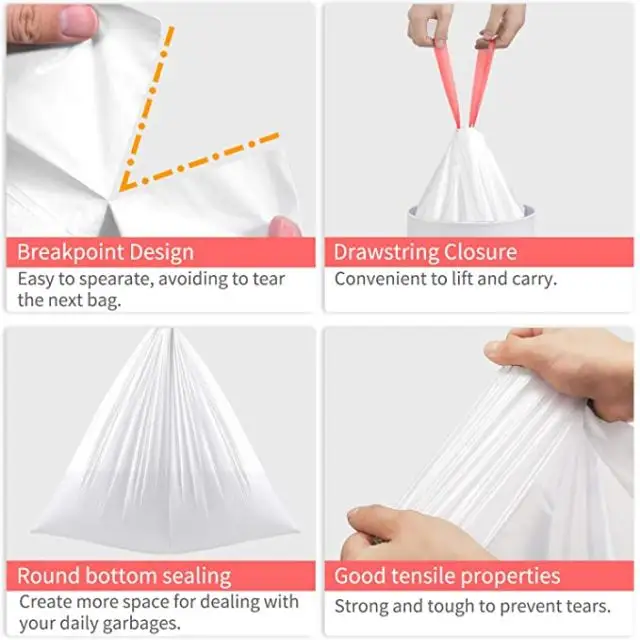
A hulladékgazdálkodás területén a megfelelő eszköz kiválasztása döntő fontosságú: attól függ, hogy egy sima takarítás vagy éppen egy igazi káosz lesz a kezében. Míg egy standard konyhai szemétzsák tökéletes a kávéfőző maradékához és papírforgácsokhoz, alapvetően alkalmatlan egy építkezési helyszín vagy egy nagyobb házfelújítás igényeire.
A kivitelezői zsákok mögött álló mérnöki megoldások megértése lehetővé teszi, hogy olyan tájékozott döntést hozzon, amely biztosítja projektje hatékonyságát. Ezek nem csupán „nagy méretű hulladékzsákok”; hanem célzottan kifejlesztett tartályrendszerek, amelyek képesek kezelni a hegyes éleket, a nagy súlyt és az elnyomó anyagokat – olyan terheléseket, amelyeket a szokványos polietilén belső rétegek egyszerűen nem tudnak elviselni.
Kiemelkedő fóliavastagság és anyagösszetétel
A két kategória közötti legnyilvánvalóbb különbség a műanyag vastagsága, azaz a kaliber. A szokásos háztartási hulladékzsákok vastagsága általában 0,7–0,9 mil között mozog. Ezzel szemben a valódi professzionális minőségű kivitelezői zsákok legalább 2,0 mil vastagsággal indulnak, és gyakran elérhetik a 3,0 mil-t vagy akár azt is meghaladják.
A Sunho-nál a szakirodalmi polietilén (HDPE) és az alacsony sűrűségű polietilén (LDPE) keverékek használatára összpontosítunk, amelyek maximális szakadásgátló hatást biztosítanak. Míg a hagyományos zsákokat rugalmasságuk miatt tervezték különböző konyhai szemetesekhez, a vállalkozói zsákokat a „szúrásállóság” érdekében fejlesztették. Ez azt jelenti, hogy ha egy éles gipszkarton-darab vagy egy repedt 2×4-es deszka nyomódik a zsák oldalához, az anyag megnyílik, de ellenáll a behatolásnak, ahelyett, hogy azonnal szétnyílna. Ez a szerkezeti integritás elengedhetetlen a hulladék szállításakor egy befejezett lakásban vagy egy forgalmas építési helyszínen.
Különleges alapzárások a kifolyás megelőzésére
A hagyományos szemétzsákok gyakori hibahelye az alapzárás. A legtöbb háztartási zsák sík zárását vagy redőzött zárását alkalmazza, amely elegendő könnyű, nedves hulladékhoz. Azonban ha 50 font (kb. 22,7 kg) törött csempe vagy nehéz kertészeti hulladék kerül egy zsákba, az alapvarratra gyakorolt nyomás rendkívül nagy.
A professzionális kivitelezői zsákok gyakran megerősített zárótechnikákat alkalmaznak. A nehéz terhek stresszeloszlásának elemzésével biztosítjuk, hogy zsákjaink jelentős súlyt bírjanak el anélkül, hogy az alja leesne. Amikor egy nehéz szennyeződés-tömegget visz le egy lépcsőn, a zsák „leesés-ellenállása” válik legfontosabb tulajdonságává. A szokásos zsákokat úgy tervezték, hogy egy támasztó műanyag kosárból emeljék ki őket; a kivitelezői zsákokat viszont úgy tervezték, hogy önállóan álljanak és durván kezelhetők legyenek.
Hatalmas térfogatkapacitás ipari szennyeződésekhez
A kapacitás egy másik terület, ahol a két termék jelentősen eltér egymástól. A szokásos konyhai zsákok általában 13–30 gallon (kb. 49–114 liter) kapacitásig érnek el. A kivitelezői zsákokat azonban gyakran 42 gallonos, 50 gallonos vagy akár 55 gallonos méretben gyártják.
Ez a növekedett térfogat nem csupán arról szól, hogy több „dolog” fér bele; hanem arról is, hogy nagyobb, nem egységes alakú tárgyak is elférnek benne. Egy felújítási környezetben nemcsak kis méretű tárgyakat dobunk ki, hanem hőszigetelő anyagokat, PVC csövek darabjait és nagy darabokra szakadt szőnyegalátétet is el kell tüntetni. A szélesebb nyílás és a mélyebb test lehetővé teszi a munkások számára, hogy gyorsan megtisztítsák a területet anélkül, hogy minden szennyeződési darabot apró darabokra kellene törniük, csak hogy beleférjenek egy szokásos zsákba.
Fokozott szúrásállóság éles anyagokhoz
Ha valaha próbálta már egy szokásos konyhai zsákba tenni a kertből származó növényi hulladékot vagy törött üveget, akkor tudja, hogy még egy apró gally is katasztrofális meghibásodást okozhat. Itt mutatkozik meg a vállalkozói zsákok speciális gyantaösszetételeinek előnye. A polimerkutatás szakértői ismerete szerint az ipari alkalmazásokhoz lényegesen magasabbra kell emelni a „dobogópont”-os ütésállóságot.
A gyakorlatban a kivitelezői zsákokat gyakran húzzák a betonon vagy dobálják be őket egy teherautó platójára. A szokásos zsákok vékonyabb, olcsóbb műanyagokat használnak, amelyeknél a költséghatékonyság fontosabb, mint a tartósság. A magas minőségű kivitelezői zsákok premium műanyagokból készülnek, amelyek kiváló „rugalmas emlékezetet” biztosítanak. Ez lehetővé teszi, hogy a zsák elnyelje egy éles tárgy energiáját anélkül, hogy a szúrás hosszú repedéssé alakulna, így akár egy kis lyuk keletkezése esetén is megmarad annyira épségben, hogy elérje a szemétgyűjtő konténert.
Gyakorlati érték és költséghatékonyság nehéz feladatokhoz
Bár egy doboz kivitelezői zsák drágább, mint egy tekercs konyhai szemeteszsák, a gyakorlati értéke lényegesen magasabb igényes feladatokhoz. Három vagy négy szokásos zsák használata egy erősített zsák feladatainak ellátására nemcsak hatástalan, hanem növeli az ökológiai szennyezés és az éles hulladék kiszóródásából fakadó sérülés veszélyét is.
Átláthatósági szempontból fontos megjegyezni, hogy a mindennapi irodai hulladékhoz vagy enyhe újrahasznosításhoz egy szerződéses zsák túlzott megoldás. Azonban a hobbi építők és a szakmai építők számára az a nyugodt lelkiismeret, amelyet egy nem szakadó zsák biztosít, megéri a befektetést. Ha olyan terméket választunk, amelyet a hulladék konkrét súlyára és „élességére” terveztek, csökkenthetjük a használt zsákok teljes számát és az elhasználódott belső zsákok utáni takarítással töltött időt.
UV-állóság és kültéri tartósság
A szokásos kukaszatyrok általában beltéri használatra készültek, tehát gyakorlatilag nincs védelmük az ultraibolya (UV) sugárzás ellen. Ha néhány napig kint hagyják őket a járdán vagy egy építkezésen, a nap gyorsan lebontja a műanyagot, ami törékennyé és szétesésre hajlammá teszi.
A professzionális szintű vállalkozói zsákokat gyakran szénfeketével vagy más UV-gátlókkal kezelik. Ez teszi őket alkalmasnak hosszú távú kültéri tárolásra vagy hosszabb ideig tartó projektekre, ahol a hulladék több napig is ott állhat, mielőtt elszállítják. Ez a időjárásálló tulajdonság biztosítja, hogy a zsák az ötödik napon is ugyanolyan erős maradjon, mint az első napon, így olyan megbízhatóságot nyújt, amelyet a szokásos háztartási termékek egyszerűen nem tudnak megfelelni.