
 EN
EN
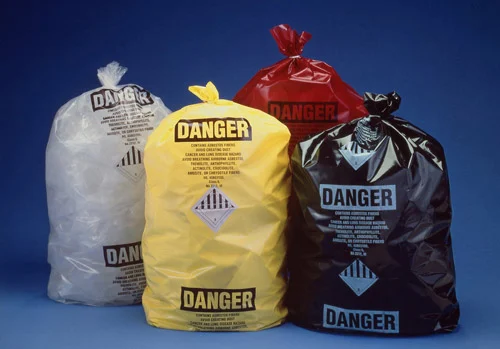
Asbestos Waste Hazards Require Strict Containment
Asbestos is a highly hazardous material that poses severe health risks when its fibers become airborne. Inhalation of asbestos fibers can lead to serious long-term illnesses such as lung cancer, mesothelioma, and asbestosis. For this reason, asbestos-containing materials (ACM) must be handled, stored, and transported with extreme care. Single-layer plastic bags are insufficient for asbestos waste containment because they can easily tear, puncture, or degrade, allowing dangerous fibers to escape into the environment. Asbestos bags are purpose-built to provide robust, reliable containment, and double bagging adds an essential layer of protection to meet strict safety regulations and minimize exposure risks for workers, handlers, and the general public.
Regulatory Compliance Mandates Double Bagging for Asbestos Waste
Most countries and regions have strict occupational safety and environmental regulations governing asbestos waste disposal. These rules nearly always require asbestos waste to be sealed in heavy-duty, leak-proof plastic bags—and double bagging is a standard compliance measure to prevent fiber release during handling, transit, and disposal. Using only one bag creates a single point of failure; if that bag is damaged, hazardous fibers can contaminate workspaces, vehicles, and landfills. High-quality asbestos bags manufactured with durable materials meet international safety standards, and double bagging ensures full adherence to legal requirements, avoiding fines, liability, and safety violations on job sites.
Material Strength of Asbestos Bags Supports Effective Double Bagging
Our asbestos bags are engineered with industrial-grade plastic materials including LDPE, LLDPE, MDPE, and HDPE, offering exceptional tensile strength, tear resistance, and puncture protection. These materials are far more durable than standard trash bags, designed to withstand the rough handling common in asbestos abatement and waste removal. When double bagged, the two layers work together to distribute stress and prevent breakage—even when carrying heavy, sharp, or irregularly shaped asbestos debris. The thick, customized construction of our asbestos bags ensures each layer maintains integrity, making double bagging a practical and highly effective safety practice rather than an unnecessary extra step.
Preventing Fiber Leakage During Transport and Storage
One of the biggest risks with asbestos waste is fiber leakage during movement or temporary storage. Single bags can develop small holes or weak seams that release invisible fibers into the air. Double bagging creates a physical barrier that traps any fibers that might escape from the inner bag, keeping them contained until proper disposal. Our asbestos bags feature secure seal designs such as flat seal bottom and star seal bottom, which further prevent leakage. When double bagged and properly sealed, asbestos waste remains fully contained, protecting cleanup crews, transportation staff, and anyone near the storage or disposal area from harmful exposure.
Protecting Workers and Reducing Occupational Health Risks
Workers involved in asbestos removal, packaging, and transportation face the highest risk of fiber exposure. Double bagging with heavy-duty asbestos bags significantly lowers this risk by creating a fail-safe containment system. The outer bag acts as a backup barrier if the inner bag is compromised, reducing the chance of direct contact with asbestos materials. Our asbestos bags are customizable in thickness, size, and strength to match specific job requirements, ensuring workers have the most reliable protection available. Prioritizing double bagging demonstrates a commitment to workplace safety and helps companies fulfill their duty of care to employees.
Long-Term Containment Stability for Asbestos Waste
Asbestos waste may be stored for extended periods before final disposal, so long-term bag integrity is critical. Single bags can degrade over time from moisture, temperature changes, or chemical exposure, leading to fiber release. Our asbestos bags are made with stable, high-quality plastic resins that resist degradation and maintain strength over time. Double bagging extends containment stability, ensuring asbestos waste remains safely sealed until it reaches a licensed disposal facility. This long-term reliability is essential for compliance with waste management protocols and for protecting environmental and public health.
Choosing Professional Asbestos Bags for Safe Double Bagging Practices
Not all plastic bags are suitable for asbestos waste—only industrial-grade asbestos bags designed for hazardous waste should be used. Our asbestos bags are manufactured in a certified facility with strict quality control (99.8% pass rate) and meet international standards for hazardous waste packaging. They are available in custom sizes, thicknesses, and seal styles to fit any asbestos waste scenario. Double bagging with these professional-grade bags is the most responsible, effective, and compliant way to handle asbestos waste, ensuring maximum safety for everyone involved in the handling, transport, and disposal process.
Table of Contents
- Asbestos Waste Hazards Require Strict Containment
- Regulatory Compliance Mandates Double Bagging for Asbestos Waste
- Material Strength of Asbestos Bags Supports Effective Double Bagging
- Preventing Fiber Leakage During Transport and Storage
- Protecting Workers and Reducing Occupational Health Risks
- Long-Term Containment Stability for Asbestos Waste
- Choosing Professional Asbestos Bags for Safe Double Bagging Practices