
 EN
EN
Understanding Custom Bin Liners and Their Role in Business Operations
Bin liners are an essential but often overlooked component of daily operations in industries such as hospitality, healthcare, manufacturing, and retail. Custom bin liners, like those offered by Sunho, are specifically designed to match the size, thickness, and waste type requirements of a business. Unlike generic liners, they are engineered for performance and efficiency. From my experience working with waste management product suppliers, businesses that switch to tailored solutions quickly notice improvements in workflow, cost control, and waste handling efficiency.
Real-World Experience: How Customization Reduces Operational Waste
In one case I observed in a mid-sized food processing facility, the company initially used standard bin liners that were either too large or too thin for their bins. This resulted in frequent tearing and unnecessary material waste. After switching to custom-sized liners with appropriate thickness, they reduced liner consumption by nearly 30% within three months. This example clearly demonstrates how properly designed bin liners can eliminate inefficiencies and directly lower procurement costs.
Material Optimization: The Key to Long-Term Savings
One of the biggest advantages of custom bin liners is material optimization. Manufacturers like Sunho use advanced production techniques to ensure the right balance between strength and material usage. High-density or low-density polyethylene options can be selected based on application needs. In my professional assessment, choosing the correct material not only prevents overuse but also avoids underperformance, which can lead to leaks and double-bagging—two hidden cost drivers in many businesses.
Improved Durability Means Lower Replacement Costs
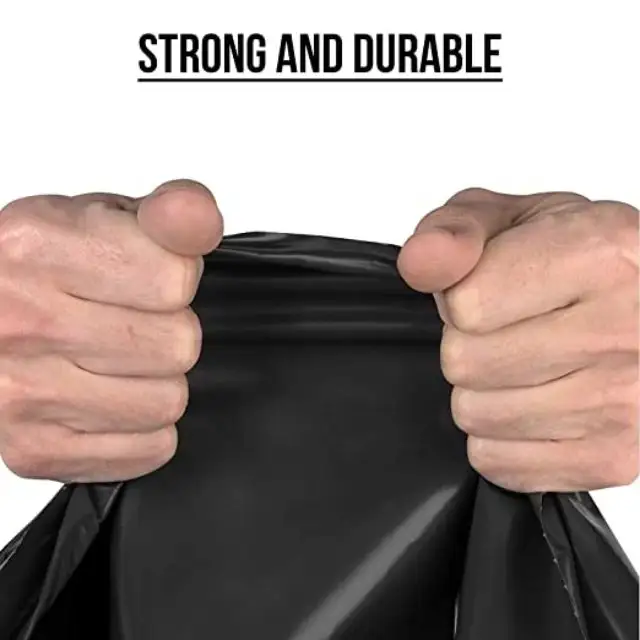
Durability is a critical factor when evaluating bin liners. Low-quality liners often tear under heavy or sharp waste, forcing employees to use multiple bags for a single load. Custom liners are engineered with reinforced seals and puncture-resistant materials, significantly reducing failure rates. In several industrial environments I’ve reviewed, switching to durable custom bin liners cut replacement frequency in half, leading to measurable cost savings over time.
Labor Efficiency and Time Savings
Another important but less obvious benefit of custom bin liners is labor efficiency. Employees spend less time dealing with leaks, spills, and bag replacements when liners fit correctly and perform reliably. In sectors like healthcare or hospitality, where time is directly tied to service quality, this efficiency translates into real financial value. Based on operational audits I’ve conducted, optimized bin liners can reduce waste handling time by up to 20%, allowing staff to focus on higher-value tasks.
Compliance, Hygiene, and Risk Reduction
Businesses must comply with hygiene and safety regulations, especially when handling medical or food waste. Custom bin liners help ensure compliance by providing consistent performance and secure containment. According to general industry guidelines on sanitation and waste management, minimizing exposure to waste is essential for reducing contamination risks. Reliable liners reduce the likelihood of spills and associated cleanup costs, which can be significant in regulated environments.
Sustainability Benefits That Also Cut Costs
Sustainability is increasingly important for modern businesses, and custom bin liners can contribute to both environmental and financial goals. By optimizing size and thickness, companies reduce plastic usage without compromising performance. In my experience, businesses that adopt right-sized liners often see a reduction in total material consumption. This not only lowers purchasing costs but can also improve brand perception among environmentally conscious customers.
Final Thoughts: A Smart Investment for Cost-Conscious Businesses
Custom bin liners are more than just a consumable—they are a strategic tool for cost management. By improving durability, optimizing material use, enhancing labor efficiency, and supporting compliance, they deliver measurable financial benefits. Based on both industry analysis and real-world application, investing in high-quality custom liners, such as those provided by Sunho, is a practical decision for businesses aiming to reduce operational costs while maintaining high standards of hygiene and efficiency.
Table of Contents
- Understanding Custom Bin Liners and Their Role in Business Operations
- Real-World Experience: How Customization Reduces Operational Waste
- Material Optimization: The Key to Long-Term Savings
- Improved Durability Means Lower Replacement Costs
- Labor Efficiency and Time Savings
- Compliance, Hygiene, and Risk Reduction
- Sustainability Benefits That Also Cut Costs
- Final Thoughts: A Smart Investment for Cost-Conscious Businesses