
 EN
EN
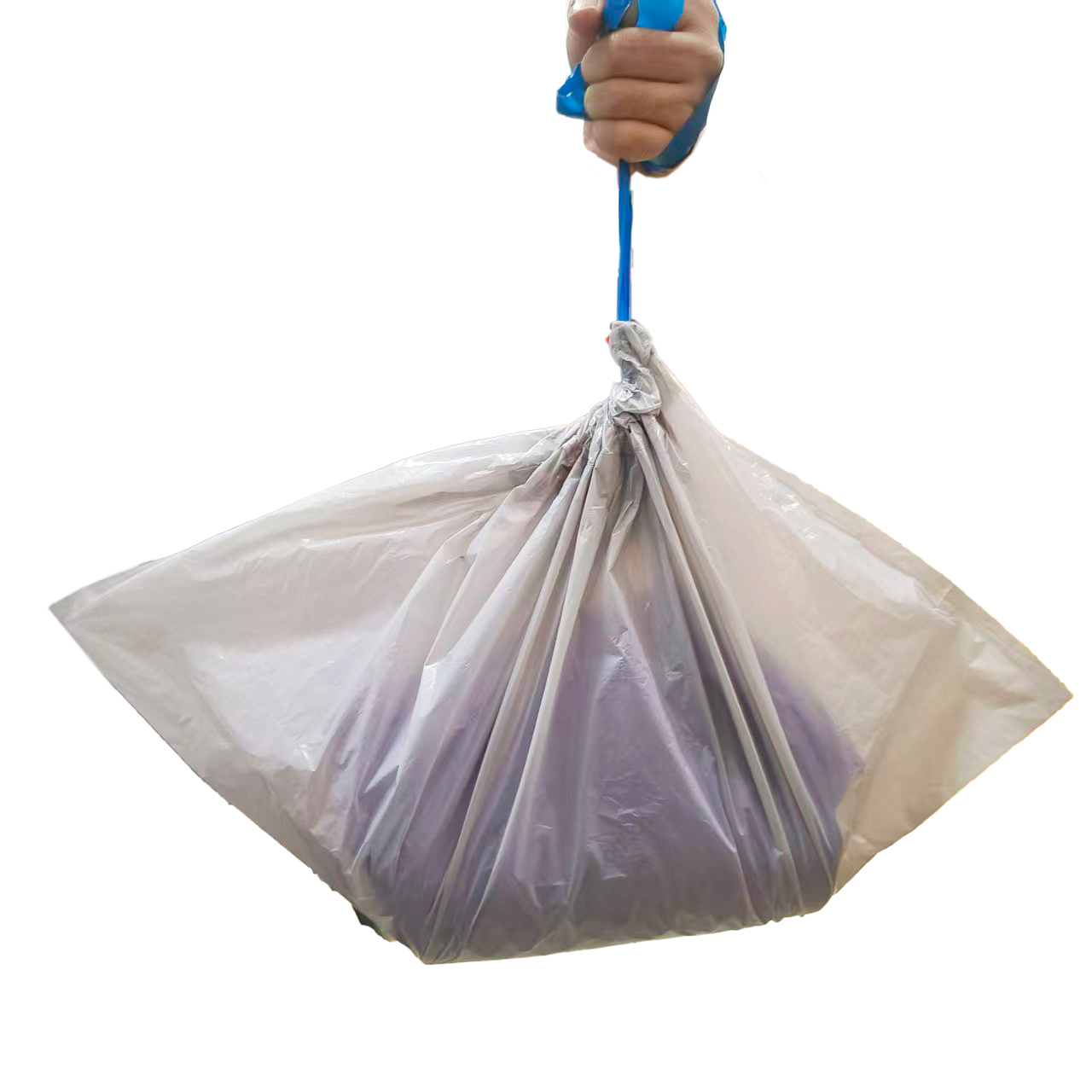
Construction and renovation projects generate some of the toughest waste streams in any industry. Nails, screws, shattered tile, drywall fragments, splintered wood, and jagged metal offcuts all find their way into disposal bags on a daily basis. For contractors, a bag failure is not just inconvenient — it can mean OSHA compliance issues, worksite safety hazards, and wasted labor hours spent re-bagging spilled debris. The question of whether contractor bags are truly puncture resistant for construction debris cannot be answered with a simple yes or no. It depends on material composition, manufacturing quality, thickness rating, and how the bag is used on site.
What Defines a True Contractor Bag
The term contractor bag is not a regulated industry standard, which means products labeled as such can vary significantly in quality. In practice, a genuine contractor-grade bag is characterized by three measurable properties: a minimum thickness of 2.0 mils, preferably 2.5 to 3.0 mils for heavy debris; a gusseted design that expands under load and distributes puncture stress; and a reinforced bottom seal capable of withstanding the weight of dense construction materials. The polyethylene resin formulation also matters. Bags made from a blend of low-density polyethylene and linear low-density polyethylene offer a better balance of stretch and puncture resistance than those made from high-density polyethylene alone, which tends to be more rigid and prone to tearing under sharp impact.
Puncture Resistance Testing and What It Means
Puncture resistance in plastic films is typically measured using standardized tests such as ASTM D5748, which evaluates the force required for a probe to penetrate the film. A contractor bag with a high puncture resistance rating can withstand nail points, screw tips, and sharp drywall edges without immediate failure. However, lab results only tell part of the story. Real-world construction debris rarely impacts a bag at a single perpendicular angle under controlled conditions. Bags on a job site are dragged across rough concrete, loaded from awkward angles, and exposed to temperature extremes that can alter film properties. A bag that passes a lab puncture test may still fail if the film thickness is inconsistent across its surface or if the bottom seal was not properly fused during manufacturing.
Common Failure Points and How to Address Them
The most common failure points for contractor bags on construction sites are the bottom seal, the transition area between the gusset fold and the main bag wall, and any location where a sharp object contacts the film at a high-stress angle. Bottom seal failure often results from overloading beyond the bag's weight rating or from dropping heavy debris directly onto the seal from height. Gusset failures occur when the bag is stretched around an irregular object that forces the folded film to separate. To address these failure points, contractors should select bags with star-sealed or multi-layer reinforced bottoms, avoid filling bags beyond two-thirds of their visible capacity, and place a layer of softer debris such as drywall dust or insulation scraps at the bottom of each bag before adding sharp materials.
Application Scenario: Multi-Trade Renovation Site
On a commercial renovation project involving demolition, electrical rough-in, and drywall installation, several waste types are generated simultaneously. The electrical crew produces wire clippings and metal conduit offcuts; the demolition crew generates broken tile and nail-embedded lumber; and the drywall crew creates gypsum fragments with sharp broken edges. A site supervisor implementing a standardized waste handling protocol might designate 3.0 mil gusseted contractor bags for all debris, with additional cardboard bin liners used at stations where metal waste concentration is highest. By sourcing bags from a manufacturer with ISO 9001 certified quality control, the supervisor can expect consistent thickness and seal integrity across multiple pallets delivered over the project timeline. Suppliers such as SUNHO Packing manufacture contractor bags with puncture-resistant formulations and reinforced bottom seals that have been supplied to institutional and industrial buyers managing high-volume construction waste.
Comparing Contractor Bags to Standard Trash Bags
Many contractors are tempted to use standard trash bags as a cost-cutting measure, but the performance difference is substantial. Standard kitchen or office trash bags typically measure 0.7 to 1.2 mils and use simple heat-sealed bottom seams that are not designed for heavy or sharp loads. In contrast, a properly specified contractor bag measuring 2.5 to 3.0 mils with reinforced seals can carry three to five times the weight capacity and resist penetration from common construction debris. The cost savings of using lower-grade bags are quickly erased by the labor time spent cleaning up spills, the risk of worker injury from sharp objects exposed during bag failure, and potential non-compliance with site safety regulations that require proper containment of hazardous construction waste.
Supplier Evaluation for Construction-Grade Bags
When evaluating contractor bags for a construction operation, buyers should request the manufacturer's technical specification sheet and look for the following: stated mil thickness with stated tolerance, bottom seal type, resin blend composition, and any third-party test results for puncture resistance and tensile strength. The manufacturer's quality certifications also matter. ISO 9001 certification indicates a systematic approach to production quality control, which translates to fewer defective bags per pallet. Environmental certifications such as REACH and RoHS confirm that the materials used meet regulatory standards, which is particularly relevant for contractors working on government or institutional projects with strict material compliance requirements.
Questions and Answers
Can contractor bags hold wet construction debris?
Yes, but with caveats. Water adds significant weight, so a bag rated for 50 pounds of dry debris may fail at 30 to 35 pounds when the contents are saturated. Use bags with reinforced bottom seals rated at least 2.5 mils for wet debris and avoid dragging wet bags across abrasive surfaces.
What is the difference between 2 mil and 3 mil contractor bags?
A 3 mil bag is 50 percent thicker than a 2 mil bag, which translates to noticeably better puncture resistance and weight capacity. For general light construction debris such as drywall and packaging, 2 mil may suffice; for metal, glass, or mixed heavy debris, 3 mil is recommended.
Do I need different contractor bags for different types of construction debris?
While a single heavy-duty specification can work for most mixed debris, sites with concentrated sharp metal waste benefit from dedicated 3 mil or higher bags with gusseted designs. Sites with primarily dry, non-abrasive debris such as insulation and wood chips can use 2 mil bags effectively.