
 EN
EN
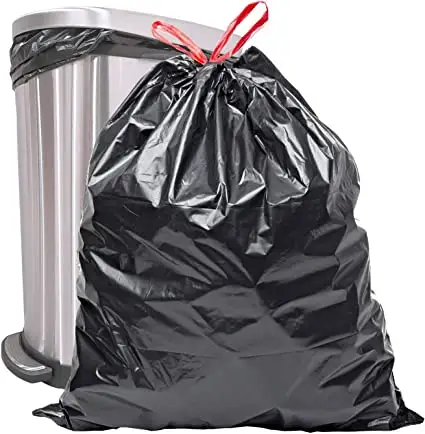
የትክክለኛውን የመሰናክያ ቦታ ለማስተዳደር የሚያገለግል ቦታ ለመምረጥ በኢንዱስትሪያል አካባቢ በቀላሉ የተገኘውን የጥቁር ፔላስቲክ መጠቆሚያ ማስተዳደር ብቻ አይደለም። በከፍተኛ ጥራ Demand ያላቸው አካባቢዎች—እንደ የገንዘብ ስራ ቦታዎች፣ የአገልግሎት ቦታዎች እና ትልቅ የማምረቻ ተቋማት—በቦታ ውስጥ የሚከሰቱ ችግሮች ዋጋ በጣም ከፍተኛ ነው፣ እንዲሁም የቦታው ዋጋ ከቦታው ዋጋ በጣም ከፍተኛ ነው። የቦታው ቀስ በቀስ ማለፍ የሰው ሃይል ማሳየት እና የተበላሹ ነገሮች ምክንያት የደህንነት አደጋ እና የአካባቢ ደህንነት የማስተዳደር አደጋ ይፈጥራል። ሲንሆ በከፍተኛ የተከፋፈለ የመሰናክያ መፍትሄዎች ማምረት ውስጥ ያለውን የዓመታት ልምድ በመጠቀም፣ ትክክለኛው የቴክኒካዊ ደረጃ እንደ ምን ያህል የሥራ ችሎታን ማሻሻል እንደሚችል እንደ አየናል።
የחומרים ሳይንስ ያስቡ: ለኢንዱስትሪያል ጠንካራነት LDPE እና HDPE
የተቀመጠው የቅስቀሳት ቦርሳዎችን ማምረት ሲጀምር፣ የመጀመሪያው የቴክኒካዊ አሰራር የሬዝን ዓይነቱ ነው። በኢንዱስትሪ ዓለም፣ የዝቅተኛ ጥብቅነት ያላቸው ፖሊኤታሌን (LDPE) ለከፍተኛ ጥገኝነት ያላቸው መተግበሪያዎች የወርቅ መደብ ነው። ከፍተኛ ጥብቅነት ያላቸው ፖሊኤታሌን (HDPE) ከዚህ በላይ ትንሽ ነው እና በማንኛውም አይነት ቀዳዳ የተነካ ቢሆን፣ እንደ "ዛፕሪንግ" ይባላሉ በቀላሉ የሚሰበሩ ናቸው፤ አንድ ግን LDPE የተሻለ መጋዘን እና የሚሰበር ተቃውሞ ይሰጣል። በሱንሆ የተለየ የተወሰነ ብዙ የተዋሃዱ ቅርፃት የኮ-ኤክስትሩዥን ቴክኖሎጂ እንጠቀማለን ለእኛ የከፍተኛ ጥገኝነት ያላቸው ቦርሳዎች ላይ። ይህ ሂደት የቅስቀሳት ቦርሳዎችን ለማምረት ይፈቅዳል የእንጨት ወይም የብረት ቅንጣቢዎች የሚያስከትሉ ቀላል ጠርዞችን ሳይቀር ማስተናገድ ይችላል የማይቀር የአደጋ ምልክት የሌለው ሁኔታ ያስተዳድራል። ለብዙ የኢንዱስትሪ ተጠቀምቶች፣ ከፍተኛ ግዴታ ያላቸው LDPE ልኩል በጣም ደህንነቱ የተጠበቀ አማራጭ ነው ምክንያቱም የሞለኪውላር መዋቅሩ የፕላስቲክ ቁሳቁስ በከፍተኛ ግዝቶች ስር ለመጋዘን እና ለመጋዘን ይፈቅዳል የማይሰበር በተቃራኒው ነው።
ግዜጅ እና ሚክሮን፡ እውነተኛውን የመጫን አቅም እንዴት ማለካት
የግዥ ላይ የሚደረጉት ከፍተኛ የተለመዱ ስህተቶች አንዱ የ"ሚክሮን" ወይም "ጋጅ" የተሰጠውን መጠን ማስተዋል ነው። የተለመደ የቤት ጥቅም ያላቸው ቦታዎች የሚያገለግሉት 15-20 ሚክሮን ናቸው፣ ነገር ግን የኢንዱስትሪ ደረጃ የተሰጠው የበረከት ቦታዎች በአጠቃላይ 40 ሚክሮን ይጀምራሉ እና የ"ከፍተኛ የብዛት ስራ" የሚፈልጉ ጉዳዮች ላይ 100 ሚክሮን ድረስ ሊደርስ ይችላሉ። የእርስዎ በቀጥታ የሚፈልጉት የባህሪ የተጣራ ነገር ወይም የማሽን አካል የተሞላ የገጽ አካል ከሆነ፣ የእርስዎ የተለመደ የቦታ ክብደት የሚገባውን የቦታ መጠን መኖሩ አስፈላጊ ነው። እኛ በተደጋጋሚ የደንበኞቻችንን የ"አማካይ የቦታ ክብደት" ማስላት እንመክራለን። የእርስዎ በቀጥታ የሚፈልጉት በእያንዳንዱ ቦታ ላይ 20 ኪሎ ግራም ከፍ ቢሆን፣ ከ 50-60 ሚክሮን በላይ የሚሆን የቦታ መጠን መፈለግ አለብዎ። በጣም ቀላል የሆነ ቦታ መጠን መጠቀም የ"ሁለት ቦታ መጠቀም" ይፈጥራል፣ ይህም ለቢዝነስ በጣም ትልቅ የተደበቀ ወጪ ነው። በሶንሆ 2.5 ሚል (ከ 63 ሚክሮን ጋር ተመሳሳይ) የኮንትራክተር ቦታ መጠቀም በአንድ ቦታ ላይ ሦስት ቦታ የሚሰራውን ያረጋግጣል፣ ይህም የእርስዎን የተሰራ ኢንቨስትመንት ከፍ ያድርጋል።
የተሻለ የማስተካከል ችሎታ እና የድንጋይ ጥንካሬ በከፋ የአየር ሁኔታ ውስጥ
የኢንዱስትሪያል ክፉር ብዙውን ጊዜ 'ቀላል' አይደለም። ከተበላሹ ፓሌቶች እስከ ቀጣኝ ፔላስቲክ የተቆረጡ ክፍሎች ድረስ፣ የእርስዎ የክፉር ሳኮች የማህደር የተሻለ ተገቢነት በተደጋጋሚ የሚታሰብ ነው። የፕሮፌሽናል ደረጃ ያሉ ሳኮች በተጨማሪ ነገሮች የተዘጋጁ ናቸው እነዚህ ተጨማሪ ነገሮች የማስተካከል ችሎታን ያሳድጋሉ። በየዘመናቱ የፈተና ማቅረቢያዎቻችን የ'ዳርት ዳራፕ' ፈተናን እንጠቀማለን ምን ያህ የግፊት መጠን ሳክ ከመሰረቱ መሰረት በፊት ይችላል ለመለካት። የአቅርቦት አቅራቢዎን ስትመርጡ፣ በተለይ 'ሜታሎሴን' ወይም የተመሳሳይ የከፍተኛ ጥንካሬ ተጨማሪ ነገሮች የሚጠቀሱ ምርቶችን ይፈልጉ። እነዚህ የንጥረ ነገሮች በደንብ የተያዘ ቀጣኝ ነገሮችን ለማስተካከል የሚያስፈልገውን 'ኤላስቲክ ማስታወሻ' ይሰጣሉ። በተለያዩ ስራ ቦታዎች ላይ የተደረገው የእኔ ልምድ መሠረት፣ በጣም የተሳካው የስራ ቦታዎች የ'ፍላት ሴል' ወይም 'ስታር ሴል' መሠረት ይጠቀማሉ። በተለይም የስታር ሴል ሳክ ወደ ቢን የሚገባውን የመለኪያ አቀማመስ ይከተላል፣ እንዲሁም ክብደቱን በሙሉ ይሰራጫል እና የመሠረቱ ሲሞች ላይ የሚፈጠር ጭንቀትን ያቀንሳል።
በአቅርቦት ማህደር ውስጥ የተራራ እና የተጠበቀ ስራ
የኢንዱስትሪ ልማት ዘርፍ ውስጥ የተረጋገጠነት ከእርስዎ እየገዛችሁ ያለውን ነገር በትክክል ማወቅ ይመጣል። በገበያ ላይ የሚገኙ ብዙ "ከባድ ጥገኝ" ቦታዎች በካልሲየም ካርቦናት ወይም በዝቅተኛ ጥራት ያላቸው የተደገሙ ፕላስቲኮች ተሞላሉ፣ እነዚህ ቦታዎች በአጠቃላይ ትኩረት ያለው ይመስላሉ ነገር ግን ብሩቱ ይሆናሉ። በሳንሆ የምንሰራው የግልጽነት መርህ ነው። የእርስዎ ምርጫ የ100% የተሻገረ ፕላስቲክ (PE) ቦታዎች ከፍተኛ ጠንካራነት ለማግኘት ወይም የተደገሙ የተካሄዱ የፀሐይ ቦታዎች ለአካላዊ ተስፋ ያላቸው ዓላማዎች ከሆነ፣ እኛ በግልጽ የተገለጸ የተዘረጋገጠ ጥራት እና የጭነት ገደብ የተሰጠ ነው። የካርቦን አጠቃላይ ግቤት ለመቀነስ የሚፈልጉ ኢንዱስትሪዎች ከከፍተኛ ጥራት ያላቸው የተጠቀሙ የተደገሙ ፕላስቲኮች (PCR) የተሰራ የተወሰነ ቦታ ለማገዝ በጣም ጥሩ ምርጫ ነው። ሆኖም የእርስዎ አቅራቢ የተደገሙ የተዋሃዱ የፕላስቲክ ቁሳቁስ ተስፋ ሊሰጠው ይችላል ያለ መረጃ ለማረጋገጥ ይጠበቅብላል፣ ምክንያቱም የተሳሳተ የተደገሙ ፕላስቲኮች የተለየ የስፋ thickness እና የተጠበቀ የውሃ መፍሰስ ሊያስከትሉ ይችላሉ።
መጠን እና የሚገጣጠም ሁኔታ፡ የክفاءት እና የደህንነት ከፍተኛ ጥቅም
በመጨረሻ፣ የእርስዎ የብቅለት ብሮች የሚገኙበት የአካል መጠን ከእርስዎ የማከማቻ መሳሪያዎች ጋር ማጣመጥ አለባቸው። በጣም ትንሽ የሆነ ብሮ ወደ ብን ውስጥ ይገባል እና ስህተት ያስከትላል፣ በድግуй ደግሞ በጣም ትልቅ የሆነ ብሮ የፕላስቲክ እና የገንዘብ ክፍያ ነው። ለኢንዱስትሪያል የመዞር ብን (በተለምዶ 120 ሊትር እስከ 240 ሊትር) ወይም ለትልቅ የማጠናቀቅ መሳሪያዎች የሚያስፈልጋቸው ብሮች በቂ የ"ማስቀመጥ" አቅም ያላቸው መሆን አለባቸው። የተሻለ የተለመደ ምንጮ የብሮ ርዝመቱ የብን ቁመታ እና የብን ስፋቱ አንድ ክፍል እና ከዚያም የተደረገ የተሰキュር ማስቀመጥ አስፈላጊ የሆነው 10 ሴሜ መሆን ነው። በሱንሆ የተለያዩ መጠኖችን እንዲሁም 30-ጋሎን የቤት እና የንግድ የቢራ ብሮች እስከ 55-ጋሎን "ኮንትራክተር" ብሮች ድረስ እንደሚያቀርቡ አሉ። በእርስዎ የሥራ ቦታ ላይ የብሮ መጠኖችን ማስተዳደር በማስተዳደር የ_inventory_ ስራውን ማቋረጥ እና ሰራተኞችዎ ሁልጊዜ ትክክለኛውን መሳሪያ እንዲያገኙ ማስቻል ይችላሉ። ትክክለኛውን የብቅለት ብሮ ማምረት በእርስዎ የሥራ ቦታ የደህንነት፣ የፀንቶ እና የገንዘብ ተጠቀሚነት ላይ የሚደረገ ኢንቨስትመንት ነው።