
 EN
EN
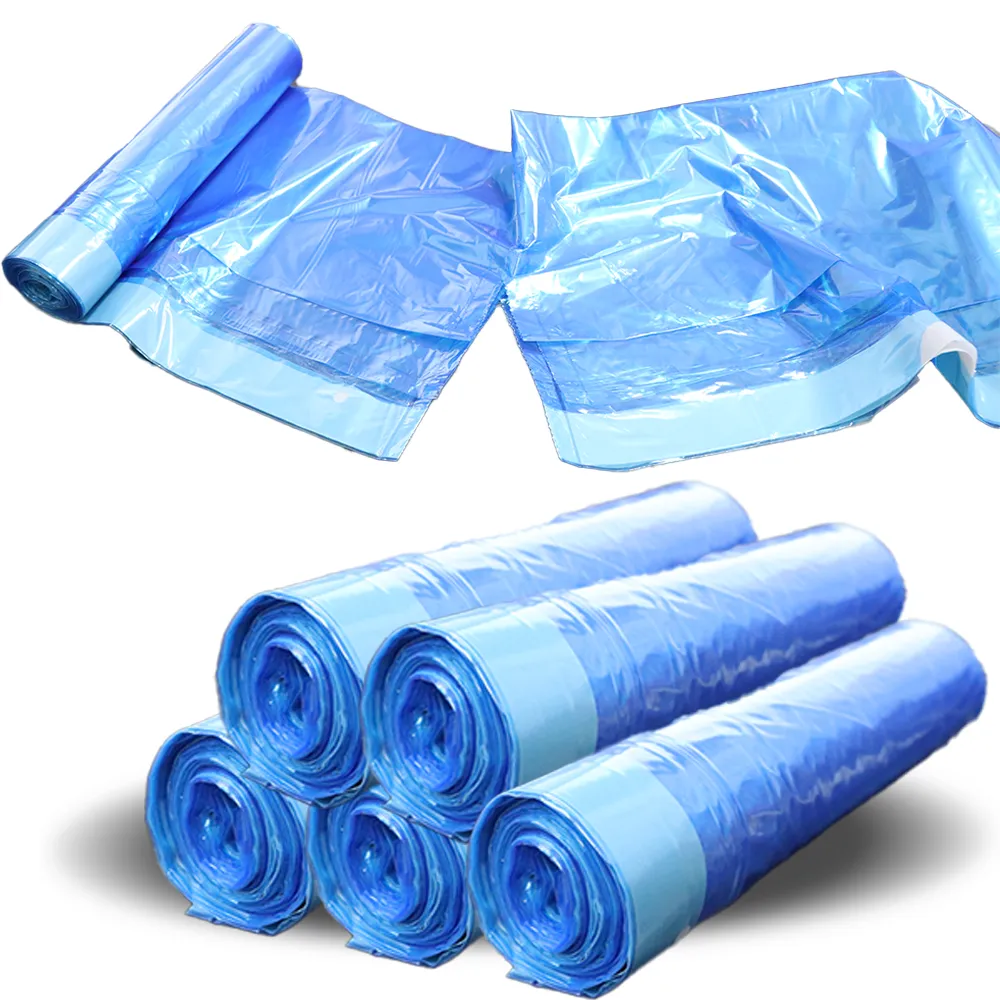
As a professional manufacturer with over 15 years of experience in the industry, I've seen countless customers stand in the cleaning supply aisle, holding a box of thin-looking trash bags and asking the exact same question: "Can these really hold up to the heavy waste I need to throw away?" If you manage a commercial kitchen, an office building, or an industrial facility, this is a critical question. The wrong choice leads to messy spills, lost productivity, and unexpected costs. The short answer is yes, high-density trash can liners are specifically engineered to handle heavy waste, but understanding how and why will help you make the smartest choice for your specific needs. At Sunho, we've spent years perfecting these products for clients ranging from local businesses to Fortune 500 companies, and we're here to share that expertise with you.
Understanding HDPE: The Science of Strength in Thin Liners
The secret to the power of high-density trash can liners lies in the material itself: High-Density Polyethylene (HDPE). Unlike low-density or linear low-density polyethylene (LDPE/LLDPE) which are more flexible and stretchy, HDPE is manufactured with long, tightly packed polymer chains . This molecular structure creates a film that is incredibly strong in tensile strength—meaning it resists being pulled apart—even at very thin gauges. Think of it like a tightly woven rope compared to a loose rubber band. This is why a 12-micron HDPE liner can often handle heavier loads than a much thicker LDPE liner. The strength comes from the material's composition, not just its thickness, allowing for what we call "downgauging"—using less plastic to achieve the same, or even better, performance. This isn't just theory; it's the fundamental engineering principle we apply at our ISO 9001-certified facility in Zhongshan to create liners that outperform expectations.
Engineered to Handle Real-World Heavy Loads
So, how does this scientific strength translate to your trash can? In practical terms, a quality high-density trash can liner excels at containing dense, non-sharp waste. We're talking about things like wet coffee grounds from a breakroom urn, heavy food scraps from a restaurant kitchen, or sand and debris from a facility maintenance project. The high tensile strength of HDPE means the liner can withstand the significant downward force of this heavy material without stretching thin at the bottom and tearing. However, it's crucial to understand the limitation: HDPE is generally not as puncture-resistant as its LDPE counterparts. This means while it's a champion for heavy, compactable waste, it's not the ideal choice for waste containing sharp objects like broken glass, metal scraps, or construction debris with pointed edges . Knowing this distinction is the first step in choosing the right liner for the job.
The Critical Role of Design: Star-Sealed Bottoms and Thickness
Material science is only part of the equation. The design of the liner is just as important as the resin it's made from. When evaluating whether high-density trash can liners can handle your heavy waste, you must look at the bottom seal. The weakest point of any bag under a heavy load is the seal. This is why professional-grade liners, like those we manufacture at Sunho, often feature a star-sealed bottom . Unlike a flat seal, a star seal creates a gusseted, multi-layered seal that allows the weight of the contents to distribute evenly across the bottom of the liner. This eliminates pressure points and significantly reduces the risk of the seal blowing out when you lift a full bag. Additionally, thickness (measured in microns or mils) still matters. For light office trash, a 6-10 micron liner might suffice. But for heavy kitchen waste, we typically recommend a 14-micron or thicker HDPE liner to provide that extra margin of durability and puncture resistance against inadvertently included items.
Real-World Application: A Case Study in Cost and Performance
Let me share a real example from our experience. A few years ago, a regional food service management company came to us frustrated with their current trash can liners. They were using a thicker, low-density liner in their large kitchen bins, but they were constantly battling with bags that stretched so much they'd slip into the can, and they were paying a premium for the extra material. We analyzed their waste stream—primarily heavy, wet food waste with very few sharp items—and recommended switching to a custom 16-micron high-density liner with a star-sealed bottom. The result? The new HDPE liners didn't stretch or sag, held the heavy loads perfectly, and because they were downgauged from the thicker LDPE option, we were able to reduce their material usage. This not only lowered their costs but also aligned with their corporate sustainability goals by using less plastic. It was a perfect example of how the right high-density trash can liners provide both robust performance and economic value.
Partnering with a Manufacturer for the Perfect Fit
The key takeaway here is that not all high-density trash can liners are created equal. Their ability to handle heavy waste depends on the quality of the raw material, the precision of the manufacturing process, and the specific design features incorporated. As a professional OEM/ODM manufacturer like Sunho, we don't just make a standard product; we engineer solutions. We work with our clients to understand their specific waste—its weight, composition, and volume—and then customize the liner's thickness, size, and seal type to match perfectly. This partnership approach ensures that when you put our trash can liners into service, you're not just hoping they'll work; you know they've been designed to handle the job. From our automated production lines to our strict quality control, every liner we ship is built on a foundation of experience and expertise, providing the trust and value our global clients depend on.