
 EN
EN
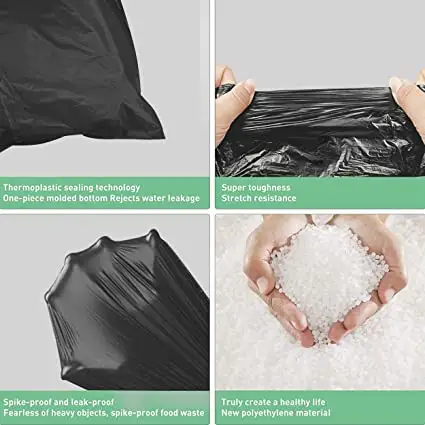
Sa propesyonal na pamamahala ng basura, ang teknikal na integridad ng isang liner ang pangunahing depensa laban sa kontaminasyon ng kapaligiran at sa hindi episyenteng operasyon. Ang mga anti-puncture na basurahan ay mga espesyalisadong solusyon para sa pag-iimbak na idinisenyo upang tumagal sa mga mekanikal na stress mula sa matutulis, mabibigat, o di-regular na basura na karaniwang sumisira sa isang karaniwang basurahan para sa tahanan. Mula sa pananaw ng industriya, ang tunay na resistensya sa pagtutusok ay hindi lamang isang resulta ng kapal ng plastik; ito ay bunga ng advanced na polymer blending at structural reinforcement. Sa pamamagitan ng pagbibigay-diin sa mataas na antas ng mga teknikal na kahilingan, ang mga organisasyon ay maaaring tiyakin ang isang maayos na proseso ng pagtatapon ng basura na kumukontrol sa panganib ng mapanganib na spill at binabawasan ang kabuuang dami ng plastik na ginagamit dahil sa hindi kinakailangang double-bagging.
Ang Tungkulin ng mga Resin na May Mataas na Performans sa Resistensya sa Pagtutusok
Ang pundasyon ng anumang liner na anti-puncture ay nakasalalay sa kanyang molecular na komposisyon. Hindi tulad ng mga pangkaraniwang plastic na bag para sa pangkalahatang gamit, ang mga professional-grade na basurang bag ay ginagawa gamit ang isang estratehikong halo ng Linear Low-Density Polyethylene (LLDPE) at High-Density Polyethylene (HDPE). Ang LLDPE ay lalo nang pinahahalagahan sa proseso ng paggawa dahil sa kanyang napakalaking tensile strength at mga katangian ng "elongation at break". Ibig sabihin, kapag isang matalas na bagay—tulad ng piraso ng metal o nabasag na salamin—ay nagpapasa ng presyon sa ibabaw, ang film ay lumalabas at nababaluktot palibot sa bagay imbes na pumapayag sa isang butas na lumawak. Ang ganitong "elastic memory" ay isang mahalagang katangian para sa anumang pasilidad na nakakatanggap ng hindi pantay na daloy ng basura, na nagbibigay ng isang maaasahang barrier na nananatiling panatag ang pisikal na hugis kahit nasa ilalim ng tensyon.
Teknolohiya ng Multi-Layer Co-Extrusion para sa Structural Integrity
Ang ekspertisya sa modernong pagmamanufacture ng plastics ay humantong sa pagbuo ng mga co-extruded films, na nag-aalok ng malaki ang proteksyon kumpara sa mga alternatibong single-layer. Sa pamamagitan ng pagkakasandwich ng iba't ibang resin formulation, maaari naming likhain ang mga waste bag na may matigas at abrasion-resistant na panlabas na balat at flexible na panloob na core na nakakapag-absorb ng impact. Ang multi-layered na diskarte na ito ay nagsisiguro na ang bag ay maaaring hilahin sa ibabaw ng magaspang na concrete o itapon sa mga industrial compactor nang hindi nababali o nabubuwal nang kritikal. Para sa mga high-traffic na komersyal na kapaligiran, ang teknolohiyang ito ay nagbibigay ng fail-safe mechanism, na nagsisigurong kahit ang panlabas na layer ay may minor scratch, ang mga panloob na layer ay pinipigilan ang basura na lumabas.
Enhanced Gauge Thickness at Dart Drop Strength
Ang mga teknikal na datos ang pinakamapagkakatiwalaang paraan upang sukatin ang tibay ng isang supot. Sa sektor ng mabigat na paggamit, ang mga supot para sa basura ay karaniwang tinutukoy batay sa kanilang "gauge" (kapal), na kadalasang nasa hanay na 1.5 mil hanggang 3.0 mil depende sa aplikasyon. Gayunpaman, ang mas mahalagang sukatan ay ang pagsusulit sa "Dart Drop" (pagsusulit sa epekto ng pagbagsak ng dart) (ASTM D1709), na sumusukat sa enerhiyang kinakailangan upang magdulot ng butas sa pamamagitan ng epekto ng kilikigan. Sa Sunho, ang aming mga protokol sa pagmamanupaktura ay binibigyang-prioridad ang mataas na mga halaga ng impact ng dart. Ito ay nag-aagarantiya na kapag malalaking basura ang ibinabato sa loob ng supot, ang pelikula ay sumisipsip sa enerhiya ng impact nang hindi nababasag. Para sa mga proyektong pangkonstruksyon at pang-demolisyong, kung saan ang basura ay madalas itinatapon nang may malakas na puwersa, ang resistensya sa impact ay ang pinakamahalagang katangiang teknikal.
Mga Teknik sa Tumpak na Pagse-seal upang Maiwasan ang Pagkabigo ng Estratektura
Isang karaniwang maling paniniwala ay ang mga butas ay nangyayari lamang sa gitna ng pelikulang-bag; gayunpaman, ang pagkabigo ng istruktura ay kadalasang nagsisimula sa seal. Ang mga de-kalidad na basurang-bag ay dapat may mga pinalakas na seal sa ilalim—karaniwang star seal o gusset seal—na nagpapamahagi ng bigat ng laman nang pantay-pantay. Kung mahina ang isang seal, ang panloob na presyon mula sa mabigat o matutulis na mga bagay ay pipilitin ang seam na putulin, na magdudulot ng kaguluhan na may parehong epekto sa isang butas. Sa pamamagitan ng paggamit ng teknolohiyang precision heat-sealing, tinitiyak namin na ang ilalim ng bag ay kasing-lakas ng mga sidewall. Mahalaga ito lalo na sa industriya ng hospitality at healthcare, kung saan ang lubos na pagkontrol sa basurang basa o posibleng biohazardous nang walang anumang leakage ay isang hindi mapag-uusap na kinakailangan.
Pantaktikal na Kaluwagan para sa Di-regular at Matutulis na Basura
Sa praktikal na pagtatapon ng basura, ang hugis ng basura ay kadalasan mas nakakasira kaysa sa kanyang timbang. Dapat taglayin ng mga anti-puncture na basurahan ang "kakayahang umangkop," na nagpapahintulot sa kanila na umangkop sa mga matutulis na sulok ng mga itinatapong kahon, PVC na tubo, o mga sobrang piraso ng kahoy. Kung ang isang plastic film ay labis na matigas, ito ay naging mapagkiling sa pagkabrittle kapag napapailalim sa stress. Sa pamamagitan ng pino at maingat na pag-aadjust sa density ng resin, ang mga propesyonal na tagagawa ay gumagawa ng mga basurahan na nananatiling nababaluktot kahit sa mga kondisyon ng malamig na panahon. Ang ganitong kakayahang umangkop ay nagpapatiyak na ang tensyon ay nananatiling nakadistribyu sa buong ibabaw ng basurahan, na nagpipigil sa mga lokal na punto ng stress—na ang pangunahing sanhi ng mga butas sa mga material na may mababang kalidad.
Kabisaan sa Gastos sa Pamamagitan ng Pagkakatiwala at Bawasan ang Basura
Mula sa pananaw ng konsultasyon at pagbili, ang pinakamahalagang katangian ng isang mataas na pagganap na anti-puncture na supot ay ang kanyang mahabang panahong kahusayan sa gastos. Mayroon itong benepisyo sa "Kabuuang Gastos sa Pagmamay-ari" na lubos na lumalampas sa paunang presyo ng pagbili. Ang mga pasilidad na umaasa sa mababang kalidad at manipis na supot para sa basura ay madalas na nakakaranas ng nakatagong gastos tulad ng "pagdadoble ng supot," dagdag na paggawa para sa paglilinis ng mga spill, at mas mataas na bayarin sa pagtatapon ng plastik. Sa pamamagitan ng paglipat sa isang mataas na resistensya at anti-puncture na liner, ang mga negosyo ay madalas na nababawasan ang kabuuang konsumo ng supot nang 30% o higit pa. Ang ganitong transparensya sa operasyonal na gastos ang dahilan kung bakit inuuna ng mga ekspertong tagapangasiwa ng basura ang kalidad kaysa sa pinakamababang presyo bawat yunit, dahil ang pagiging maaasahan ang susi sa pagpapanatili ng malinis at epektibong lugar ng trabaho.
Paglaban sa UV at Estabilidad sa Kemikal para sa Paggamit sa Industriya
Sa huli, ang tibay ng isang anti-puncture bag ay dapat lumawig din sa kanyang pagtutol sa mga panganib mula sa kapaligiran. Ang mga industrial waste bag ay madalas na inilalagay sa mga outdoor dumpster o inilalantad sa matitinding kemikal na ginagamit sa paglilinis. Ang UV radiation ay maaaring sirain ang mga polymer chain sa karaniwang plastic, kaya ito ay naging "nabubulok" at madaling sumira dahil sa stress cracking, na nagpapababa nang husto sa kanyang kakayahang tumutol sa puncture. Ang mga high-quality liners ay madalas na tinatamnan ng UV inhibitors at carbon black upang panatilihin ang kanilang mekanikal na katangian habang nakalantad sa labas. Bukod dito, ang chemical stability ay nag-aagarang hindi mababawasan o masisira ang bag kapag nakikipag-ugnayan sa mga langis, solvent, o acidic food waste, na nagbibigay ng isang komprehensibong solusyon sa containment na pare-pareho ang pagganap mula sa panahon ng pagkolekta hanggang sa panghuling pagtatapon.
Talaan ng Nilalaman
- Ang Tungkulin ng mga Resin na May Mataas na Performans sa Resistensya sa Pagtutusok
- Teknolohiya ng Multi-Layer Co-Extrusion para sa Structural Integrity
- Enhanced Gauge Thickness at Dart Drop Strength
- Mga Teknik sa Tumpak na Pagse-seal upang Maiwasan ang Pagkabigo ng Estratektura
- Pantaktikal na Kaluwagan para sa Di-regular at Matutulis na Basura
- Kabisaan sa Gastos sa Pamamagitan ng Pagkakatiwala at Bawasan ang Basura
- Paglaban sa UV at Estabilidad sa Kemikal para sa Paggamit sa Industriya