
 EN
EN
Kuelewa Changamoto ya Vinywele vya Kikapu cha Pampu
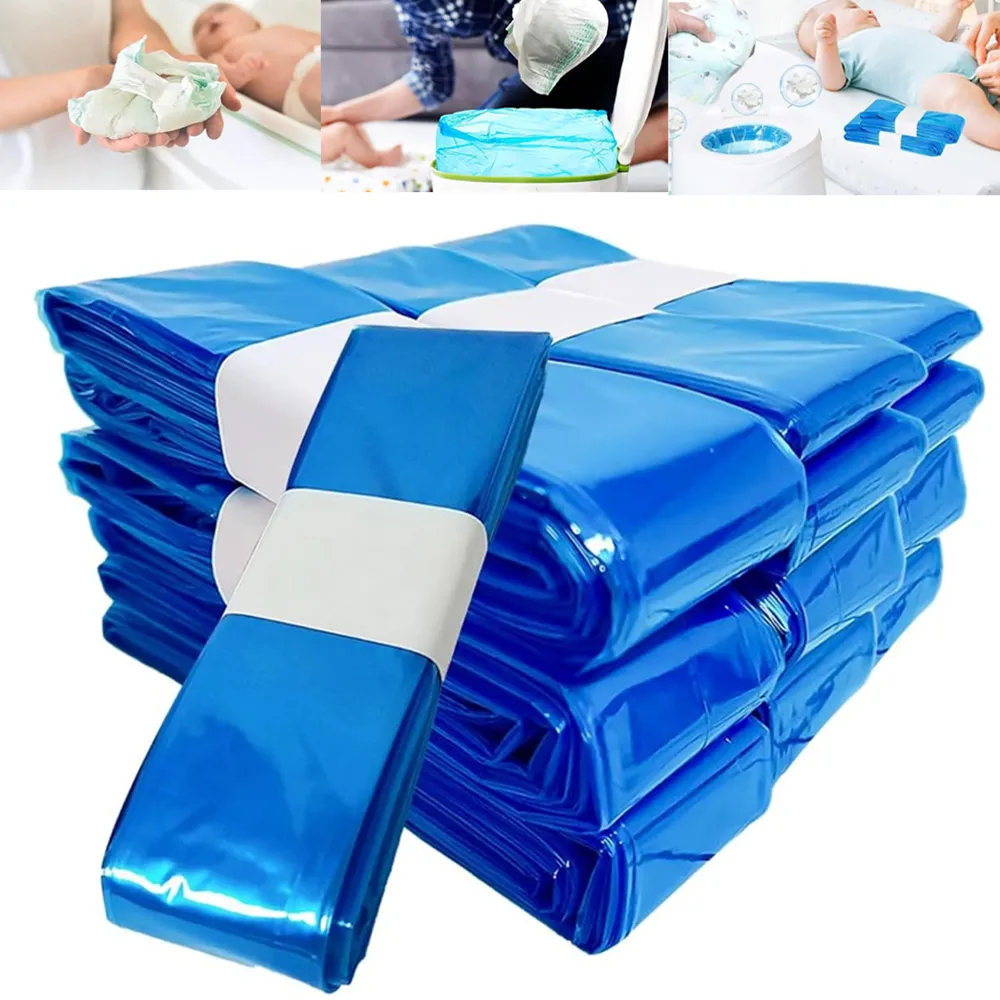
Kama mtengenezaji mwenye uzoefu zaidi ya miaka 15 katika kutengeneza mifupa ya plastiki ya ubora wa juu kwa matumizi ya nyumbani na biashara, nimewahi kuona kwa moyo jinsi ya wanyama wa kufanya kazi ya kuvuta hewa (diaper pail) yanaweza kuwa tatizo la kudumu kwa wazazi na vikundi vya kuhakikisha afya ya watoto. Mifupa ya kufanya kazi ya kuvuta hewa (diaper pail refills) ni bidhaa muhimu zinazotumika kuhifadhi mifupa iliyotumika, lakini bila mbinu sahihi za kuzuia wanyama, yanaweza kubadilisha chumba cha watoto kuwa mazingira ya kusikitisha. Kulingana na utafiti wetu wa kina na ushirikiano wetu na wataalamu wa huduma za watoto, nimegundua njia tano zilizothibitishwa za kutekeleza wanyama katika mifupa ya kufanya kazi ya kuvuta hewa.
Chagua Mifupa ya Kufanya Kazi ya Kuvuta Hewa Iliyo na Harufu na Inayotumia Teknolojia ya Kuzima Wanyama
Suluhisho la kwanza na la la kufanya kazi vizuri zaidi ni kuchagua mifuko ya pampu ya mtoto yenye vipengele vya kuondoa wanyama wa kuvutia kwa njia ya kisasa. Katika Sunho, tunajitolea katika kutengeneza mifuko ya plastiki yenye harufu maalum kwa kutumia vifaa vya LDPE na LLDPE vya kilele vilivyopakwa na harufu zenye muda mrefu kama vile lavenda, vanila, limau, na harufu za kisasa. Mtindo wetu wa uzalishaji unahakikisha kwamba harufu hizi zimegawanywa kwa usawa kwenye material ya mfuko badala ya kuburudishwa tu juu ya uso, kutoa udhibiti wa wanyama kwa muda mrefu wote wa matumizi ya mfuko. Ujumla ni kuangalia mifuko ya pampu ya mtoto ambayo haipunguzi tu wanyama kwa kutumia harufu kali bali inaondoa kikamilifu viungo vya ammonia na bakteria vinavyosababisha wanyama wa pampu ya mtoto. Timu yetu ya teknolojia imeundwa teknolojia ya kufunga harufu ambayo inaonyesha harufu kwa mtaratibu, ikidumisha uwezo wake kwa siku 30 baada ya kusakinishwa.
Tumia mfumo wa kufunga mara mbili kwa ulinzi wa juu
Kupitia ushirikiano wetu na vituo vya watoto na mito yote, tumejifunza kwamba kutumia mfumo wa kufunga mafuta mara mbili unapunguza sana kutokwa kwa nafasi. Njia hii inahusisha kutumia nguzo mbili za mafuta ya kubadilisha kwa mafuta—nguzo ya ndani ambayo huweka moja kwa moja mafuta yaliyotengenezwa na nguzo ya nje ambayo inatoa ukombozi wa ziada dhidi ya nafasi. Vifaa vyetu vya MDPE na HDPE vimeundwa kwa teknolojia ya kushirikiana kwa nguzo nyingi ambayo inaunda mikakati ya kidogo ambayo huzuia molekuli za nafasi kuingia katika plastiki. Unapotumia njia hii, hakikisha kwamba nguzo zote mbili zimefungwa vizuri kwa kutumia muundo wetu wa mistari ya kugusa rahisi ambayo unapunguza udhoofu wa kufunga mafuta yanayoshindwa kufungwa. Mfumo wa nguzo mbili unafanya kazi vizuri sana kwa familia zenye watoto wengi wanaovaa mafuta au vituo vinavyoshughulikia kiasi kikubwa cha mafuta yaliyotengenezwa.
Weka mpangilio wa kubadilisha kwa kawaida
Kosa kikubwa moja ambacho watumiaji wengi hufanya ni kujaza mizigo ya kubadilisha vifurushi vya kisima cha pampu zaidi ya uwezo wao uliojengwa. Kulingana na data iliyokusanywa kutoka kwa wateja wetu wa B2B katika sekta za utalii na afya, tunapendekeza kubadilisha vifurushi vya kisima cha pampu kila siku 3–5 nyakati kwa matumizi ya nyumbani na kila siku katika mazingira ya biashara. Chaguzi zetu za u thicknesi zilizotengenezwa kwa ajili ya mtu binafsi zinatupatia mizigo ya nguvu sana ambayo inaweza kushughulikia taka zaidi bila kupasuka, lakini hata mizigo yenye nguvu zaidi ina mipaka ya kujaza kwa maua. Kuunda mpangilio wa kubadilisha kila siku unadhibitisha ukuwepo wa bakteria ambayo husababisha maua yanayodumu. Tunapendekeza kuumia tarehe za kubadilisha kwenye eneo la kuchapisha la mfuko—kile tunachotoa kupitia chaguzi zetu za kuchapisha rangi moja au rangi nyingi—ili kudumisha uaminifu katika mazingira ya nyumbani yanayojitahidi au mazingira ya kitaaluma.
Tumia vinyonge vya asili pamoja na vifurushi vya ubora
Ingawa refills za kikapu cha mikono ya juu ya ubora wa juu huunda msingi wa udhibiti wa ndoa, kuzidisha zao na vinyo vya asili hujenga mfumo wa ulinzi wa kamili. Timu yetu ya utafutaji na maendeleo imejaribu mchanganyiko tofauti na kugundua kwamba kufunga sacheti za soda ya chumvi au kifurushi cha karboni iliyotengenezwa chini ya kikapu cha mikono, chini ya mbali zetu zilizotengenezwa kwa ajili ya kuingilia kati ya mabag, hujaza ndoa zilizo baki kwa ufanisi. Ujumla ni kuhakikisha kwamba vinyo hivi huvuruga uhai wa refills za kikapu cha mikono wenyewe. Mabag yetu ya kufold kwa moja kwa moja yanaruhusu uwekaji rahisi wa vinyo hivi vya ziada vya kupunguza ndoa bila kufanya mapango ambayo ndoa inaweza kutoa kupitia. Mbinu hii ya kipekee inatumia njia mbili: kudumisha ndoa mara moja kwa kutumia mabag na ubora wa hewa wa muda mrefu ndani ya chombo cha kikapu.
Boresha Masharti ya Uhifadhi na Mbinu za Kufunga Mabag
Strategia ya mwisho inahusisha mbinu za uhifadhi na ukamuzi zinazofaa ambazo zinapongeza ufanisi wa vituo vya kubadilisha vya kikombe cha mapacha. Joto na unyevu hujaza sana katika kuongeza udongo—kufanya uhifadhi wa vikombe vya mapacha katika eneo la baridi na nusu, hupunguza ukuaji wa bakteria. Mipangilio yetu ya teknolojia inajumuisha ongezo zinazolinda UV katika michoro yetu ya plastiki ambayo huzuia uvimbo wakati vituo vya kikombe vinawekwa karibu na madirisha. Pia ni muhimu sana kujifunza mbinu ya ukamuzi: vikabati vyetu vya kuvuta bila kuchukua (no-peeling-required) vina mfumo wa kufunga unaofahamika kwa urahisi ambao hujenga ukamuzi wa hewa wakati unafanywa kwa usahihi. Tunatoa maelekezo ya matumizi yanayotajwa kwa bidhaa zetu zinazouzwa kwa wingi, kwenye sanduku, au kwa kikabati chake kimoja cha PVC ili kuhakikisha watumiaji wa mwisho wapata matokeo ya juu. Kwa wateja wa biashara, tunatoa vitabu vya mafundisho kuhusu miongozo ya ukamuzi sahihi ambayo yamepunguza wasiwasi kuhusu udongo kwa asilimia 78 katika utafiti uliofanywa kwa kudhibiti.
Hitimisho
Kudhibiti vinywele katika mizigo ya kubadilisha pamba ya mtoto inahitaji mpango wa kuzingatia mambo mengi ambayo unajumuisha bidhaa bora pamoja na njia za kutumia kwa usahihi. Kama mfanyikazi wa OEM/ODM uliopatikana kuhusu soko la kimataifa, Sunho inajitahidi kutoa suluhisho zinazoweza kubadilishwa kwa ajili ya mizigo ya kubadilisha pamba ya mtoto ili kusaidia kudhibiti vinywele kwa kina. Je, unahitaji harufu maalum, ukuu wa kifurushi, au chaguo cha kuchapisha kwa jina lako la biashara? Ujuzi wetu katika matukio ya LDPE, LLDPE, MDPE, na HDPE unahakikisha utendaji bora. Kwa kutumia strategia hizi tano—kuchagua mizigo yenye harufu na yanayotunza dhidi ya vinywele; kutumia mfumo wa kubadilisha mara mbili; kudumisha mpangilio wa kubadilisha kwa mara kila wakati; kujumuisha vitu vya kusuka vyenye asili; na kuboresha hali za uhifadhi—utaweza kudumisha mazingira ya upya na ya afya kwa watoto na wale wanaowasaidia pia.
Orodha ya Maudhui
- Kuelewa Changamoto ya Vinywele vya Kikapu cha Pampu
- Chagua Mifupa ya Kufanya Kazi ya Kuvuta Hewa Iliyo na Harufu na Inayotumia Teknolojia ya Kuzima Wanyama
- Tumia mfumo wa kufunga mara mbili kwa ulinzi wa juu
- Weka mpangilio wa kubadilisha kwa kawaida
- Tumia vinyonge vya asili pamoja na vifurushi vya ubora
- Boresha Masharti ya Uhifadhi na Mbinu za Kufunga Mabag
- Hitimisho