
 EN
EN
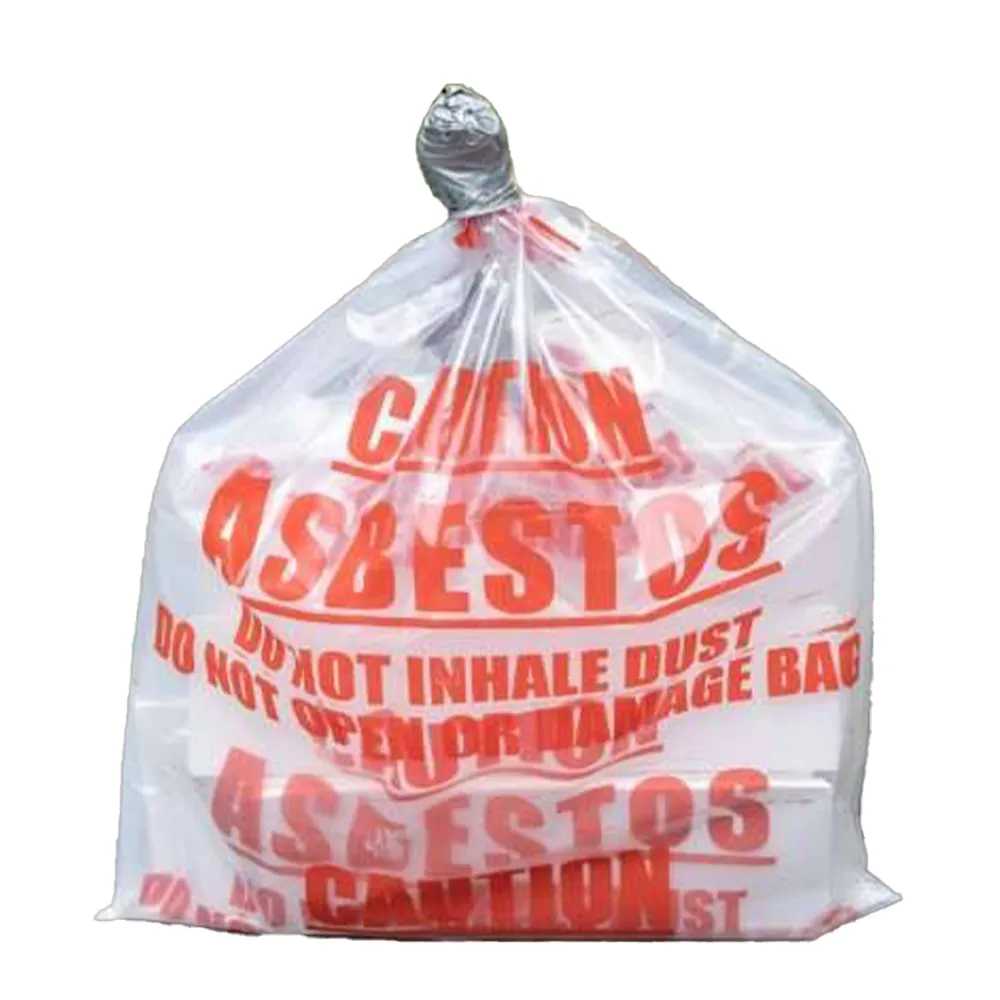
Manipulácia s azbestom je jednou z najcitlivejších a najnebezpečnejších úloh v oblasti hospodárenia s odpadom. Keď pracujete s touto nebezpečnou látkou, neporušenosť vašej izolačnej riešenia nie je len otázkou pohodlia – ide o kritický bezpečnostný a právny požiadavok. Vrecia na azbest sú špeciálne navrhnuté práve na tento účel, avšak ich účinnosť závisí výlučne od správneho použitia. Ako profesionálny výrobca, ktorý od roku 2009 dodáva prispôsobené riešenia plastových vrecí na celosvetové trhy, má spoločnosť Sunho rozsiahle skúsenosti s výrobou vrecí, ktoré spĺňajú prísne medzinárodné bezpečnostné normy. Tento návod vás prevedie základnými krokmi a opatreniami, ktoré je potrebné dodržať, aby ste vrecia na azbest používali bezpečne a chránili tak svoje zdravie aj životné prostredie.
Porozumenie jedinečnému účelu vrecí na azbest
Je nevyhnutné pochopiť, že nie všetky vrecia na ťažké zaťaženie sú vhodné na manipuláciu s azbestom. Vrecia na azbest sú špeciálne navrhnuté tak, aby zabránili uvoľneniu smrteľných vlákien. Spoločnosť Sunho tieto vrecia vyrába z vysokokvalitných, nepoužitých materiálov, ktoré spĺňajú prísne regulačné požiadavky pre trhy ako je Európa, Severná Amerika a Austrália. Tieto vrecia musia byť odolné voči trhaniu, nepriepustné pre prienik a ich švy musia byť dostatočne pevné na to, aby vydržali hmotnosť obsahu bez roztrhnutia. Používanie bežných odpadkových vreciek na odpad obsahujúci azbest je nezákonné a mimoriadne nebezpečné, pretože vlákna sa môžu ľahko uvoľniť cez tenké miesta alebo napäté švy. Naše výrobky sú navrhnuté tak, aby slúžili ako spoľahlivá primárna bariéra pri obsahovaní nebezpečného odpadu, čo odráža náš záväzok voči kvalite a bezpečnosti.
Výber správneho vreca na azbest pre vašu úlohu
Pred začatím akejkoľvek práce musíte vybrať správny vrecový obal. Vrecká na azbest sú dostupné v rôznych veľkostiach a hrúbkach, ktoré sa zvyčajne udávajú v mikrónoch alebo miloch. Napríklad podľa britských predpisov musia mať vrecká hrúbku najmenej 250 gauge (63 mikrónov) a musia byť jasne a trvalo označené. Spoločnosť Sunho vyrába vrecká na mieru podľa špecifických požiadaviek klientov tak, aby materiál, veľkosť a potlač spĺňali miestne predpisy týkajúce sa likvidácie odpadu. Vždy sa uistite, že používané vrecko obsahuje vhodné varovania pred nebezpečenstvom a zodpovedajúce technické špecifikácie. Jednou z kľúčových poznatkov z našich rokov skúseností je, že použitie príliš malého alebo nedostatočne špecifikovaného vrecka je bežnou príčinou poruchy. Vrecko by malo mať dostatočnú veľkosť na umiestnenie odpadu bez nadmerného násilia, ktoré by mohlo namáhať materiál a švy.
Správne techniky uzatvárania a manipulácie s vreckami na azbest
Spôsob, akým uzatvoríte asbestový vrecúško, je rovnako dôležitý ako samotné vrecúško. Hlavným cieľom je vytvoriť vzduchotesné uzavretie. Najprv vždy použite dvojité balenie odpadu. To znamená, že naplnené a uzatvorené vnútorné vrecúško umiestnite do druhého, čistého asbestového vrecúška. Pri procese uzatvárania použite metódu „labutieho krku“: zozbierajte hrdlo vrecúška, pevne ho skrúťte a potom ho preložte tak, aby vznikol kruh (podobne ako labutí krk). Toto preloženie pevne zaistite vysokokvalitnou, schválenou lepiacou páskou a niekoľkokrát ju obvijte okolo hrdla. Nikdy nepoužívajte jednoduché povrazky ani bežnú obalovú pásku. Spoločnosť Sunho často odporúča svojim klientom najvhodnejšie metódy lepenia počas technického hodnotenia, čím zabezpečuje, že celý systém – vrecúško aj uzatvorenie – funguje súladne a zabráni uvoľneniu vlákien.
Nakladanie, limitné hmotnosti a opatrenia pri preprave
Porozumenie nosnej kapacite a technikám nákladu je kľúčové pre bezpečnú prepravu. Hoci tašky na azbest sú pevné, majú svoje limity. Preplnenie tašky nielen zvyšuje riziko jej prasknutia, ale tiež komplikuje správne uzavretie. Tašku by ste nikdy nemali napĺňať viac ako do troch štvrtín jej objemu, aby ste nechali dostatok materiálu v hornej časti na vytvorenie bezpečného „labutieho krku“. Okrem toho dbajte na ostré predmety; dokonca aj odpad obsahujúci azbest, napríklad staré podlahové dlaždice alebo izolácia potrubia, môže mať ostré hrany. Pri umiestňovaní tašky do druhej tašky skontrolujte vnútornú tašku na prítomnosť zachytení alebo trhlin. Počas prepravy do licencovanej zariadenia na likvidáciu musia byť tašky umiestnené v uzamknutom a krytom kontajneri alebo kontajnerovej nádobe, aby sa zabránilo neoprávnenému prístupu a aby boli chránené pred počasím, ktoré by mohlo postupne poškodzovať plast. Naši klienti z oblasti stavebníctva a demolícií profitujú z našej odbornej skúsenosti pri odporúčaní vhodných špecifikácií tašiek na bezpečnú manipuláciu s konkrétnymi typmi materiálov obsahujúcich azbest (ACM).
Dodržiavanie predpisov, označovanie a právne zodpovednosti
Bezpečné používanie tašiek na azbest nie je len fyzický proces, ale aj právny. Vo väčšine krajín platia prísne predpisy týkajúce sa označovania a likvidácie odpadu obsahujúceho azbest. Tašky musia byť jasne označené štandardným varovným symbolom pre nebezpečenstvo azbestu a správnym kódom klasifikácie pre daný odpad. V spoločnosti Sunho nám vlastný výrobný proces umožňuje tlačiť tieto povinné varovania priamo na tašky, čím zabezpečujeme dodržiavanie predpisov od miesta ich použitia. Uvedomujeme si, že naši klienti pôsobia na zrelých trhoch s rozmanitými štandardmi, preto sú naše výrobné linky nastavené tak, aby vyhovovali týmto rôznym právnym požiadavkám. Nesprávne označenie tašiek na azbest môže mať za následok významné pokuty a environmentálne škody. Preto vždy overte, či označenie vašich tašiek zodpovedá kritériám prijatia stanoviskom pre likvidáciu odpadu vo vašej lokalite.
Prečo je odborná výrobná skúsenosť dôležitá pri nebezpečnom odpade
Nakoniec spoľahlivosť vašej stratégie obsadenia azbestu začína u výrobcu. So skúsenosťami nadobudnutými počas viac ako desaťročia ako národného vysokotechnologického podniku a držiteľa viac ako 20 patentov spoločnosť Sunho prináša autoritatívnu odbornosť do výroby vreciek na nebezpečný odpad. Naša kvalitná manažérska sústava certifikovaná podľa normy ISO 9001 zabezpečuje, že každá dávka vreciek na azbest prechádza prísne kontrolovanou kontrolou – od spracovania surovín až po hotový výrobok. Spolupracujeme s firmami z rebríčka Fortune 500 a s mnohými kotovanými podnikmi, pretože sa spoliehajú na našu stabilnú výrobnú kapacitu a konzistentnú kvalitu. Keď ide o bezpečnosť, ktorá je nevyhnutná a nepredmetom vyjednávania, najlepšou zárukou je výber výrobcu, ktorý má hlboké pochopenie medzinárodných predpisov a overený rekord v oblasti bezpečnosti. Výberom spoločnosti Sunho si nezakúpite len vrecko, ale investujete do partnerstva založeného na odbornosti, spoľahlivosti a spoločnom záväzku voči bezpečnosti.
Obsah
- Porozumenie jedinečnému účelu vrecí na azbest
- Výber správneho vreca na azbest pre vašu úlohu
- Správne techniky uzatvárania a manipulácie s vreckami na azbest
- Nakladanie, limitné hmotnosti a opatrenia pri preprave
- Dodržiavanie predpisov, označovanie a právne zodpovednosti
- Prečo je odborná výrobná skúsenosť dôležitá pri nebezpečnom odpade