
 EN
EN
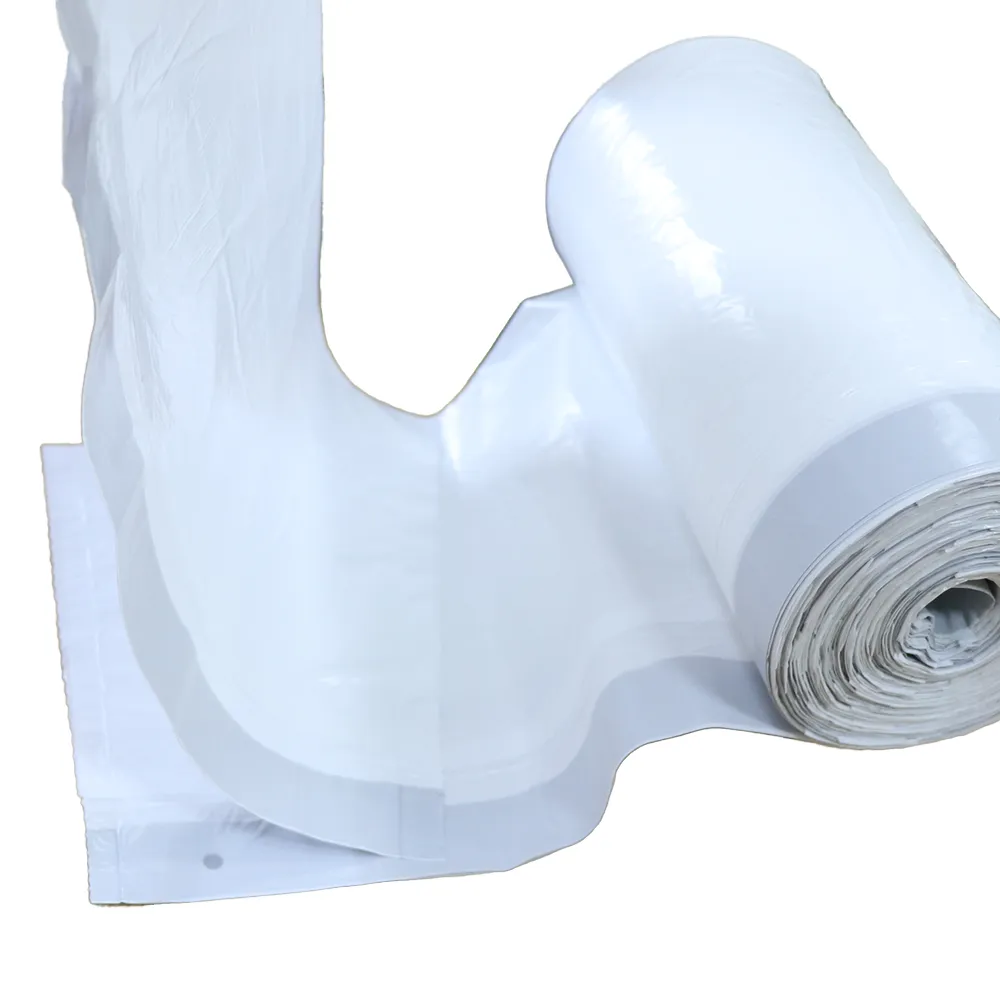
מציאת פתרון מיטבי לניהול פסולת נובעת לעתים קרובות גורם קריטי אחד: עמידות. בין אם אתם מנהלים פסולת ביתית או שאריות תעשייתיות, שקית שקורעת או מדליפת יכולה להפוך משימה פשוטה לאי-סדר מסוכן ובלתי היגייני. בעת בחירת שקיות לאיסוף פסולת, יש להתמקד במאפיינים הטכניים המגדירים את חוזקן, ולא רק במראה החיצוני שלהן. ב־Sunho השקענו עשורים שלמים בשיפור תהליכי הייצור שלנו כדי להבטיח שהשקיות שלנו עומדות במבחנים הקשיחים של השימוש היומיומי. מדריך זה יוביל אתכם דרך הקריטריונים המרכזיים לבחירת שקית שלא תיכשל בכם, בהתבסס על סטנדרטים מקצועיים לייצור ומדעי החומרים.
הבינו את חשיבות צפיפות החומר ואיכות הרזין
הבסיס של כל שקית אשפה עמידה הוא הרזין המשמש בתהליך היציקה. באופן כללי, תפגשו שני סוגי רזינים עיקריים: פוליאתילן ליניארי נמוך הצפיפות (LLDPE) ופוליאתילן בצפיפות גבוהה (HDPE). LLDPE ידוע בהתנגדותו המצוינת לקולקול וליכולת ההימתחות שלו, מה שהופך אותו לבחירה האידיאלית לאובייקטים מחודדים או חדים כמו זכוכית שברה או חריגי עץ. מצד שני, HDPE מצוין למשימות כבדות שאינן חדות, בזכות חוזקו המתיחה הגבוה. כדי להבטיח עמידות מקסימלית, אנו משתמשים ברזינים טריים באיכות גבוהה. על ידי הימנעות משימוש מוגזם ב"חזרה לעיבוד" (regrind) או ממלאים מעודנים נמוכי איכות, הקשרים המולקולריים בסרט נשארים חזקים. זה מונע את התופעה של דקיקות או "קריסת הזיפר" (zippering), שבה קציצה קטנה הופכת לקרע עצום. בעת סריקת האפשרויות, תמיד בדקו אם היצרן מציין את סוג הרזין, שכן זהו השורה הראשונה של ההגנה נגד כישלון השקית.
אנליזת עובי ומדידה לביצועים כבדים
טעות נפוצה היא שכולה שקיות עבות הן חזקות, אך המציאות היא שקיים איזון בין עובי (שמודד במיקרונים או במיל) ובין שלמות החומר. עבור פסולת מטבח ביתית סטנדרטית, עובי של 12–15 מיקרון הוא לרוב מספיק. עם זאת, לשימוש תעשייתי או בחוץ, יש לבחור בשקיות מקצועיות שמעביהן עולה על 20 מיקרון. בקווי הייצור שלנו ב־Sunho, אנו מתמקדים בשליטה עקבייה בעובי. אם לשקית יש "נקודות דקיקות" עקב ייצור לקוי, העובי המפורסם הופך ללא רלוונטי, משום שהשקית תיכשל בנקודת החולשה שלה. שקיות אשפה באמת עמידות שומרות על עובי אחיד בכל פני השטח שלהן. בעת בחירת האספקה שלכם, בקשו את גיליון נתוני הטכניקה כדי לאשר את דירוג המיקרונים, במיוחד אם אתם מטפלים בפסולת אורגנית כבדה או בחורף בנייה שמפעילה לחץ חיצוני משמעותי על קירות הפלסטיק.
ערכו את שלמות החיבור התחתון כדי למנוע דליפות
אפילו סרט פלסטיק החזק ביותר הופך לחסר תועלת אם חיבור התחתית נפרץ. החיבור הוא נקודת הכשל הנפוצה ביותר במרכבים זולים. קיימים שלושה סוגי חיבורים עיקריים: חיבורים שטוחים, חיבורים עם כיסים צדדיים (גוסט) וחיבורים בצורת כוכב. החיבור בצורת כוכב נחשב באופן רחב לתקן הזהב מבחינת עמידות. על ידי קיפול חלק התחתון של השקית מספר פעמים וחיבורו בנקודה אחת, מבנה ה"כוכב" מאפשר לשקית להתאים את עצמה לצורת המיכל. בכך נמנעים רווחים שבהם נוזלים יכולים להצטבר, והמשקל של הפסולת מתפזר באופן אחיד לאורך החיבור במקום להתמקד בקצוות שלו. התמקדות ייצורית שלנו היא בטכניקות חיבור מחוזקות כדי להבטיח שהשקיות שלנו לא ידליפו, גם כשנשאות פסולת רטובה. לפני שביצעתם רכישה גדולה, בדקו את מבנה החיבור; חיבור מחוזק הוא סימן מובהק למוצר שתוכנן לתקופת חיים ארוכה ולא רק על בסיס מחיר נמוך.
שקלו תכונות متخصصות עבור אתגרי פסולת ספציפיים
עמידות אינה קשורה רק למשקל; היא גם קשורה לאופן שבו השקית מתמודדת עם הסביבה. לדוגמה, אם סללי הפסולת שלכם מאוחסנים בחוץ, עמידות ל־UV הופכת לגורם חשוב, מכיוון שהאור השמשי עלול לפגוע בפלסטיק סטנדרטי ולהפוך אותו שברירי לאורך זמן. בנוסף, מערכת האיטום — בין אם מדובר בטיפוס המסורתי של ידית לקשירה, חוט משיכה או פיה פשוטה — משפיעה על כמות הלחץ שהשקית יכולה לספוג במהלך ההובלה. שקיות עם חוט משיכה נוחות לשימוש, אך דורשות שפה מחוזקת כדי למנוע מהחוט "לנשוך" את הפלסטיק בעת הרמת השקית. אנו מעצבים את המוצרים שלנו כך שיכללו ידיות מחוזקות וקצות עליונים עמידים לקריעות, כדי להבטיח שתהליך הוצאת השקית מהסל לא יביא לקריעה מלמעלה למטה. בחירת שקית עם קצה עליון מחוזק מבטיחה שהחלק המוכבּד ביותר של שקיות הפסולת — החלק שאליו אוחזים — יהיה חזק באותה מידה כמו התחתית.
הדרישות הראשונות הן שקיפות ותקנים מוכחים לייצור
במגזר ה-B2B והמגזר התעשייתי, אמון נבנה על עקביות. שקית עמידה היא כזו שמפגינה את אותה הביצועיות בינוואר כמו ביולי. זה מחייב יצרן שладור שליטה מלאה בשורת האספקה שלו ובהנחיות קפדניות של בקרת איכות (QC). בחברת סאן-הו אנו מדגישים את המונח "עשרות שנים" של אמינות, ולא מבטיחים "אורך חיים לכל החיים", מאחר שאנו מודעים למגבלות האמיתיות של מדעי הפולימרים. אנו בוחנים את שקיות הזבל שלנו במבחן נפילת חץ (Dart Drop Impact) למדידת התנגדות לקולקול, וכן במבחן התפשטות קריעות. בעת בחירת ספקים, יש לחפש אלו שיכולים לספק נתונים ממשיים על הביצועים, ולא רק מושגים שיווקיים מעורפלים כגון "חזקה במיוחד". מוצר עמיד באמת נתמך על ידי מחויבות לדיוק טכני והבנה של הדרישות הספציפיות של ניהול פסולת, מה שמבטיח שהמתקנים שלכם ישארו נקיים והפעולות שלכם ימשיכו להיות יעילות.