
 EN
EN
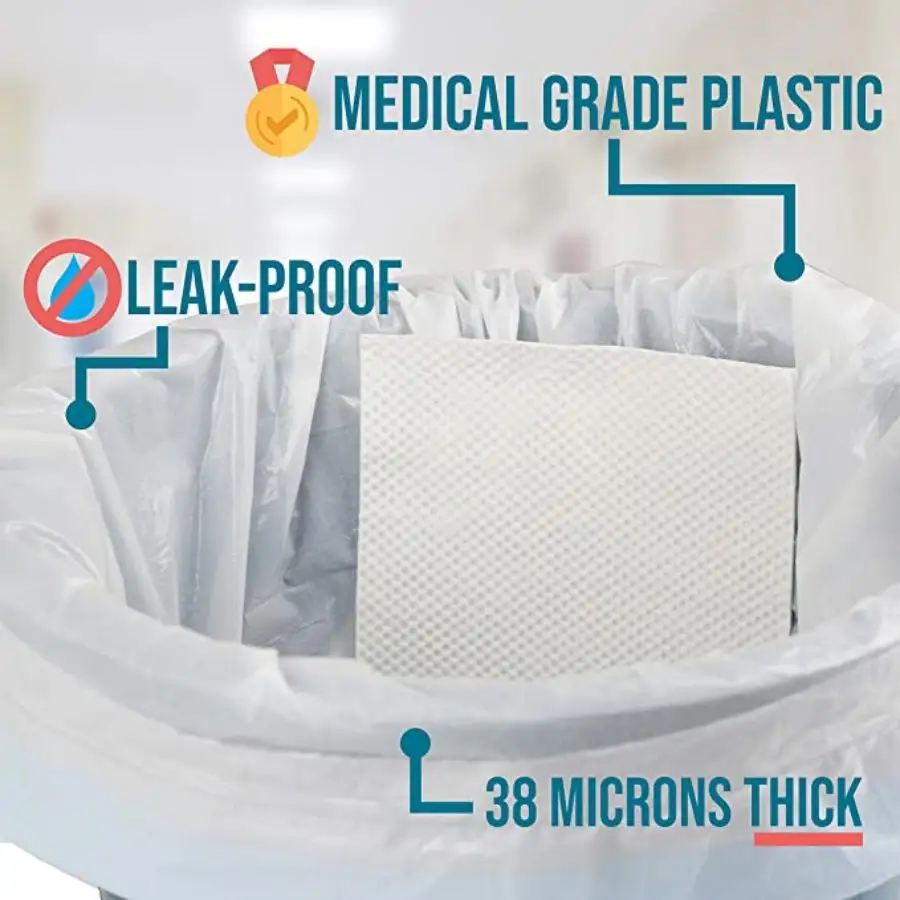
בתחום הטיפול המקצועי ובניהול הבית, פירוק הפסולת דורש פתרונות שמציבים את ההיגיינה וההכלה במעלה התורנות. עבור מנהלי מתקנים ומעריכים, הכלי העיקרי בתהליך זה הוא שקית הקלאזט. עם זאת, המפרט הטכני משתנה במידה רבה בין מוצרים. בחירת פתרון מהימן דורשת הבנה של האיזון בין חוזק החומר, מניעת דליפות וקלות השימוש. באסנהו, אנו עוסקים במשך עשורים בייצור שקיות ניהול פסולת באיכות גבוהה שמתמקדות ביעילות הפעולה. בהתבסס על ניסיון הייצור העצום שלנו, זיהינו חמישה טיפים חיוניים שיעזרו לכם לבחור את הפתרון היעיל ביותר כיסי סירון לדרישותיכם, תוך ודאות שהנקיון יישאר הסטנדרט בכל סביבה.
העדיפו חומרים בעלי צפיפות גבוהה למניעת דליפות מיטבית
הדרישה החשובה ביותר מכל שקית היא שלמותה תחת משקל. כדי להבטיח מהימנות, חשוב לחפש כיסי סירון יוצר מפוליאתילן באיכות גבוהה. ספציפית, פוליאתילן בצפיפות גבוהה (HDPE) מספק את חוזק המתח הדרוש להחזקת נוזלים ללא התארכות עד לנקודת הכשל. במפעל היצור שלנו, אנו מתמקדים בשליטה עקיבה בעובי כדי להיפטר מנקודות דקיקות. בעת הערכת בידוד, יש לבדוק את הדירוג במיקרונים. בידוד ברמה מקצועית אמור להציע טקסטורה עקיבה, אשר היא תוצר של הצפיפות המולקולרית הדרושה למניעת חדירה. על ידי בחירת חומר שתוכנן לדיוק ועמידות, אתם מספקים מחסום חיוני שמאגן ציוד ומשאיר את הסביבה יבשה וטיהורה.
הערכה של טכנולוגיית החסימה כדי להבטיח כיסוי מרבי
גם סרט פלסטי חזק ביותר עלול להיכשל אם החיבורים המבניים חלשים. בסביבות מקצועיות, החיבור התחתון של ה כיסי סירון היא נקודת היכשלות השכיחה ביותר. חתימות שטוחות-חמה מסורתיות עלולות להשאיר פערים קטנים בפינות, שם הלחץ הוא הגבוה ביותר. כדי לפתור בעיה זו, אנו ממליצים להשתמש בטכניקות חתימה מחוזקות, כגון חתימת הכוכב. עיצוב זה מאגד את הפלסטיק לנקודת חיזוק אחת, מה שמאפשר לקוֹרָה להתאים עצמה באופן מושלם לצורת הדלי לאיסוף. הפצת המשקל הזו מונעת את כישלון התחתית כאשר הקורה מלאה. בעת בחירת האספקה שלכם, חפשו מוצר עם בנייה מחוזקת בתחתית, שכן הפרט הטכני הזה מבטיח רמת אחסון גבוהה יותר בהשוואה לקוראות סטנדרטיות.
הטמעת טכנולוגיית ספיגה לניהול נוזלים
קוֹרָה באיכות גבוהה היא חלק מהמערכת שנועדה לנהל יעילות פסולת נוזלית. אחד המלצות החשובות לבחירת כיסי סירון המטרה היא להבטיח שמתאימים לשימוש עם מגבות סופגות על-ספוגות. מגבות אלו מעוצבות כדי להמיר נוזלים לג'ל יציב תוך שניות. הקיפוץ המהיר הזה קריטי לצמצום סיכון להתפרצויות במהלך ההובלה ולכידת הריחות במקורם. מן הפרספקטיבה המקצועית, ניהול היציבות של הפסולת הוא רכיב מרכזי בפרוטוקולי היגיינה המודרניים. כאשר התכולה הופכת למחומרת, הפתרון שלה נעשה יעיל בהרבה ומייצר הרבה פחות בלאגן. יש תמיד לוודא שממדיו של המיכל מאפשרים למגבת הסופגת לשבת שטוחה בתחתית, כדי להבטיח ספיגה אופטימלית.
התמקדו בהתאמה אוניברסלית ובקלות הסגירה האמינה
בסביבת טיפול מהירה, יעילות היא חיונית. הטוב ביותר כיסי סירון מתוכננים עם התאמה אוניברסלית שמתאימה לדיות סטנדרטיות. התאמה נכונה מבטיחה שהכיסוי מתנשף באופן בטוח על הקצוות, ומונעת ממנו להחליק במהלך השימוש. בנוסף, מנגנון הסגירה הוא חיוני לביטחון לאחר השימוש. אנו ממליצים על כיסויים שכוללים חוטי משיכה מובנים או ידיות קשירה עמידות. תכונות אלו מאפשרות איטום צמוד ללא מגע ישיר עם התכנים. תהליך היצור שלנו מדגיש את החיזוק של השפה העליונה של השקית, כדי להבטיח שמערכת הסגירה לא תקרע את הפלסטיק בעת הפעלתה בלחיצה. מערכת סגירה בטוחה וקלה לשימוש היא סימן מובהק של מוצר מעוצב היטב.
אמת תהליך ייצור שקוף ותקנים איכותיים
אמון במוצר היגיינה נבנה דרך ביצוע עקבי. כיסי סירון חשוב לשתף פעולה עם יצרן שמתנהל על פי פרוטוקולי בקרת איכות (QC) קפדניים. בחברת סאן-הו, אנו מתמקדים באספקת מפרידים עמידים ואמינים שעובדו לאורך שנים של ייצור, ובוחנים אותם בהתנגדות לקולבנית ולשלמות החסימה. ספק אמינה צריך לספק مواדיות ברורות בנוגע להרכב החומר וליכולת התמיכה במשא. שקיפות בשרשרת האספקה מבטיחה שהמפרידים שתקבלו היום יפעלו בדיוק כמו אלו שקבלתם בעבר. על ידי העדפת ספק בעל רקורד מוכח בתחום היצרנות הפלסטיקית, אתם מבטיחים לעצמכם שורה אמינה של הגנה לניהול פסולת יומיומי.
שאלות נפוצות
באיזו תדירות יש להחליף מפריד כסא רחצה?
למען היגיינה מקסימלית וניקיון כיסי סירון יש להחליף לאחר כל שימוש בודד. זה מונע הצטברות ריחות ומבטיח שהסביבה תישאר טרייה ומזוהמת עבור כל מי שמעורב.
האם מפרידים אלו מתאימים לשימוש כבד?
כן, אך חשוב לבדוק את עובי המיקרון. יישומים כבדים דורשים כיסי סירון עם צפיפות מוגברת וחותם כוכב מחוזק כדי להתמודד עם לחץ ונפח גבוהים יותר. יש תמיד להתייעץ בגיליון נתוני הטכניים שסופק על ידי היצרן.