
 EN
EN
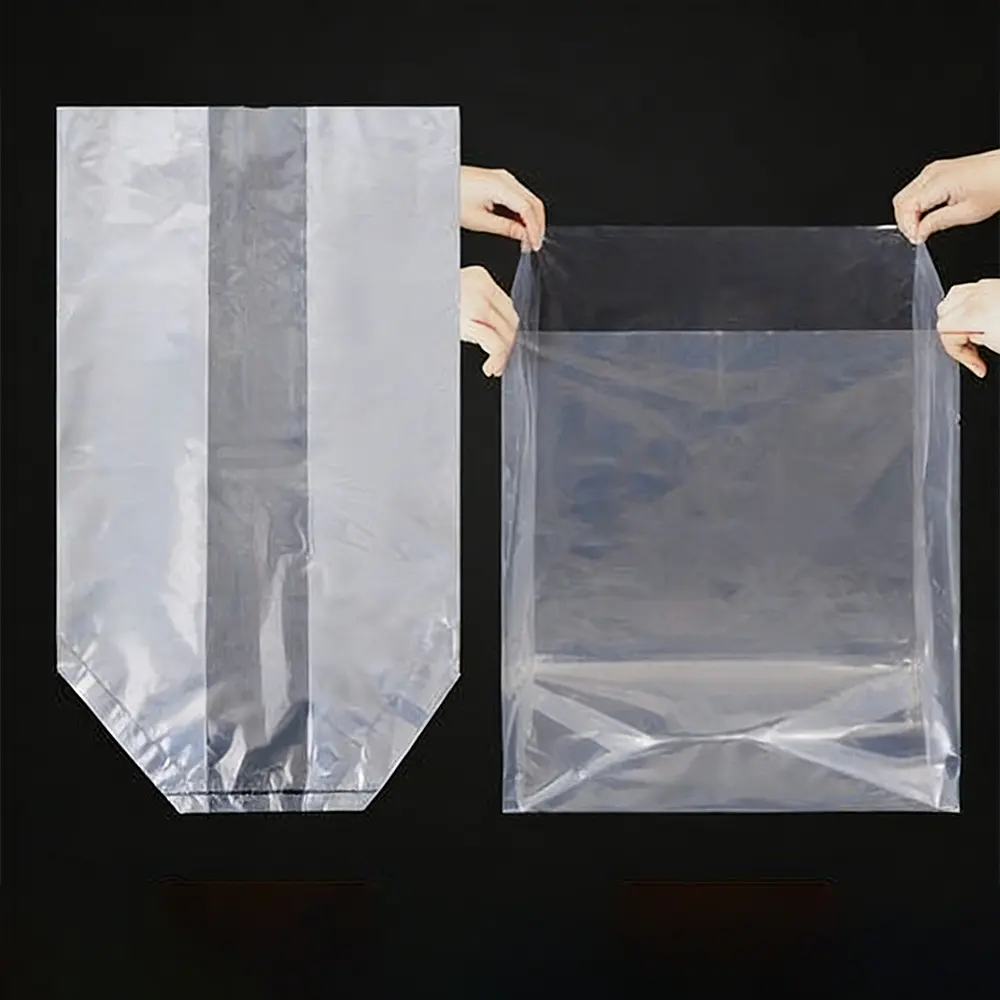
প্যালেট কভার কী এবং আধুনিক যুক্তিবদ্ধ সরবরাহ ব্যবস্থায় এগুলি কেন গুরুত্বপূর্ণ?
দৈনিক গুদাম পরিচালনায়, পণ্যগুলিকে পরিবেশগত প্রভাব থেকে রক্ষা করা একটি চিরন্তন চ্যালেঞ্জ। প্যাকেজিং ও যুক্তিবদ্ধ সরবরাহ ব্যবস্থা উন্নয়নের ব্যবহারিক অভিজ্ঞতা অনুযায়ী, ভালোভাবে প্যাক করা পণ্যগুলিও সংরক্ষণ ও পরিবহনকালীন সময়ে দূষণ বা আর্দ্রতা-সম্পর্কিত সমস্যার শিকার হতে পারে। এখানেই প্যালেট কভারগুলি একটি গুরুত্বপূর্ণ ভূমিকা পালন করে।
প্যালেট কভারগুলি হল সুরক্ষামূলক বাইরের স্তর, যা ধূলিকণা, ময়লা এবং আর্দ্রতা সহ বাহ্যিক উপাদান থেকে প্যালেটযুক্ত পণ্যগুলিকে রক্ষা করার জন্য ডিজাইন করা হয়েছে। পলিইথিলিন (PE) এর মতো টেকসই প্লাস্টিক উপাদান দিয়ে তৈরি প্যালেট কভারগুলি তাদের নমনীয়তা এবং প্রয়োগের সহজতার কারণে বিভিন্ন শিল্পখাতে ব্যাপকভাবে ব্যবহৃত হয়। অনেক লজিস্টিক্স পরিবেশে, পণ্য ক্ষতি কমানো এবং গুণগত মান বজায় রাখার জন্য প্যালেট কভার ব্যবহার করাকে একটি মানদণ্ড সুরক্ষা অনুশীলন হিসাবে বিবেচনা করা হয়।
খাদ্য, ফার্মাসিউটিক্যাল, ইলেকট্রনিক্স এবং টেক্সটাইলসহ বিভিন্ন শিল্পখাতের জন্য, প্যালেট কভারগুলি প্যাকেজিং সুরক্ষাকে উন্নত করার জন্য একটি ব্যবহারিক ও খরচ-কার্যকর সমাধান প্রদান করে, যা অপারেশনাল জটিলতা উল্লেখযোগ্যভাবে বাড়ায় না।
প্যালেট কভারগুলি কীভাবে ধূলিকণা দূষণ কার্যকরভাবে প্রতিরোধ করে
ধূলিকণার দূষণ গুদামগুলিতে সবচেয়ে ঘনঘন ঘটে এমন সমস্যাগুলির মধ্যে একটি, বিশেষ করে উচ্চ-ট্রাফিক বা আংশিকভাবে খোলা পরিবেশে। বাস্তব জগতের গুদাম পর্যবেক্ষণ থেকে দেখা যায় যে, বাতাসে ভাসমান কণাগুলি সহজেই প্রকাশিত পণ্যগুলির উপর জমা হতে পারে, যার ফলে স্বাস্থ্য সংক্রান্ত উদ্বেগ এবং সম্ভাব্য পণ্য প্রত্যাখ্যানের ঝুঁকি তৈরি হয়। প্যালেট কভারগুলি একটি শারীরিক বাধা হিসাবে কাজ করে এই ঝুঁকিকে সর্বনিম্নে নামিয়ে আনতে সাহায্য করে।
যখন সঠিকভাবে প্রয়োগ করা হয়, প্যালেট কভারগুলি প্যালেট লোডের উপরের এবং পার্শ্বীয় অংশগুলিকে সম্পূর্ণরূপে আবৃত করে, যার ফলে বাতাসে ভাসমান ধূলিকণার সংস্পর্শে আসার ঝুঁকি উল্লেখযোগ্যভাবে কমে যায়। পরিবহন এবং হ্যান্ডলিংয়ের সময় এটি বিশেষভাবে গুরুত্বপূর্ণ, যখন পণ্যগুলি বিভিন্ন পরিবেশের মধ্যে প্রায়শই স্থানান্তরিত হয়। অনেক লজিস্টিক্স অপারেটর পণ্যের পরিষ্কার-পরিচ্ছন্নতা বজায় রাখার জন্য প্যালেট কভারগুলিকে একটি সরল কিন্তু কার্যকর পদ্ধতি হিসাবে নির্ভর করেন।
এছাড়াও, প্যালেট কভারগুলি প্যাকেজিংয়ের বাহ্যিক চেহারা রক্ষা করতে সাহায্য করে, যা ব্র্যান্ড ধারণা এবং গ্রাহক সন্তুষ্টির জন্য অত্যন্ত গুরুত্বপূর্ণ। প্যালেট কভারগুলি চরম পরিস্থিতিতে ধূলিকণা সম্পূর্ণরূপে দূর করতে পারে না, তবে সাধারণ সংরক্ষণ ও পরিবহন পরিস্থিতিতে দূষণ কমাতে এগুলি অত্যন্ত কার্যকর।
আর্দ্রতা সুরক্ষায় প্যালেট কভারগুলির ভূমিকা
আর্দ্রতা ক্ষতি ধূলিকণা দূষণের চেয়ে প্রায়শই আরও জটিল, কারণ এটি আর্দ্রতার মাত্রা, তাপমাত্রার ওঠানামা এবং ঘনীভবনকে জড়িত করে। ব্যবহারিক প্রয়োগে, প্যালেট কভারগুলি এই ঝুঁকির বিরুদ্ধে একটি গুরুত্বপূর্ণ প্রথম স্তরের প্রতিরক্ষা প্রদান করে।
প্লাস্টিক প্যালেট কভার, বিশেষ করে PE উপাদান দিয়ে তৈরি কভারগুলি, হালকা জল সংস্পর্শ, ছিটকে পড়া জল এবং সংযোগ প্রতিরোধ করতে পারে। ছোট দূরত্বের পরিবহন বা অস্থায়ী সংরক্ষণের সময়, প্যালেট কভারগুলি আর্দ্রতা ও পণ্যের মধ্যে সরাসরি যোগাযোগ রোধ করতে সাহায্য করে। যখন পণ্যগুলি বিভিন্ন আর্দ্রতা স্তরের পরিবেশের মধ্যে স্থানান্তরিত হয়, তখন এটি বিশেষভাবে উপযোগী।
তবে এটা লক্ষ করা গুরুত্বপূর্ণ যে প্যালেট কভারগুলি একটি সম্পূর্ণ আবদ্ধ আর্দ্রতা-প্রতিরোধী ব্যবস্থা নয়। উচ্চ-আর্দ্রতা পরিবেশ বা দীর্ঘমেয়াদী সংরক্ষণ অবস্থায় স্ট্রেচ ওয়্যার্পিং, শুষ্ককারী (ডেসিক্যান্ট) বা আবদ্ধ প্যাকেজিং সহ অতিরিক্ত সুরক্ষামূলক ব্যবস্থা প্রয়োজন হতে পারে। তবুও, লজিস্টিক্স অপারেশনে দৈনন্দিন আর্দ্রতা-সম্পর্কিত ঝুঁকি কমাতে প্যালেট কভারগুলি একটি অপরিহার্য উপাদান হিসেবে বজায় থাকে।
প্যালেট কভারের বাস্তব-জগতের অ্যাপ্লিকেশন এবং শিল্প চর্চা
লজিস্টিক্স ও প্যাকেজিং শিল্প জুড়ে, প্যালেট কভারগুলিকে একটি মানসম্মত সুরক্ষামূলক সমাধান হিসেবে ব্যাপকভাবে ব্যবহার করা হয়। শিল্প চর্চা এবং কার্যক্রম-ভিত্তিক অভিজ্ঞতার ভিত্তিতে, প্যালেট কভারগুলি সাধারণত নিম্নলিখিত পরিস্থিতিতে প্রয়োগ করা হয়:
- ●খোলা বা আংশিক-খোলা গোডাউনে অস্থায়ী সংরক্ষণ
- ●বিভিন্ন পরিবেশগত অবস্থায় সুবিধা থেকে সুবিধায় পরিবহন
- ●লোডিং ও আনলোডিং প্রক্রিয়ার সময় সুরক্ষা
- ●সীমান্ত-অতিক্রমী শিপিংয়ের সময় ধূলিকণা ও আর্দ্রতা থেকে সুরক্ষা
উদাহরণস্বরূপ, খাদ্য প্যাকেজিং অপারেশনে, সংরক্ষণের সময় স্বাস্থ্য মানদণ্ড বজায় রাখতে প্যালেট কভারগুলি প্রায়শই ব্যবহৃত হয়। ইলেকট্রনিক্স লজিস্টিক্সে, প্যালেট কভারগুলি পরিবহনের সময় আর্দ্রতা-সম্পর্কিত ক্ষতির ঝুঁকি কমাতে সাহায্য করে। এই ব্যবহারিক অ্যাপ্লিকেশনগুলি প্রদর্শন করে যে প্যালেট কভারগুলি কেবল তাত্ত্বিক সমাধান নয়, বরং বাস্তব সাপ্লাই চেইনে প্রমাণিত সরঞ্জাম।
প্যালেট কভারগুলির আরেকটি সুবিধা হলো এদের দক্ষতা। বিশেষায়িত সরঞ্জাম ছাড়াই এগুলি দ্রুত প্রয়োগ করা যায়, যা উচ্চ-পরিমাণ অপারেশনের জন্য এদের উপযুক্ত করে তোলে। রক্ষণাবেক্ষণ এবং কার্যক্রমের সরলতার মধ্যে এই ভারসাম্য প্যালেট কভারগুলির ব্যাপক গ্রহণের প্রধান কারণগুলির মধ্যে একটি।
প্যালেট কভার কার্যকরভাবে ব্যবহার করার সেরা অনুশীলন
প্যালেট কভারগুলির কার্যকারিতা সর্বাধিক করতে সঠিক ব্যবহার অত্যাবশ্যক। ব্যবহারিক লজিস্টিক্স অভিজ্ঞতা থেকে জানা যায়, ভুল প্রয়োগ এদের রক্ষণাবেক্ষণমূলক কার্যকারিতা হ্রাস করতে পারে।
প্রথমত, প্যালেট লোডের সম্পূর্ণ আবরণ নিশ্চিত করার জন্য সর্বদা সঠিক আকারের প্যালেট কভার নির্বাচন করুন। খারাপভাবে ফিট করা প্যালেট কভারগুলি ধূলিকণা এবং আর্দ্রতা প্রবেশের অনুমতি দিতে ফাঁক রেখে দিতে পারে। দ্বিতীয়ত, হ্যান্ডলিং বা পরিবহনের সময় সরানো রোধ করার জন্য প্যালেট কভারগুলি সঠিকভাবে সুরক্ষিত করুন।
তৃতীয়ত, আপনার প্রয়োগের উপর ভিত্তি করে সঠিক উপাদান এবং পুরুত্ব নির্বাচন করুন। ভারী-দায়িত্ব বহনকারী প্যালেট কভারগুলি শিল্প পণ্য বা দীর্ঘ-দূরত্বের পরিবহনের জন্য বেশি উপযুক্ত হতে পারে, অন্যদিকে স্বল্পমেয়াদী সঞ্চয়ের জন্য হালকা বিকল্পগুলি ব্যবহার করা যেতে পারে।
অবশেষে, প্যালেট কভারগুলিকে একটি বৃহত্তর প্যাকেজিং কৌশলের অংশ হিসাবে একীভূত করা উচিত। প্যালেট কভারগুলিকে স্ট্রেচ ফিল্ম ওয়্যার্পিং বা অভ্যন্তরীণ প্যাকেজিংয়ের সাথে একত্রিত করলে সামগ্রিক সুরক্ষার উল্লেখযোগ্য উন্নতি ঘটানো যায়। অনেক পেশাদার লজিস্টিক্স সেটআপে, প্যালেট কভারগুলিকে একটি স্তরযুক্ত সুরক্ষা ব্যবস্থার অংশ হিসাবে ব্যবহার করা হয়, না যে একটি স্বতন্ত্র সমাধান হিসাবে।
সারাংশে, প্যালেট কভারগুলি সঠিকভাবে ব্যবহার করলে ধূলিকণা দ্বারা দূষণ প্রতিরোধ করতে এবং আর্দ্রতা থেকে পণ্যের প্রকাশের হার কমাতে কার্যকরভাবে সক্ষম। যদিও এগুলি নিয়ন্ত্রিত স্টোরেজ পরিবেশের সম্পূর্ণ প্রতিস্থাপন নয়, প্যালেট কভারগুলি সরবরাহ শৃঙ্খল জুড়ে পণ্যগুলির রক্ষা এবং পণ্যের গুণগত মান বজায় রাখার জন্য একটি বিশ্বস্ত, খরচ-কার্যকর এবং শিল্প-প্রমাণিত পদ্ধতি প্রদান করে।