
 EN
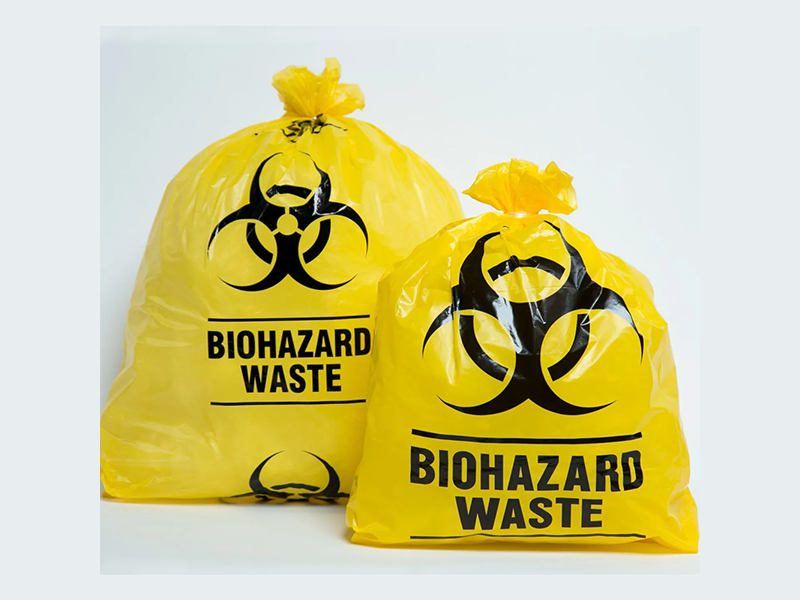
Yellow waste bags are not a preference in a clinical setting, they are a control, because the colour is what makes an infectious waste stream visible to every person who handles it. The gap between a compliant stream and a contaminated one is usually a sorting error made in a hurry. Buyers who specify yellow waste bags as part of a coded system get a stream that survives an audit. The guidance below covers real facilities, the failure modes of a broken code, the engineering behind the colour, and a buyer checklist for clinical waste and color coded bags.
Real-World Industry Case / Scenario
A Clinic That Passed Its Audit
A clinic standardised on yellow waste bags for its infectious stream and briefed every clinical and support role on what belongs in them, then passed its waste audit without a finding. The buyer learned that the colour is the control, and that medical waste bags only work when the people filling them know the code. The segregation held because the system was simple and the training was universal.
Specified against the real duty, waste bags pays back through fewer failures and longer service.
Buyers who weigh material and specification as highly as price get more from waste bags.
A waste programme begins with the volume, because a container sized for the average day fails on the peak one.
A Ward That Broke the Code
A ward ran out of yellow waste bags mid-shift and staff used the nearest container, which mixed the infectious stream with general waste and forced a costly re-sort. Restoring the supply and adding a second dispensing point fixed it. The buyer learned that a colour code fails the moment the stock runs out, and that clinical waste segregation depends on availability.
Buyers who log each unit of waste bags after every shift catch small faults before they become safety issues.
Dispense at the point of generation. A colour code works when the right container is within reach of the person producing the waste, and fails when they have to walk. Buyers who site the yellow waste bags at the point of use protect the clinical waste stream from the shortcut that time pressure creates.
Staff training on segregation matters as much as the container itself, because a mis-sorted bag contaminates the whole stream.
Risk & Failure Mode Analysis
Mis-Sorting Under Time Pressure
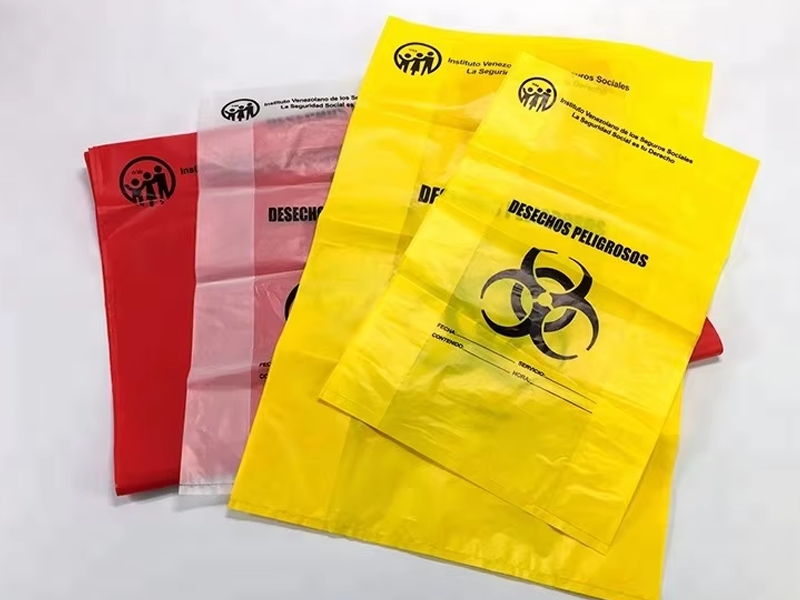
The dominant risk in a coded waste system is mis-sorting under time pressure, because a clinician who cannot find the right container uses the nearest one. A single mis-sorted yellow waste bag contaminates a general stream and turns a routine collection into a re-sort. The fix is dispensing at the point of generation and a brief that names what belongs where, because color coded bags only work when the right one is within reach.
The case for waste bags is strongest where demand is continuous and the specification is fixed.
Audit the stream periodically. A coded system drifts as staff change and habits form, so a periodic check of what is actually in the bags catches the drift early. Buyers who audit the clinical waste stream find the mis-sort before an inspector does.
Stock-Out and Code Collapse
A second risk is the stock-out, because a colour code collapses the moment the coloured supply runs out and staff default to whatever is available. A facility that treats the medical waste bags as a commodity reorders late and pays for the re-sort. The buyer should hold a defined reserve at each dispensing point, because clinical waste segregation is a supply discipline as much as a policy.
Choosing waste bags starts with the duty, the environment, and the volume involved.
A documented care routine keeps waste bags inside rated limits and extends working life.
Technical Principles & Standard Compliance
Colour Coding, Gauge, and Closure
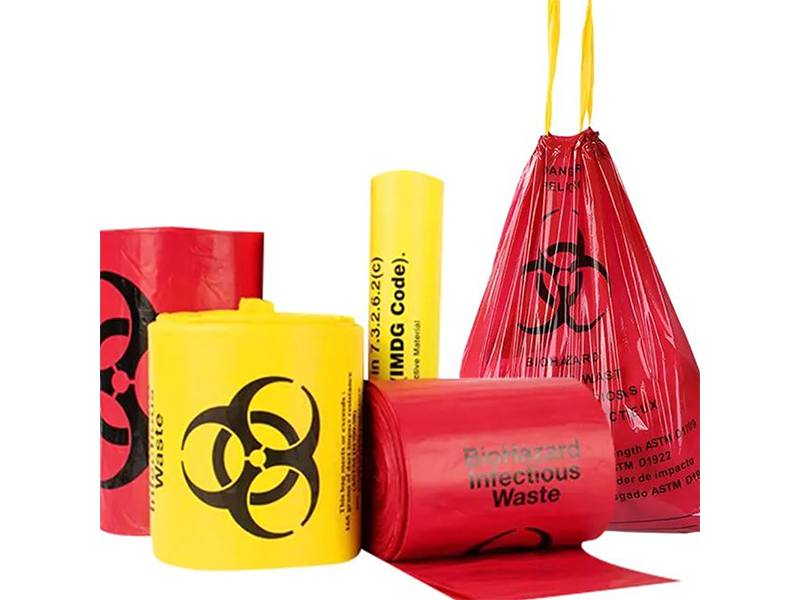
Yellow waste bags work because the colour is the fastest signal a busy clinician can read, and the system depends on three things holding together: the code, the gauge, and the closure. The code has to be consistent across the facility and matched to the local regulation, because color coded bags are only meaningful if every handler reads them the same way. The gauge has to carry the load without splitting, since a clinical waste bag that fails in transit is a spill and an exposure. The closure matters too, because an open medical waste bag leaks and a properly closed one does not. The material should suit the treatment route the waste will take, because a bag specified for one process can fail in another. Buyers should confirm the colour convention, the gauge, the closure, and the treatment compatibility together, because yellow waste bags specified as a colour rather than as a system create a compliance gap.
A clean, dry store keeps waste bags serviceable and shortens the return-to-service time.
Match the bag to the treatment route. A yellow waste bag going to a particular treatment needs a material that route accepts, and one that does not is rejected at the gate. Buyers who confirm the route with the contractor avoid the cost of a rejected consignment.
Actionable Buyer & Maintenance Guide
Running a Coded System
Buyers should confirm the colour convention against the local regulation, place the yellow waste bags at the point of generation, brief every role on what belongs in them, and hold a reserve at each dispensing point. Suppliers of yellow waste bags such as Sunho provide a clinical waste plan that names colour, gauge, closure, and treatment route. A short refresher at onboarding keeps the code intact. Medical waste bags specified as a system pass the audit; those specified as a colour do not.
Brief the non-clinical staff too. Cleaners, porters, and maintenance all handle the stream and a mis-sort by any of them breaks the code. A yellow waste bag system that trains only the clinicians fails at the point where the bag is actually moved.
The best return on waste bags comes when installation and maintenance are treated as part of the product.
Frequently Asked Questions
Question 1: Why yellow specifically?
Answer: Yellow is the convention that signals an infectious or hazardous clinical stream in most regulated systems, so the colour does the communicating that a label cannot. Yellow waste bags let any handler read the stream at a glance. Buyers should confirm the convention against the local regulation, because color coded bags only work if everyone reads them the same way.
Question 2: What happens if the code is broken?
Answer: A broken code contaminates the other stream and forces a re-sort, which costs more than the bags and can create an exposure. A single mis-sorted yellow waste bag can turn a routine collection into an incident. Buyers who keep the supply available at the point of generation protect the clinical waste stream from the pressure that breaks it.
Question 3: Does the closure matter?
Answer: The closure matters as much as the colour, because an open medical waste bag leaks in transit and a properly closed one does not. Buyers should specify the closure with the bag rather than separately. Yellow waste bags that cannot be sealed properly fail the handling requirement even when the colour is right.
Question 4: How is stock-out prevented?
Answer: Stock-out is prevented by holding a defined reserve at each dispensing point and reordering on a level rather than on a habit. A colour code collapses the moment the coloured supply runs out. Buyers who treat the clinical waste supply as a controlled stock keep the segregation intact through a busy shift.