
 EN
EN
የቦርሳ መጨናነት እና የክብደት አቅም የሚያስተዳድር ሳይንስ
በሱንሆ ፋብሪካ ውስጥ በሚሊዮኖች የሚቆጠሩ የፖሊኢቲሊን ከረጢቶችን በማምረት ላይ ከአስር ዓመት በላይ ያሳለፍኩ ሲሆን ውፍረት የቁጥር ዝርዝር መግለጫ ብቻ አለመሆኑን አስተውያለሁ-በጭንቀት ውስጥ ያሉ የቢንኬር ከረጢቶች መዋቅራዊ ጥንካሬን በቀጥታ ይወስ የቴክኒክ ቡድናችን በ LDPE፣ LLDPE፣ MDPE እና HDPE ቁሳቁሶች ላይ የተሟላ የጭነት መቋቋም ሙከራዎችን አካሂዷል፤ በማይክሮን ወይም በሚል የሚለካው ውፍረት ከጉድፍ መቋቋም ጋር ተያያዥነት እንዳለው በተከታታይ አረጋግ ለምሳሌ ያህል፣ መደበኛ የሆነ የኩሽና ቆሻሻ መጣያ ከረጢት ከ15 ማይክሮን ርዝመት ያለው ከ5-8 ኪሎ ግራም አጠቃላይ ቆሻሻን ማስተናገድ ይችላል፣ የእኛ ግንባታ ግን ከ30 ማይክሮን ርዝመት ያለው ከ20 ኪሎ ግራም በላይ ያለማዛባቱ ሊይዝ ይችላል። ይህ የሚሆነው የሚፈስሰውን ውሃ ለማስወገድ ብቻ አይደለም፤ በቂ ውፍረት የሌለው ውሃ ሽታ እንዲወጣና ተባዮችን እንዲስብ የሚያደርግና በመኖሪያና በንግድ አካባቢዎች የንፅህና አጠባበቅን የሚገድብ ማይክሮ-እንባ ያስከትላል።
ቁሳዊ ውፍረትና ውፍረት - ወሳኝ አጋርነት
ብዙ የսራተኞች ሁሉ ጥልቅ ቦርሳዎች በተመሳሳይ ይሰራሉ የሚለውን ትክክለኛ ያልሆነ አስተሳሰብ ይኖራሉ፣ ነገር ግን የእኛ የኢንጂነሪንግ ልምድ የሚያሳየው የቦርሳው የማድረሻ አይነት በከፍተኛ ሁኔታ የቦርሳውን ጥልቀት እና የሥራ አፈፃፀም መካከል ያለውን ግንኙነት ይቆጣጠራል። ከፍተኛ የግዢ ፖሊኤቲሊን (HDPE) ቦርሳዎች በዝቅተኛ ጥልቀት የሚገኙ ቢሆኑም ከዝቅተኛ የግዢ ፖሊኤቲሊን (LDPE) ቦርሳዎች ጋር ሲነፃፀር የበለጠ ጥንካላዊ ሆኖ ይቀርባሉ፣ ምክንያቱም HDPE የበለጠ ከፍተኛ የተዘረጋ ጥንካላዊነት እና የሞሌኪውሎች ድርጅት አለው። በሱንሆ የእኛ ቦርሳዎች የጥልቀት ደረጃዎች በየተለየው የቦርሳው አይነት መሰረት የተለየ ናቸው—ለHDPE የንግድ ቦርሳዎች 20-25 ሚክሮን እና ለLDPE የቤት አገልግሎት ቦርሳዎች 30-35 ሚክሮን እንመከራለን እና ተመሳሳይ የቋሚነት አፈፃፀም እንዲገኝ እንደሚያደርጉ እንገልጻለን። ይህ የሙያ ልምድ የደንበኞችን ከፍተኛ የጥልቀት የተለየ የስራ ዝርዝር (እና ከፍተኛ ዋጋ ለመክፈል) የማያስፈልጉ ቦርሳዎችን ወይም የተዋሃደ የስራ ዝርዝር እና የስራ አፈፃፀም ማድረግ የማይቻል ሁኔታን ማስወገድ ይረዳል። የእኛ የተለያዩ ተጨማሪ ቅርጽ ቴክኖሎጂ የተለያዩ ተጨማሪ ቦርሳዎችን ለመፍጠር ይረዳል፣ ይህም የ HDPE የውስጥ ቅርጽ በጣም ጥንካሽ እና በጣም ጥልቀት ያለው ሲሆን የውጭ ቅርጽ ደግሞ የ LDPE በጣም ተነዋኝ ነው፣ ስለዚህ የጥልቀት ብቃት ይሻሻላል።
በትክክለኛ የጥልቀት የማዘጋጀት ምክንያት የዋጋ ብክለት
በሆስፒታሊቲ ማኅበራት እና የከተማ ትንሽ ብረት አገልግሎቶች ጋር ያለን የኦኢኤም አጋርነቶች በመጠቀም፣ ትክክለኛውን መጨናነቅ መምረጥ በረጅም ጊዜ ውስጥ ትልቅ የገንዘብ ማዳን ይፈጥራል ተገለጸ። በጣም ጥልቅ የሆኑ ቢን ባዶ ቁሳቁሶች የካርቦን ቁሳቁሶችን ይበላሉ እና በአንድ ክፍል ዋጋ ከ40-60% ያህል ይጨምራሉ፣ በሌላ በኩል በጣም ቀላል መጨናነቅ የሁለት ባዶ ቁሳቁሶችን መጠቀም ይፈጽማል ይህም በአጠቃላይ በጣም ብዙ ፓላስቲክ ይጠቀማል። ከሆስፒታል የሆነ የደንበኞቻችን ከአጠቃላይ 40-ሚክሮን ባዶ ቁሳቁሶች ወደ 25-ሚክሮን ብዙ የተሰራ ኤችዲፔኢ ዲዛይን በተሻሻለ በሆነ በሆነ ባዶ ቁሳቁሶች ተቀይሯል፣ ይህም የዓመቱ ባዶ ቁሳቁሶች ወጪን በ$12,000 በመቀነስ እና የፓላስቲክ ጥቅም ምንጮችን በ35% በመቀነስ የገንዘብ ማዳን እና የፓላስቲክ ጥቅም ምንጮችን በተመሳሳይ በመቀነስ ያስተዋውቀዋል። የተለየ የመጨናነቅ አማራጭዎቻችን የተለያዩ የብረት ፍሰቶች ለተለያዩ ጥቅሞች በትክክል ማስተካከል ይችላሉ— ለנייר እንደገና መጠቀም ቀላል የሆኑ የመጨናነቅ ደረጃዎች፣ ለአጠቃላይ ብረት መካከለኛ የስራ አቅም፣ ለገበያ ብረት ወይም ለተ sharp ነገሮች ግን የተጠበቀ የሥራ አቀማመጥ ይጠቀማል።
የአካባቢ ተፅእኖ እና የመጨናነቅ ምርጥ ማስተካከል
በዘመናዊ የቆሻሻ አያያዝ ውስጥ የአካባቢ ጥበቃ ኃላፊነት ከጊዜ ወደ ጊዜ እየጨመረ የመጣው የውፍረት ውሳኔዎችን ይመራል። ቀጭንና ጠንካራ የሆኑ የቦርሳ ከረጢቶች የፕላስቲክ ፍጆታን ይቀንሳሉ፤ ሆኖም ግን የቦርሳዎቹን ምትክ የሚጠይቁትን ጊዜ ያለፈባቸው ብልሽቶች ለማስወገድ ሲባል ብቻ ነው። በሱንሆ፣ በከፍተኛ ፖሊመር ድብልቅ እና ተጨማሪ ጥቅሎች አማካኝነት ዝቅተኛ ውፍረት ላይ አፈፃፀምን የሚጠብቁ የባለቤትነት ቀመሮችን አዘጋጅተናል። ለምሳሌ የእኛ የ LLDPE ቅመሞች ከተለመደው LDPE ጋር ሲነፃፀሩ 30% የተሻለ የመበጠስ መቋቋም የሚያስችሉ ሲሆን ይህም አስተማማኝነትን ሳያጎድፍ ለመቀነስ ያስችለናል። ደንበኞቻችንን "ቀጭኑ ሁልጊዜ አረንጓዴ አይደለም" ብለን በግልፅ እናሳውቃለን የተሳሳተ ቀጭን ሻንጣ ሶስት ጊዜ ተተክቶ ከተገቢው ወፍራም እና ዘላቂ ሻንጣ የበለጠ የአካባቢ ጫና ይፈጥራል። የእኛ የሕይወት ዑደት ግምገማዎች ደንበኞች ለተወሰኑ ዘላቂነት ግቦቻቸው ተስማሚውን ውፍረት ሚዛን እንዲለዩ ይረዳቸዋል።
የደህንነት እና የተዛማጅነት ነጥቦች
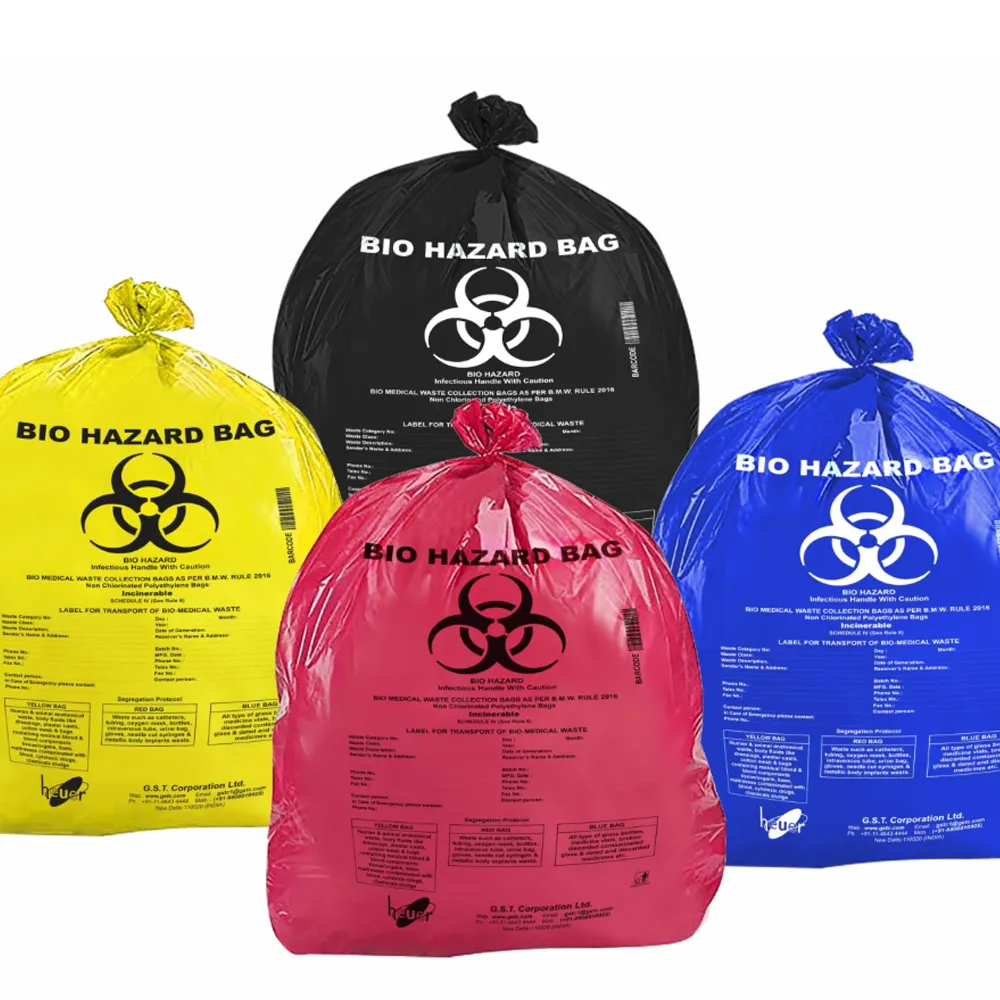
በጤና ልማት፣ የምግብ አገልግሎት እና የባድ ቆሻሻ መተግበሪያዎች ውስጥ የቦታው ጥላ በቀጥታ የመንፈስ ተስፋ እና የደህንነት ስርዓቶችን ይጠብቅናል። የሕክምና ተቋማት ለማቅረብ ያለን ልምድ የሚያሳየው የባዮሃዘርድ ቁሳቁሶች ለቦታ ባዶ በሚሆኑ ቦታዎች የሚጠቀሙ ቦታ ባዶዎች የተወሰኑ ጥላ ደረጃዎችን (በአጠቃላይ 1.25-1.5 ሚልስ በታች) መከተል አለባቸው እንዲሁም የإبر ማስተካከያ እና የተፈሳሽ አፈስ ከሚከተሉት የOSHA እና CDC መመሪያዎች ውስጥ ይከላከላሉ። እነዚህን አስፈላጊ መተግበሪያዎች በ±5% የተስተካከለ ጥላ ተስፋ ጋር እናስተዳድራለን—ይህ ከኢንዱስትሪ የተለመደው ±10% የተሻለ ነው—እና እያንዳንዱ ቦታ ባዶ የማረጋገጫ መስፈርት ይከተላል። ለኢንዱስትሪ የሚሠሩ የሚያገለግሉ የተለመዱ የብረት ወይም የግላስ ቆሻሻዎች ለማስተዳድር የሚያገለግሉ የተጨመረ በጣም ጥልቅ 3-4 ሚልስ ቦታ ባዶዎችን ከተጨመረ የሰውነት ግንኙነት ጋር እናስተዳድራለን ይህም ከ50 ኒውተን በላይ የሚሆን የማስገባት ኃይልን ይቋቋማል። እነዚህ የተወሰኑ የተገለጸ አይደሉም፤ እነዚህ የሰው ልጅ የደህንነት ምክንያት የሚያስተዋውቀው የድህነት መረጃ እና የመንፈስ አወჯን ናቸው።
ለተለየ መተግበሪያዎች የተለየ ዲዛይን
መደበኛ የቢን ቦርሳዎች እምብዛም ልዩ የሆኑ የአሠራር ፈተናዎችን አያሟሉም ፣ ለዚህም ነው የኦዲኤም አገልግሎቶቻችን ወፍራምነትን ማበጀት ላይ የሚያተኩሩት። ለችርቻሮ ልብስ ጥበቃ እጅግ በጣም ቀጭን የ8 ማይክሮን ከፍተኛ ግልፅነት ያላቸው ሻንጣዎችን አዘጋጅተናል፤ ከጠንካራነት በላይ የሚታየው ለዕይታ ነው፤ በተቃራኒው ደግሞ የኮንክሪት ቁርጥራጮችን ለሚይዙ የ5 ሚሊ ሜትር ጥንካሬ ያላቸው ሻንጣዎች የቴክኒክ ምክክር ሂደታችን ትክክለኛውን ውፍረት ለመመከር የቆሻሻውን ጥንቅር፣ የማስወገድ ዘዴዎችን እና የመያዝ ድግግሞሽ መተንተን ያካትታል። የባህር ምግቦችን ለማቀነባበር ለደንበኛችን ለኦስትሪ ሽንኩርት በተለይ የተሻሉ የመቆንጠጫ መቋቋም ችሎታ ያላቸው የ 2 ሚሊ ሜትር ከረጢቶችን ፈጥረናል ይህ የተስተካከለ አቀራረብ ደንበኞች አላስፈላጊ ቁሳቁስ እንዳይከፍሉ ወይም በቂ ባልሆኑ መመዘኛዎች ምክንያት ውድቀቶችን እንዳይገጥማቸው ያረጋግጣል ።
መደምረሻ
የቢን ቦርሳዎች ውፍረት የአሠራር ወጪዎችን፣ ደህንነትን፣ የአካባቢ ጥበቃን እና የተጠቃሚዎችን እርካታ የሚነካ ወሳኝ የምህንድስና ውሳኔ ነው። በሱንሆ ውስጥ በፖሊኢቲሊን ቁሳቁሶች እና በማኑፋክቸሪንግ ትክክለኛነት ላይ ያለን እውቀት ደንበኞቻችንን ከቀላል "ቀጭን እና ወፍራም" ምርጫዎች ባሻገር ወደ ተመቻችተው መፍትሄዎች እንዲመሩ ያስችለናል ። መደበኛ የወጥ ቤት ከረጢቶች ፣ የተረጋገጡ የህክምና ቆሻሻ መያዣዎች ወይም ልዩ የኢንዱስትሪ ማሸጊያዎች ቢፈልጉም ፣ በ LDPE ፣ LLDPE ፣ MDPE እና HDPE ቁሳቁሶች ላይ የተበጁ ውፍረት አማራጮቻችን የሚለካ የአፈፃፀም ጥቅሞችን ይሰጣሉ ትክክለኛውን ውፍረት ማመላከት ቆሻሻን ለመከላከል ብቻ አይደለም፤ ነገር ግን ሀብቶችን በኃላፊነት ማስተዳደር፣ ሰራተኞችን መጠበቅ እና የስራ መስፈርቶችህን መጠበቅ ነው።