
 EN
EN
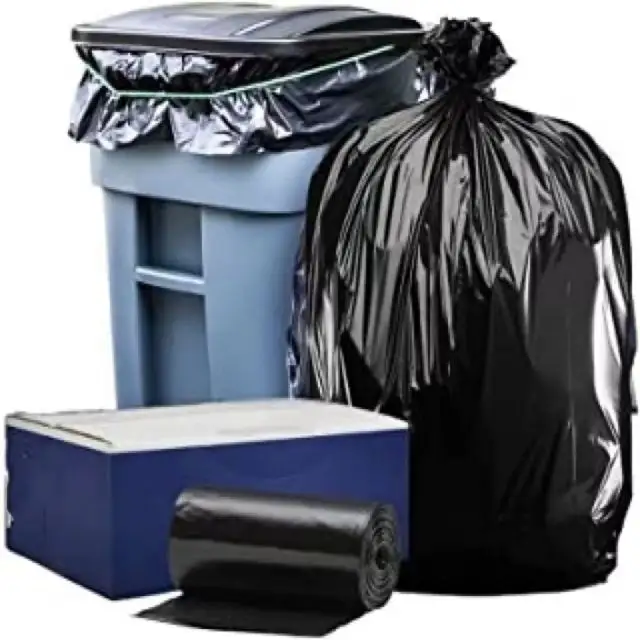
ከፍተኛ ኃይል ያላቸው የድምፕስተር ቤጆች የክብደት ችሎታ ለቤት ባለቤቶች በቀላሉ የሚሰራ የአስተዳደር ስራ እና ለኮንትራክተሮች የግንባታ ክፉር ነገሮችን ለመ Quarry መቆጣጠር አስፈላጊ ነው። በፍላጎት በላይ የሚሞላ ቤጅ በራሱ የሚነካ ነው እና በማስነሳት እና በማስቀመጥ ጊዜ የደህንነት አደጋ ሊፈጥር ይችላል። በዚህ አገልግሎት ዘርፍ ዓመታት የተሰራ እንደ ሲዩንሆ እኛ እነዚህን ምርቶች በብዙ የእውነተኛ ሁኔታዎች ላይ ሰርተናል። በአጠቃላይ የተለመደ የከፍተኛ ኃይል ያላቸው የድምፕስተር ቤጆች በ 1,500 እስከ 3,000 ፓውንድ (680 እስከ 1,360 ኪ.ግ.) ድረስ ሊያስተካክሉ ይችላሉ፣ ነገር ግን ይህ ቁጥር የተለመደ አይደለም። የእውነተኛው ችሎታ በተለያዩ አስፈላጊ ምክንያቶች ላይ የተመሰረተ ነው፣ ይህም የחומרים የውስጣዊ አቀማመጥ፣ የቁስል ጥልቀት፣ የዲዛይን እና የሚዋሸው የበረዶ ነገር ዓይነት ያካትታል። በዚህ መመሪያ ውስጥ እነዚህን አካላት በዝርዝር እንነካለን እና ከራሳችን ፋብሪካ ምርት መስመሮች እና ከደንበኞቻችን የተገኙ አስተያየቶች በመጠቀም የተስተካከለ ወሳን ለማድረግ እንረዳዎታለን።
የחומרים እና የምርት ሂደት፡ የጠንካራነት መሰረት
የቦርሳው ክብደት የሚያስተዳድረው ዋነኛ ምክንያት ከምንባቡ የተሰራው ነው። በጣም ጥልቅ የሆኑ የማሽን ቦርሳዎች በአብዛኛው ከተጠለፈ ፖሊፕሮፒሊን የተሰሩ ናቸው፣ ይህ የተለየ የተገጣጠመ ጠንካራ ኃይል ያለው የግንድ ነው። በሱንሆ የእኛ የከፍተኛ ጥራት ያላቸው ምርቶች የተሰሩ በአዲስ ፖሊፕሮፒሊን ናቸው፣ ምክንያቱም የተሻሻለ የማስፋፋት እና የማስቆረጥ ተቃውሞ ያቀርባል በተደጋጋሚ የተጠቀመውን የግንድ ይልቅ። የግንድ ሂደቱ የተገናኘ ስእል ይፈጥራል እና የቦርሳውን ክብደት በሙሉ በእኩል ይሰራል። ለምሳሌ፣ በከፍተኛ ዲኒየር (የየተለየ የግንዶቹ ቀ thickness) እና በበለጠ ቅtight ግንድ የተሰራ ቦርሳ በተፈጥሯዊ ሁኔታ በከፍተኛ ክብደት ይቋቋማል። አንድ የእኛ የኮንትራክተር አገልግሎት የሰጠው የ3,000 ፊንታ የተገለጸውን ቦርሳ ለመንገድ የተሰራ ኮንክሪት ለመወገዝ ጥቅም ላይ አዋለቀ፣ እና ቦርሳዎቹ በተለይ በተሳካ መልኩ ተግባራቸውን አከናውኗል፣ ይህም የአስተዳደር እንደ የተለየ ጥራት በተግባር የሚታይ የቋሚነት አስተዋፅኦ እንደ ሆነ ያሳያል። ይህ የእኛ የትክክለኛ የግንድ ምርት ምርጫ እና የተወሰነ ክብደት ጥребования ለማሟላት የሚያስችል የትክክለኛ የግንድ ምርት ምርጫ ነው።
ውፍረት (ሚሊ) እና የመያዝ አቅሙ
የጨርቅ ጥንካሬን ለመጠበቅ የሚረዳው የጨርቅ ጥንካሬ ለከባድ ግዴታ የቆሻሻ መጣያ ከረጢቶች ፣ በአጠቃላይ ከ 1,5 ሚሊ እስከ 3 ሚሊ ወይም ከዚያ በላይ ለሆኑ የሽፋን ቁሳቁሶች ወፍራምነት ያያሉ። ይሁን እንጂ ለጨርቅ ከረጢቶች "የጨርቅ ክብደት" (በካሬ ሜትር አንድ ኦንሲ) የሚለው ጽንሰ ሐሳብ ይበልጥ ተገቢ ነው። የጨርቃ ጨርቅ ክብደት ከበዛ ጠንካራ ሻንጣ ይኖራል ማለት ነው። በሱንሆ በተደረገው ቴክኒካዊ ግምገማ መሠረት ለቀላል የግንባታ ፍርስራሽ የተሰራ ሻንጣ በአንድ ካሬ ሜትር ከ60 እስከ 80 ግራም የጨርቅ ክብደት ሊኖረው ይችላል፣ እንደ እርጥብ አፈር ወይም የብረት ቆሻሻ ያሉ ለጠባብ ቁሳቁሶች የታሰቡ ሻንጣዎች ግን በአንድ ካ ደንበኞቻችንን ሁልጊዜ በምርቱ የተገለጸውን "ደህንነቱ የተጠበቀ የሥራ ጫና" (SWL) እንዲፈትሹ እንመክራለን፣ ይህም በንቃት ምርመራዎች የተገኘ ሲሆን በዕይታ ግምቶች ብቻ ከመደገፍ ይልቅ ነው።
መጠኑ አስፈላጊ ነው፦ መጠኑ ከክብደቱ ጋር እንዴት ይዛመዳል?
የቦርሳው የፊზካል መጠን ሌላ አስፈላጊ ክፍል ነው። የተለመደ ትክክለኛ ያልሆነ አስተያየት የሚለው ነገር የበለጠ ትልቅ ቦርሳ በራሱ ብቻ በከፍተኛ ክብደት ማከማቸት ይችላል። በእውነቱ፣ የ3-ኩቢክ ያርድ ቦርሳ ከባዶ ካርቶን ሳጥን ያሉ ቀላል ክፋፍ ቢሞላ በከፍተኛው ክብደት ገደብ በጣም ባታች ይሆናል፣ ነገር ግን ተመሳሳይ ቦርሳ በአረምባ ቢሞላ በቀላሉ 4,000 ሊብራ ያልፍል ሲሆን ይህ በጣም በላይ የሚል አቅም ነው። ይህ ቦታ የእርስዎ ክፋፍ የግዙ ጥንካሬን ማወቅ አስፈላጊ ያደርገዋል። በሱንሆ፣ የድምፕስተር ቦርሳዎቻችን የተለየ የስፔሲፊኬሽን ሻርት እንሰጣለን፣ ይህ ሻርት መጠንን ከከፍተኛ የተመከረ ክብደት ጋር ይዛመዳል። ለምሳሌ፣ የደረጃው 2-ኩቢክ ያርድ ቦርሳ ለተለያዩ የቤት ክፋፍ በጣም ተስማሚ ነው፣ ነገር ግን ለአረምባ ወይም ለአስፋልት ሺንግልስ ያሉ ከባድ እቃዎች የተጠበቀ 1-ኩቢክ ያርድ ቦርሳዎቻችንን እንመከራለን። ይህ የተለየ አቀራረብ ደህንነትን ዋስትና ያደርጋል እና በማነሻ ነጥብ ቦርሳው ሲሳድድ የሚከሰቱ የተስፋት ምክንያት የሚሆኑ የተስፋት ምክንያትን ያስወግዳል።
የተጨመሩ ግንድ እና የማነሻ ረዥሞች የሚጫወቱ አስፈላጊ ሚና
እ даже በጣም ጠንካራ የሆነው እቃ በተለምዶ የሚያስተዳድረው በጣም ዝቅተኛ ነጥብ ላይ ነው፣ ይህም በአጠቃላይ የመገናኛ መስመሮቹ እና የማስነሳት ማንጎሎቹ ናቸው። በከፍተኛ ኃይል ያላቸው የድምፅ ቤት ቦርሳዎች ውስጥ፣ የመገናኛ ስእል የኢንጂነሪንግ መውሰድ ነው። በሱንሆ ውስጥ፣ ከፍተኛ አቅም ያላቸው ምድሎቻችንን በሁለት ወይም እስከ አራት ጊዜ የተገናኘ መገናኛ እንጠቀማለን። ይህ በቀላሉ የማያየው የበለጠ አስተዋጽኦ አይደለም፤ ይህ በክሬን ወይም በኤክስካቬተር በኩል በቦርሳው ላይ የሚፈጸም ትልቅ ግፊት ለመስራት ነው። አንድ ጊዜ በመሬት ላይ የሚሰራ የገበያ አገልግሎት የሆነ የእኛ ደንበኛ በጨለማ የተሞላ የሶድ በቦርሳው ውስጥ በተደጋጋሚ አስቀድሞ ነበር። በአጠቃላይ የሚገኙ ቦርሳዎች ላይ የተለመዱ መገናኛዎች ይከፈታሉ፣ ነገር ግን ከተለመዱ ቦርሳዎች ወደ የእኛ ቦርሳዎች ወደ የተጠበቀ የክሮስ-ስቲች መገናኛ የተጠቀመ በማንጎሎቹ እና በታችኛው መገናኛ በኩል በመቀየር በቦርሳው ላይ የሚከሰቱ ችግሮች በአካባቢው ላይ አልተከሰቱም። ይህ የእውነተኛ ዓለም ልምድ የሚያሳየው የትላልቅ ክብደት አቅም ሲገመት በቦርሳው ᷂ዲ ብቻ ሳይሆን በመገንባቱ ዝርዝር ላይ በተደጋጋሚ ማየት አለበት።
ለደህንነቱ የተሻለ ማስገባት እና የመውሰድ የሙያ ምክሮች
የከፍተኛ ችሎታ ያላቸው የድምፅ ማቀነባበሪያ ግንኙነት ገመዶችን በሙሉ የሚጠቀሙ እና የደህንነት ደረጃ እንዲጨምር ለማድረግ፣ የተሻለው የስራ መንገድ መከተል አስፈላጊ ነው። በመጀመሪያ፣ ሁልጊዜ ክብደቱን በእኩል ማሰራጨት ያስፈልጋል። ሁሉንም ከፍተኛ ክብደት ያላቸው ነገሮች በአንድ side ላይ ማሰባሰብ ገመዱ ሊታጠቅ ወይም በአንድ ግንኙነት ላይ በጣም ትልቅ ጭነት ማድረግ ይችላል። በሁለተኛ ደረጃ፣ በጥንካሬ ያሉ ነገሮች ላይ ትኩረት ይስጡ። እ даже በጣም ጠንካራ ገመድ በሚያሳየው ብረት ወይም በጣም ቀጠር የሆነ የብረት ቅርፃት በቀላሉ ሊቆረጠ ይችላል። በጣም ጠንካራ ነገሮችን ለማከማቸት ሁለት ገመዶች መጠቀም ወይም የጤና ገመድ መጠቀም ይመከራል። በሶስተኛ ደረጃ፣ የ"ሙሉ ማሞላት" መስመሩን በፍጻሜ አትቁጠሩ። ገመዱ በላቁ ሲሞላ በደህንነት ሊነሣ አይችልም፣ ምክንያቱም የማነሳ ገመዶቹ በትክክል አይዘጉም። ሱንሆ የደንበኞች አገልግሎት ቡድን በተደጋጋሚ የማነሳ አልተቻለም የሚሉ ገመዶች ስለ ችግር የሚደረጉ ጥያቄዎችን ይቀበላል፣ እና በ90% የእነዚህ ጉዳዮች ምክንያት የተሳሳተ ማሞላት ነው፣ የምርት አድርሻ አይደለም። በዚህ ምክር መከተል እንደ ዲዛይን የተሰሩ የድምፅ ማቀነባበሪያ ገመዶች በትክክል ይሰራሉ።
ለምን የተዋጋ የምርት ምስክር መምረጥ የስራ አፈፃፀም ይረዳል
በመጨረሻም የክብደት አቅም የይገባኛል ጥያቄ አስተማማኝነት ወደ አምራቹ ይወርዳል ። በሱንሆ ውስጥ በግልፅነት እንኮራለን። በሥራ ቦታ ላይ የሚከሰት ውድቀት ደንበኞቻችንን ጊዜና ገንዘብ ሊያስከፍላቸው እንደሚችል ስለምናውቅ የቦርሳችንን አቅም ከልክ አንልም። የምርት ሂደታችን ከቴክኒካዊ ግምገማ እስከ ናሙና ማዘጋጀት እና የጅምላ ምርት ድረስ እያንዳንዱ ስብስብ ቃል የተገባውን ዝርዝር ማሟላቱን ለማረጋገጥ የተነደፈ ነው። ዓለም አቀፍ ገበያዎችን በተለያዩ መስፈርቶች እናገለግላለን፣ እናም በዚህ መስክ ያለን ስልጣን የሚገነባው ጫና በሚደርስባቸው ምርቶች ላይ ነው። እንደ ሱንሆ ካሉ የኦኤምኤም/ኦዲኤም አምራች ሻንጣዎች ውስጥ አንዱን ስትመርጡ የፕላስቲክ ቁራጭ ብቻ እየገዙ አይደለም፤ አፈፃፀሙን በሚያረጋግጥ የምህንድስና እና የጥራት ቁጥጥር ላይ ኢንቨስት እያደረጉ ነው። ብጁ መጠን ወይም የተወሰነ ክብደት ቢፈልጉ፣ የእኛ ሙያዊ ችሎታ በጣም አስቸጋሪ ለሆኑ ስራዎች አስተማማኝ መፍትሄ እንዲያገኙ ያረጋግጥላቸዋል።