
 EN
EN
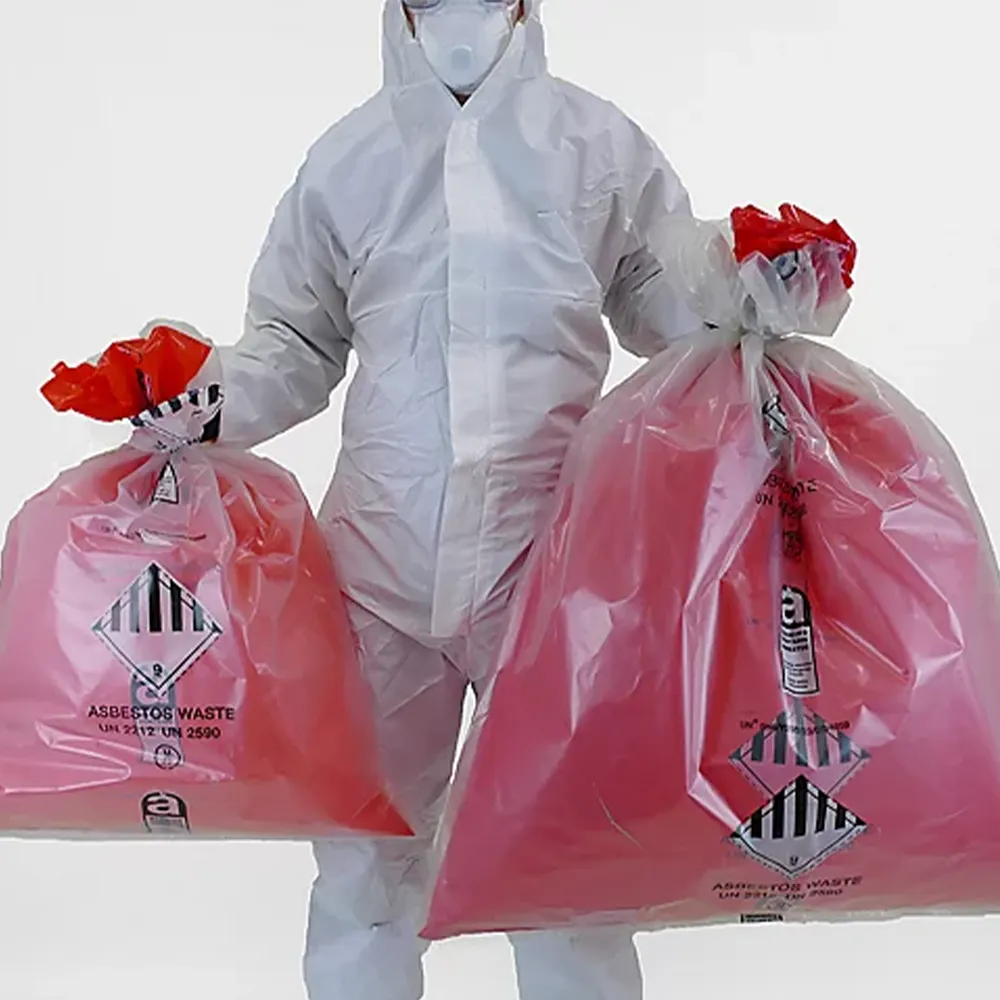
In my jare van raadgewing aan industriële verpakking- en afvalbestuurondernemings het ek 'n herhalende fout gesien: om alle afvalvoeringe as gelyk te behandel. Op 'n hoë-risiko werf is 'n borsmislukking nie net 'n ongerief nie—dit is 'n veiligheidsrisiko en 'n las op arbeidskoste. Werklike swaarlas-afvalborse is ontwerp as beheerstelsels wat spesifiek vir die "drie pilare" van industriële afval ontwikkel is: skerpe rommel, swaar lasse en vloeistofversadiging.
Gebaseer op die tegniese standaarde wat ons by Sunho handhaaf, is hierdie sakke nie net dikker nie; hulle verskil chemies en struktureel van standaard voeringe. Deur hoë gehalte Hoogdigtheidpolietileen (HDPE) en Laedigtheidpolietileen (LDPE) te gebruik, skep ons 'n produk wat treksterkte met steekweerstand balanseer, wat verseker dat die sak onbeskadig bly, of u nou skerp droë muurplaat of nat organiese afval vervoer.
Gevorderde Materiale en Geblaasfilmtegnologie
Die «kundigheid» in vervaardiging kom neer op die uitdrukproses. Om die betroubaarheid wat in ons produkreeks gesien word, te bereik, maak ons gebruik van gevorderde geblaasfilm-uitdruktegnologie. Hierdie proses verseker 'n eenvormige molekulêre struktuur oor die hele film, wat «swak plekke» voorkom wat tot katastrofiese skeurings lei.
In praktiese toepassings is die keuse tussen materiale 'n strategiese een:
•LDPE (Laagdigtheid-polietileen): Volgens my ervaring is LDPE die goue standaard vir kontrakteursakke. Sy hoë veerkragtigheid en 'stretch'-eienskap laat dit toe om rondom onreëlmatige, groot items soos gebreekte hout of metaalraamwerk te vou sonder dat dit oopmaak.
•HDPE (Hoogdigtheid-polietileen): Dit is die ideale keuse vir swaar, nie-skerp afval. Sy uitstekende damp- en vogbarriereienskappe maak dit uitstekend vir swaar, nat afval waar beheer die prioriteit is.
Die kritieke kruising van dikte en lasvermoë
Een van die mees algemene vrae wat ek van inkoopspanne ontvang, handel oor 'mil'-dikte. Terwyl 'n gewone kombuis sak dalk 0,9 mil dik is, wissel professionele kontrakteursakke gewoonlik tussen 2,0 en 3,0 mil. Egter is dikte nie die enigste faktor nie; dit is die lasdra-vermoë wat op die werf van belang is.
In werklikheidstoetse—veral in kommersiële kombuise en swaar konstruksie—korreler 'n toename in dikte direk met 'n vermindering in "dart drop"-mislukkings. Wanneer 'n werker 'n swaar sak in 'n afvalhouer gooi, is die impak-krag geweldig. Deur in hoërgraad-sakke te belê, koop u effektief versekering teen die arbeidskoste wat verbonde is aan die skoonmaak van 'n barsak op die bodem van 'n afvalafvoer of vrakbed.
Ingenieurslekkasie-weerstand en versegelingsintegriteit
'n Sak is net so sterk soos sy swakste punt, wat byna altyd die versegeling is. Swakgehalte-vulgoedhouers het dikwels eenvoudige plat verseglings wat onder die hidrouliese druk van nat afval misluk. Deur my ontleding van Sunho se gespesialiseerde verseglingsmetodes is dit duidelik dat versterkte onderkantverseglings nie onderhandelbaar is vir industriële higiëne nie.
In omgewings soos die gasheerskapbedryf of munisipale afvalinsameling is lekvryheid 'n regulerende vereiste. 'n Lekkende sak kan lei tot kruisbesmetting en gly-en-val-gevare. Deur presisie-hitteversegeling toe te pas, verseker ons dat vloeistowwe binne die sak bly, wat besighede help om aan die sanitêre standaarde van omgewings- en gesondheidsowerhede te voldoen.
Bedryfspeil-spesifieke toepassings en veelsydigheid
Die veelsydigheid van ons kontrakteursakke laat dit toe om as 'n universele oplossing oor verskeie sektore heen te dien. Volgens my professionele waarnemings is dit noodsaaklik om die sak aan die omgewing aan te pas:
•Konstruksie & Demolisie: Vereis maksimum steekbestandheid vir glas, spykers en beton.
•Gasheerskap & Voedseldiens: Fokus op lekvrye versegelings vir swaar organiese afval.
•Gesondheidsorg & Fasiliteite: Vereis betroubare bevatting vir hoëvolume sanitêre weggooi.
Deur aanpasbare groottes en diktes aan te bied, verseker ons dat of die gebruiker 'n huiseienaar is wat 'n DIY-renovasie doen of 'n voorman op 'n hooggebouprojek, hulle 'n gereedskap het wat by hul spesifieke afvalprofiel pas.
Balansering van Duurzaamheid met Volhoubaarheid
Die moderne afvalbestuurlandskap skuif na omgewingsverantwoordelikheid. As 'n kenner in hierdie veld, erken ek die belangrikheid van 'n balans tussen die "swaarlas"-vereiste en 'n verminderde ekologiese voetspoor. Ons ondersoek tans aktief die integrasie van herwinbare materiale en biologies afbreekbare byvoegings sonder om die strukturele integriteit van die sakke te kompromitteer.
Dit stem ooreen met globale nywerheidstendense: die vermindering van plastiekvolume deur "downgauging" (maak dunner sakke sterker deur beter hars) en die verbetering van die herwinbaarheid van die finale produk. Die keuse van 'n hoë gehalte-sak ondersteun eintlik volhoubaarheid deur die aantal sakke wat weens skeuring en mislukking verspil word, te verminder.
Hoekom gehalte die uiteindelike kostebespaarder is
Die duurste afvalsak is die een wat breek. In my werk met inkopingsafdelings beklemtoon ek altyd "Totale Besitkoste" bo die aanvanklike prys per rol. 'n Goedkoop, lae-kwaliteit sak vereis dikwels "dubbel-sak", wat jou koste en jou plastiekafval onmiddellik verdubbel.
Hoë-kwaliteit kontrakteursakke bied 'n vlak van betroubaarheid wat bedryfsprosesse vereenvoudig en arbeidskostes verminder. Wanneer jou span nie moet stop om 'n lekkasie op te ruim nie, bly jou projek op skedule. Betroubaarheid is die stil vennoot in winsgewendheid, en die keuse van die regte vervaardiger is die eerste stap om hierdie doeltreffendheid te bereik.